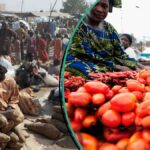
















Lagos, Nigeria — December 2025: Nigeria’s staple food prices have shown signs of easing after a stronger farming season, but the relief has not translated into bustling markets. Analysts say weak consumer purchasing power and lingering inflationary pressures are keeping demand subdued.
According to recent market surveys, prices of grains such as maize, millet, and sorghum fell by 5–10% compared to October 2025, while tubers like yam and cassava also recorded modest declines. Improved rainfall and government-backed fertilizer distribution contributed to better yields this year.
Despite these gains, many households remain cautious. With headline inflation still above 20%, and wages failing to keep pace, consumers are buying smaller quantities or switching to cheaper substitutes. Traders in Lagos and Abuja report that while prices are lower, sales volumes remain flat.
Expert Commentary
Dr. Adeola Akinyemi, an agricultural economist, explained:
“The easing of food prices is welcome, but without stronger purchasing power, households cannot take full advantage. Structural issues like insecurity in farming regions and high transport costs also limit the benefits.”
Implications
- Short-term: Households may see slight relief in food budgets during the festive season.
- Medium-term: Farmers could struggle with profitability if demand remains weak.
- Long-term: Nigeria must address income growth and supply chain inefficiencies to achieve lasting food security.