




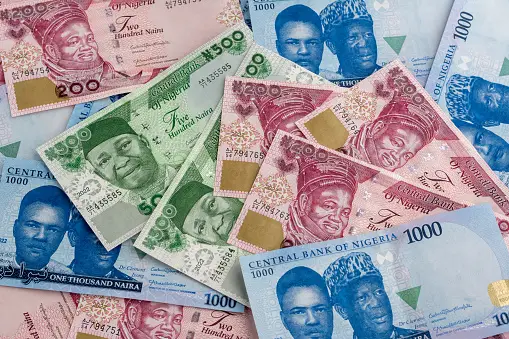





Liquidity surge signals systemic cash glut despite recent monetary tightening by the Central Bank of Nigeria.
The deposits were made through the Standing Deposit Facility (SDF), a monetary tool that allows banks to park idle funds with the apex bank and earn interest. According to CBN data covering December 22–24, the spike came just two days after a ₦1.7 trillion Open Market Operation (OMO) was conducted to mop up liquidity
Breakdown of the Surge
- December 23: Banks deposited ₦2.47 trillion
- December 24: Deposits jumped to ₦3.67 trillion
- 24-hour increase: ₦1.2 trillion
This sharp rise in idle cash placements suggests that monetary tightening efforts are being outpaced by systemic liquidity, possibly due to government disbursements, low lending appetite, or seasonal spending slowdowns.
Expert Commentary
Financial analysts warn that such excess liquidity, if left unchecked, could fuel inflation or distort interest rate dynamics. “The CBN’s OMO intervention was aggressive, yet the banks still had more cash than they could deploy productively,” said Kelechi Mgboji, a banking sector analyst at Nairametrics
Some experts believe the surge reflects cautious lending behavior by banks amid economic uncertainty and regulatory scrutiny. Others point to seasonal factors, such as year-end balance sheet adjustments and reduced corporate borrowing during the holidays.
Implications for the Economy
- Short-term: Interest rates may remain volatile as the CBN balances liquidity control with growth support.
- Medium-term: Signals need for deeper reforms in credit access and interbank market efficiency.
- Long-term: Reinforces calls for diversified lending channels to absorb excess liquidity and stimulate productive investment.
The CBN has not issued a formal statement on the Christmas Eve spike, but insiders suggest further OMO rounds may be deployed in early January to stabilize the system.