









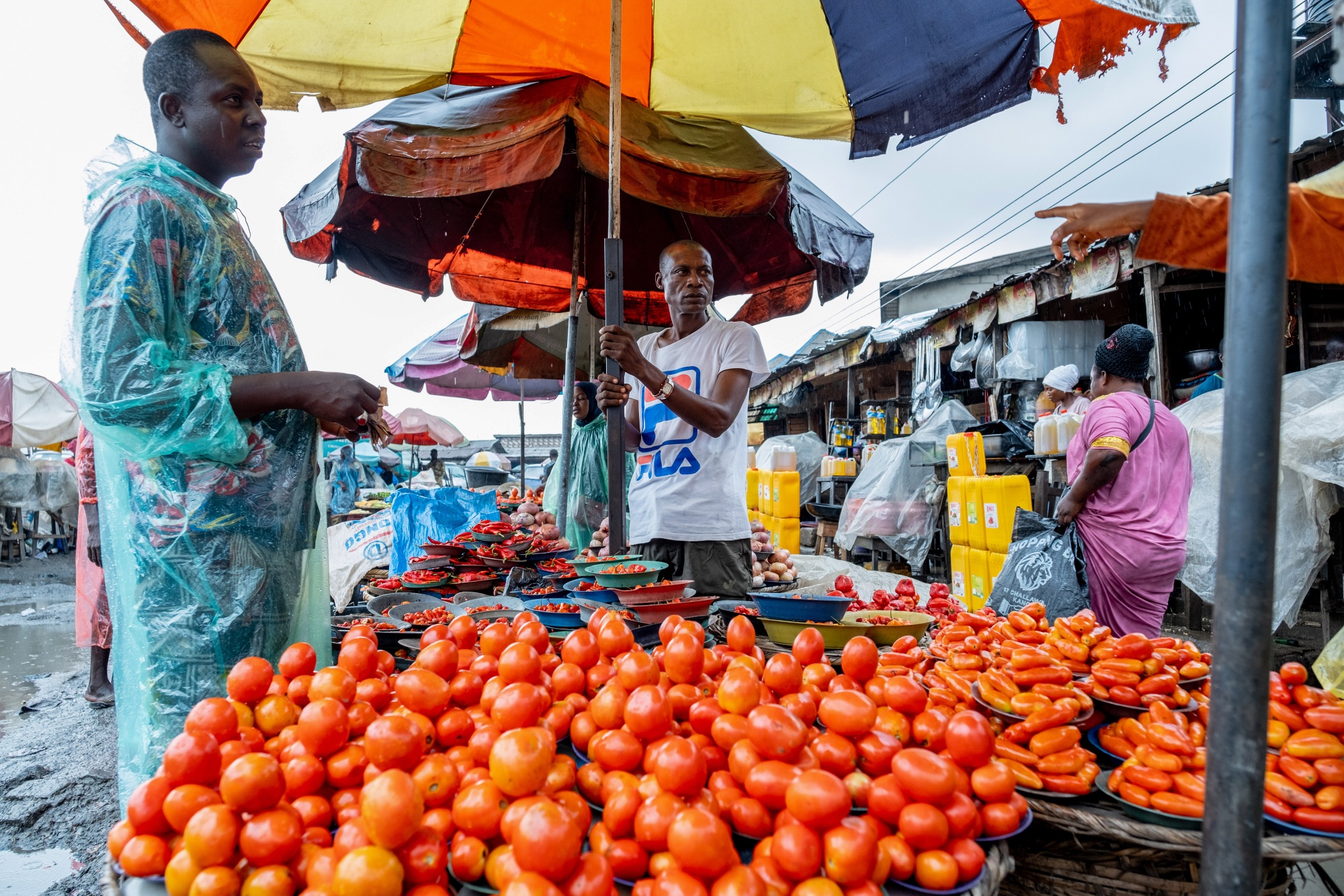
Abuja, Nigeria — December 2025: Nigeria’s food inflation slowed to 11.08% year-on-year in November 2025, down from 13.12% in October and significantly lower than 39.93% in November 2024, according to the National Bureau of Statistics (NBS).
The decline reflects better harvests, improved distribution networks, and government-backed fertilizer programs, which helped stabilize supply. Prices of grains, tubers, and vegetables recorded the sharpest declines, while protein-rich foods such as meat and fish remained relatively expensive.
Despite the easing, analysts caution that households are still struggling with high transport costs, weak purchasing power, and broader inflationary pressures. Many families continue to adjust consumption patterns, buying smaller quantities or switching to cheaper substitutes.
Expert Commentary
Dr. Musa Ibrahim, an economist at Lagos Business School, explained:
“The slowdown in food inflation is encouraging, but it doesn’t mean food is affordable. Real incomes remain stagnant, and structural issues in logistics and insecurity still weigh heavily on the sector.”
Implications
- Short-term: Consumers may see modest relief in food budgets during the festive season.
- Medium-term: Farmers could benefit from stronger demand if prices remain stable.
- Long-term: Sustained investment in agro-processing and rural infrastructure is needed to lock in gains.