







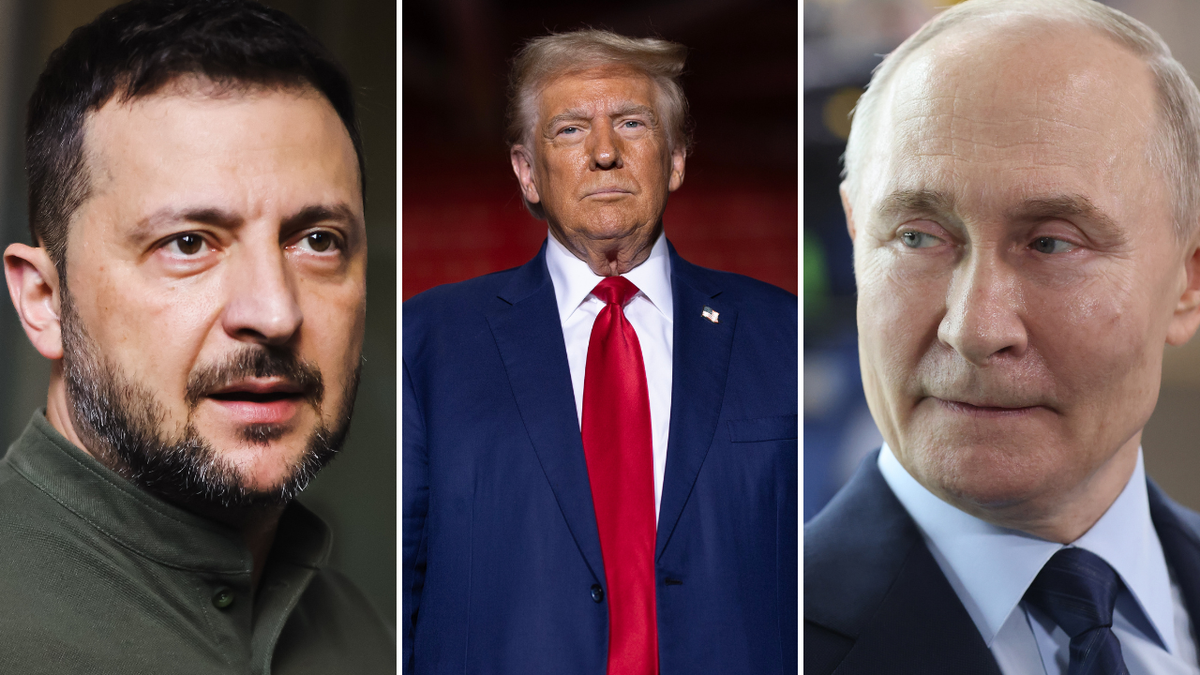
KYIV / PALM BEACH — The conflict in Eastern Europe has entered a transformative phase this week. While the Kremlin asserts a major battlefield victory in the Donetsk region, high-level diplomacy in Florida suggests a potential, albeit fragile, path toward a ceasefire in early 2026.
The Battle for Pokrovsk: Conflicting Reports
As of December 30, 2025, the status of Pokrovsk, a vital logistics hub in eastern Ukraine, remains the subject of intense “information warfare.”
- The Russian Claim: The Russian Ministry of Defence released footage purportedly showing soldiers raising the national flag over central Pokrovsk, with Chief of Staff Valery Gerasimov reporting the “liberation” of the city to President Putin.
- The Ukrainian Denial: Ukraine’s Commander-in-Chief Oleksandr Syrskyi countered these claims, stating that while Russian forces control roughly half of the city, Ukrainian drone brigades have effectively halted their free movement. “There are calls saying ‘everything is lost,’ but we are holding the northern districts,” Syrskyi noted in a televised interview.
- The Stakes: Losing Pokrovsk would sever key rail and supply lines for Ukrainian forces across the Donbas, potentially forcing a broader retreat into the open fields of western Donetsk.
The 20-Point Peace Plan: “95% Agreed”
Following a two-hour meeting with President Donald Trump at Mar-a-Lago on December 28, President Zelenskyy revealed the most detailed peace framework to date. The plan, thrashed out over weeks of negotiations, aims to replace the 1994 Budapest Memorandum with “real power.”
Key Pillars of the Framework:
- Security Guarantees: The U.S., NATO, and Europe would provide “Article 5-like” guarantees. If Russia re-invades, a full military response and reinstated sanctions are triggered.
- Military Strength: Ukraine is allowed to maintain a peacetime army of 800,000 troops, rejecting initial U.S. proposals to limit the force to 600,000.
- Economic Recovery: A global development package, involving firms like BlackRock, seeks to raise $800 billion for reconstruction and natural resource extraction (lithium and gas).
- EU Accession: The plan includes a “defined timeframe” for Ukraine to join the European Union.
The Remaining Deadlocks
Despite the optimism, two major “thorny issues” prevent a final signing:
- Territory: Russia demands full Ukrainian withdrawal from the Donetsk region. The U.S. has proposed a “Free Economic Zone” in Donbas as a compromise, a move Zelenskyy says must be decided by a national referendum.
- Zaporizhzhia Nuclear Plant: Washington has proposed a joint venture between the U.S., Ukraine, and Russia to operate the plant, while Kyiv insists on a U.S.-Ukraine partnership only.
Sabotage Accusations
The diplomatic momentum is being shadowed by mutual accusations. Zelenskyy warned on Monday that Russia is attempting to “sabotage” the talks by fabricating stories of a Ukrainian drone attack on Putin’s residence to justify renewed strikes on Kyiv’s government buildings.