





LAGOS, Nigeria — In a major boost to the stability of Nigeria’s financial sector, First Bank of Nigeria Limited has officially completed its N500 billion capital raise, satisfying the Central Bank of Nigeria’s (CBN) revised minimum requirement for banks with international authorization.
The announcement was made today, January 2, 2026, by the Chairman of First HoldCo Plc, Femi Otedola. In a statement commending the “orthodox and disciplined” monetary policies of CBN Governor Olayemi Cardoso, Otedola revealed that the bank’s shareholders have successfully fortified the institution’s balance sheet, positioning it to support large-ticket transactions in the real economy.
The Drive for N1 Trillion
Despite reaching the current regulatory finish line, Otedola issued a bold challenge to the apex bank, suggesting that N500 billion is no longer sufficient for the scale of Nigeria’s economic ambitions.
“A modern economy aiming for the $1 trillion mark cannot rely on weakly capitalized banks,” Otedola stated. “It is time to raise the minimum capital requirement for international banking licenses to at least N1 trillion. Stronger buffers will ensure banks are no longer run as ‘personal estates’ but as resilient institutions.”
Industry Impact and the March Deadline
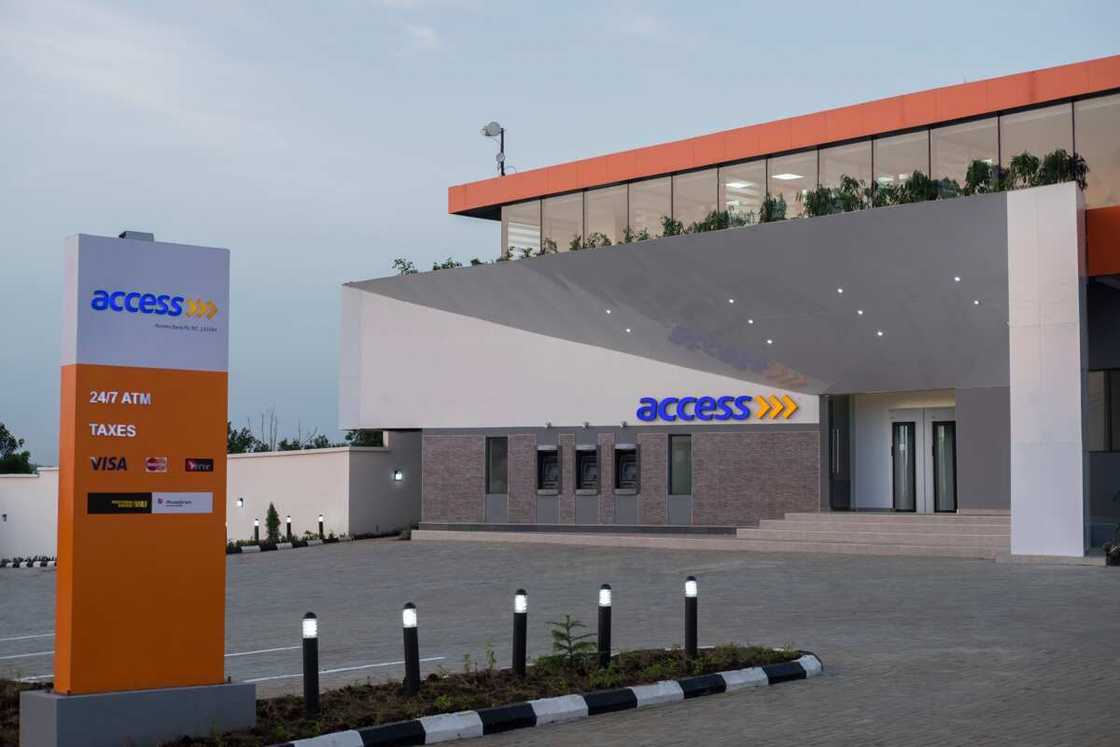
FirstBank joins an elite group of “Tier-1” lenders, including Access Holdings and Zenith Bank, who have successfully crossed the threshold ahead of the March 31, 2026, deadline.
Current Recapitalization Status at a Glance:
- Fully Compliant: 16 banks (including FirstBank, Access, and Zenith).
- In Progress: 11 banks currently tapping the capital market via rights issues and public offers.
- Pending: Small regional and national banks currently exploring merger and acquisition (M&A) options to avoid license downgrades.
Governor Cardoso has previously noted that the recapitalization exercise is not just about numbers but about creating “fit-for-purpose” banks capable of driving the nation’s 2030 development goals. With external reserves now at a seven-year high of $46 billion, the successful capitalization of the banking sector is seen as the final pillar in stabilizing the Naira.