








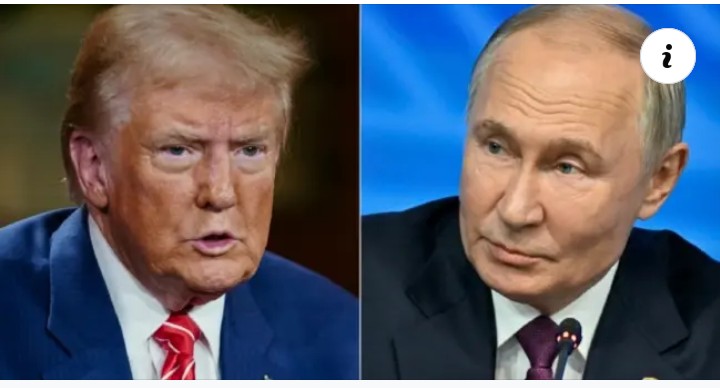
The United States has seized a Russian-flagged oil tanker in the Atlantic Ocean, a dramatic move that risks escalating tensions between President Donald Trump and Russian leader Vladimir Putin amid an already fragile global security climate.
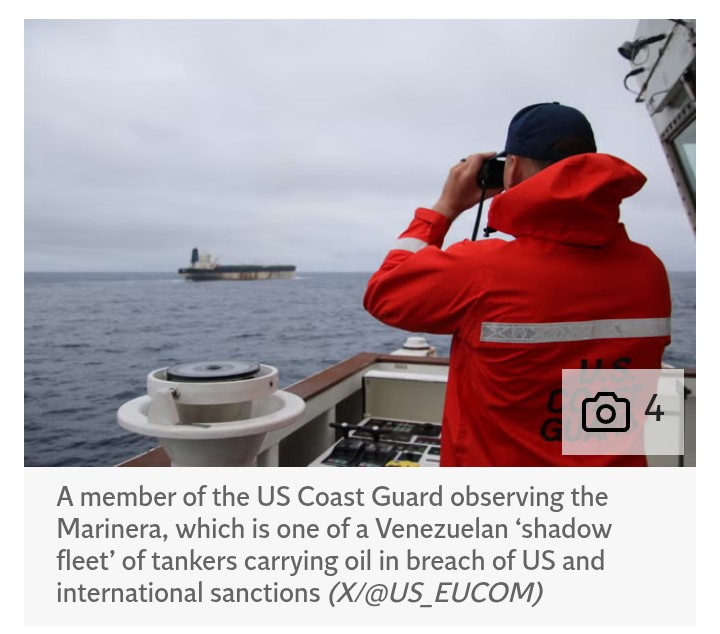
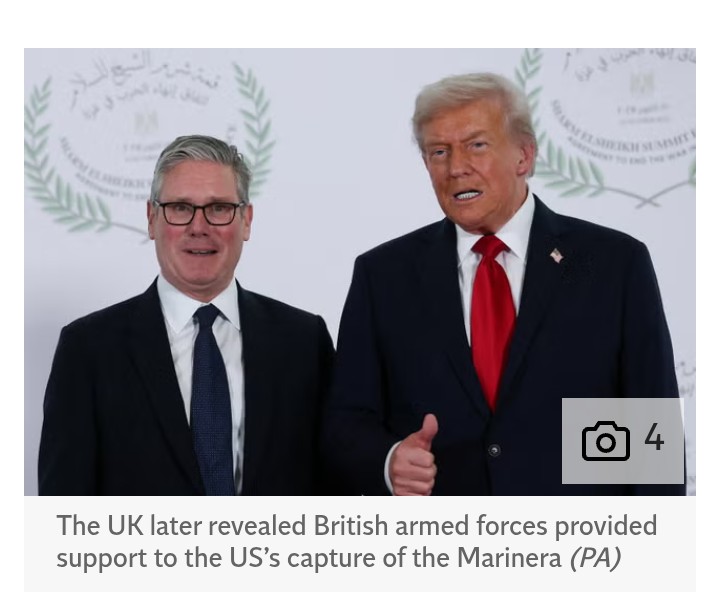
The vessel, Marinera, was intercepted by US forces with logistical and surveillance support from the British military, according to the UK Ministry of Defence. British involvement included RAF surveillance aircraft and the Royal Fleet Auxiliary ship RFA Tideforce. UK officials said the operation complied fully with international law.
The seizure comes against a backdrop of heightened geopolitical strain, including growing friction between Washington and European allies over President Trump’s repeated threats to take control of Greenland, a territory belonging to Nato member Denmark. The incident also follows the recent US military operation in Venezuela that led to the arrest of former president Nicolas Maduro, who has since been transported to New York to face charges including drug trafficking, weapons possession and narco-terrorism.
The Marinera, formerly known as Bella 1, is believed to have been heading toward a port or military facility in Scotland when it was intercepted. Its capture may become a new flashpoint in relations between Russia and the West, particularly after Moscow suggested that the operation violated international maritime law.
Russia’s transport ministry said the tanker had been granted temporary permission to sail under the Russian flag on Christmas Eve, adding that the UN Convention on the Law of the Sea prohibits the use of force against vessels lawfully registered under another country’s jurisdiction.
President Trump appeared to criticise Nato allies following the operation, claiming on social media that while the US consistently supports the alliance, that support is not always reciprocated. His remarks came despite confirmed British participation in the interception.
UK Defence Secretary John Healey described the tanker as part of a “Russian-Iranian axis of sanctions evasion,” accusing such operations of fuelling instability and conflict from the Middle East to Ukraine. He said Britain would continue to intensify efforts against so-called “shadow fleet” activity to safeguard national and global security.
US officials said the Marinera had been tracked for weeks after evading a naval blockade imposed on Venezuela in December. The ship, which was empty at the time of seizure, reportedly hastily changed its name and painted a Russian flag on its hull while heading toward Europe in an apparent attempt to secure Moscow’s protection.
US European Command confirmed the tanker was seized for violating US sanctions. Authorities also disclosed that another Venezuela-linked tanker, Sophia, was captured during a pre-dawn operation in the Caribbean. Both vessels were said to have either recently docked in Venezuela or were en route there.
Control of the Marinera has since been transferred to law enforcement agencies, and US officials indicated the ship’s crew may face prosecution.
Ahead of the seizure, Kremlin adviser Andrei Fedorov warned that any action against a Russian-flagged vessel could be viewed as an attack on Russia and potentially trigger a serious diplomatic crisis.
The tanker seizures add to a series of US actions against Venezuelan oil shipments in recent months. Since September, dozens of Venezuelan vessels have reportedly been targeted under US operations justified by allegations of sanctions violations and drug trafficking.
Meanwhile, pressure is mounting on UK Prime Minister Sir Keir Starmer to take a firmer stance against President Trump’s threats toward Greenland. While some former British defence leaders have accused Washington of attempting to exploit the island’s mineral wealth, European leaders, including Sir Keir, have publicly reaffirmed their commitment to defending Greenland’s territorial integrity.