





The Northern States Christian Elders Forum (NOSCEF) has raised concerns over what it described as troubling political developments that could jeopardise the credibility of Nigeria’s 2027 general elections.
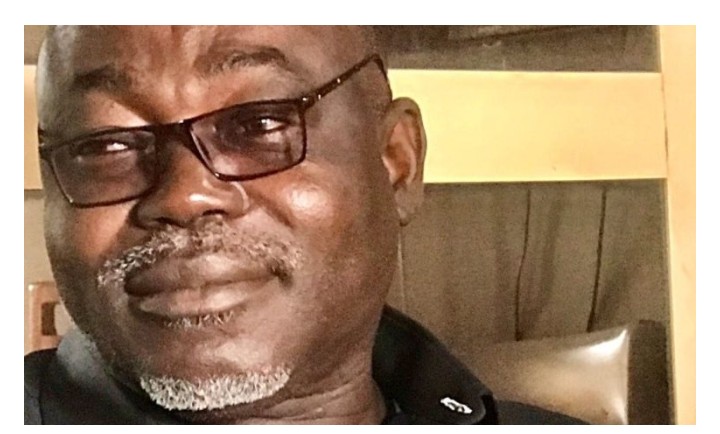
Speaking ahead of the polls, the forum’s chairman, Elder Sunday Oibe, warned that emerging trends point to possible threats to free, fair and transparent elections, particularly the growing dominance of a single political party.
In an interview in Kaduna, Oibe cautioned against what he described as a gradual drift toward a one-party system, stressing that such a development would undermine democratic values.
“If the current political direction continues, the signs do not indicate that the 2027 elections will be free, fair or credible,” he said. “Democracy cannot thrive where everyone is forced into one political party. Diversity and a strong opposition are essential to democratic governance.”
Oibe also criticised the early focus on the 2027 elections, arguing that political leaders should prioritise governance and service delivery rather than electioneering.
“I am uncomfortable with the excessive attention being given to 2027 at this time,” he said. “Life is in God’s hands, and it is surprising that politicians are already obsessed with elections instead of addressing the needs of the people.”
Reiterating NOSCEF’s long-held position on religious balance in governance, Oibe said the forum remains opposed to a same-religion presidential ticket, emphasising the importance of inclusivity in a multi-religious society.
“Christians and Muslims were brought together by God in this country, and leadership should reflect fairness, justice and equity,” he said. “We rejected a same-religion ticket in the past and we will continue to do so. Nigeria needs peace, balance and genuine democracy.”
Explaining the purpose of NOSCEF, Oibe said the forum was established to unite Christian elders in Northern Nigeria and address the unique challenges facing Christians in the region.
“Many Nigerians in the South are unaware that there are substantial Christian populations in states such as Kano, Jigawa, Bauchi, Sokoto, Zamfara and Katsina,” he said. “The forum exists to tackle the socio-political challenges affecting these communities, and we are committed to addressing them comprehensively.”
On insecurity and economic hardship, Oibe said Christians in the North have borne a disproportionate burden, particularly since the emergence of Boko Haram.
“Since the Boko Haram insurgency began, Christians have been the primary targets, with churches frequently attacked,” he said. “Even before then, marginalisation was already evident. In many local governments across Kano, northern Kaduna, Katsina and Sokoto, qualified indigenous Christians are rarely employed in the civil service, forcing some to change their identities or relocate to the South.”
Commenting on recent United States involvement in counter-terrorism efforts, including reported air strikes on Christmas Day, Oibe welcomed the intervention but described it as a national embarrassment.
“It highlights the failure of Nigeria’s political and security leadership to decisively tackle terrorism,” he said. “Military action alone is insufficient. For lasting peace, the government must arrest and prosecute the sponsors and financiers of terrorism, many of whom are known.”
He dismissed claims that U.S. involvement was religiously driven, describing such assertions as misleading.
“This is not about religion but about humanity and the fight against insurgency,” he said.
Addressing reports of leadership disputes within the Northern chapter of the Christian Association of Nigeria (CAN), Oibe insisted there was no real crisis, noting that NOSCEF was created to complement, not compete with, existing Christian organisations.
“Certain individuals are being sponsored to create division because of our firm stance against unfair political arrangements,” he said. “In due time, those behind these actions will be exposed.”
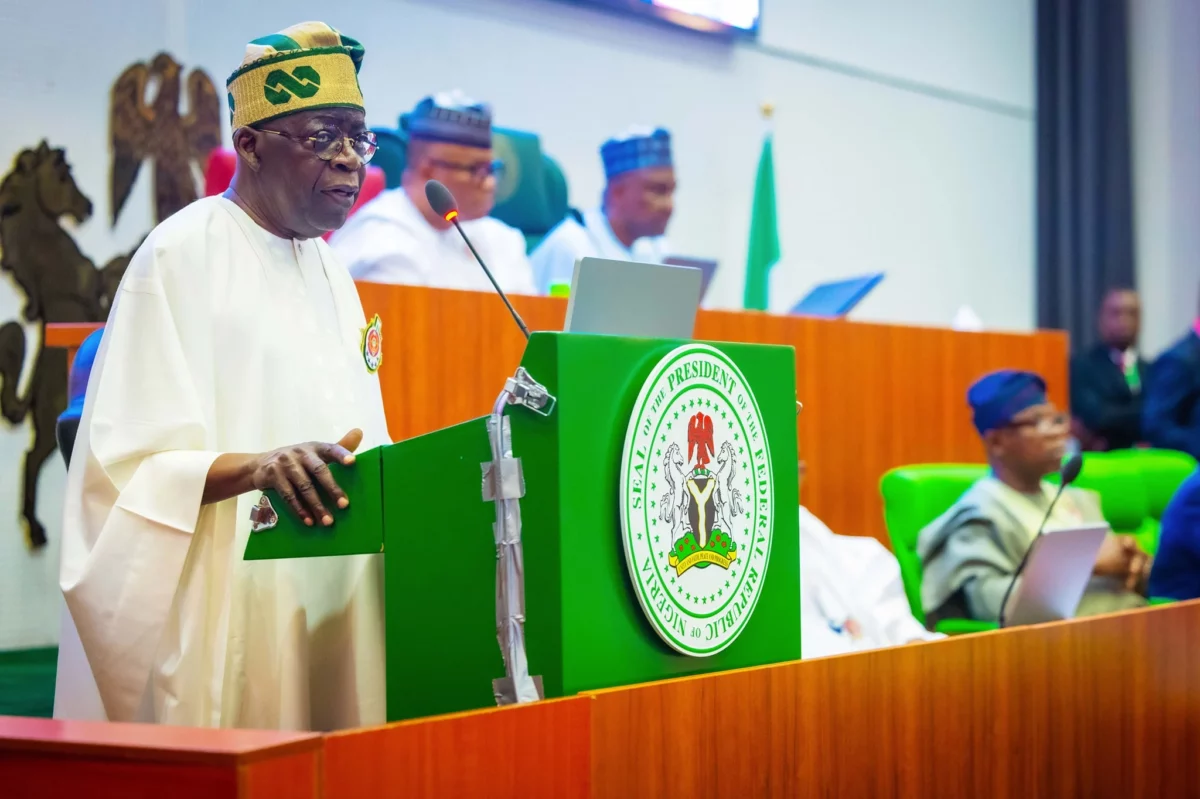
On economic policy, Oibe urged President Bola Tinubu to suspend and review the federal government’s tax policy, citing widespread hardship.
“Nigerians are suffering, and many are dissatisfied with the policy,” he said. “It should be reviewed and reconsidered in the interest of the people.”