


The United States plans to complete its $537 million consulate complex in Eko Atlantic City, Lagos, by 2028, a US Mission official has confirmed.
The 10-storey facility, located on 12.2 acres, is expected to become the largest US consulate in the world. Beyond its diplomatic significance, the project is projected to inject about $95 million into Nigeria’s local economy and provide employment for roughly 2,500 Nigerians, including engineers, architects, artisans, construction workers and administrative staff.
Construction was ongoing during a visit to the site in late January 2026. Workers wearing reflective jackets were seen operating on multiple floors, while trucks delivered building materials across the sprawling site.
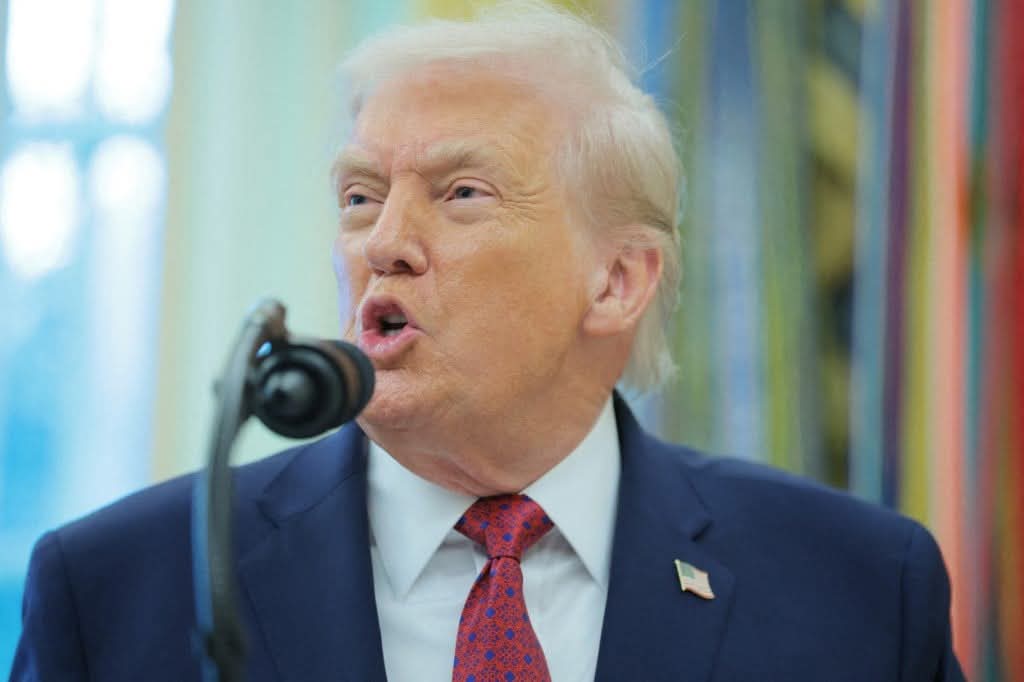
The consulate project has continued steadily despite tighter immigration policies introduced by President Donald Trump’s administration. On his inauguration as the 47th President of the United States, Trump signed executive orders aimed at strengthening immigration enforcement, including measures targeting illegal residency and birthright citizenship. These policies have raised concerns among Nigerians living illegally in the US, amid reports that Africans could face increased deportations.
Nevertheless, US officials say the Lagos consulate underscores the enduring partnership between both countries.
Construction on the project began in 2022 and was initially scheduled for completion in 2027. Workers at the site disclosed that multiple contractors are handling different aspects of the development, including the main building, access roads and a connecting bridge.
“They are already working on the upper floors,” a security officer at the site said, noting that concrete casting and fencing were in progress. Another construction worker explained that work takes place daily, except Sundays, with teams assigned to specific sections of the project.
Attempts to speak with contractors during the visit were unsuccessful, as site managers requested formal authorisation before granting interviews.
A commercial driver operating within Eko Atlantic, identified simply as John, said he did not expect US immigration policies to affect American investments in Nigeria. “It won’t affect investments,” he said. “Countries still welcome business even if immigration rules are strict.”
Confirming the project’s status, a US Mission official said the New Consulate Compound remains on schedule, with occupancy expected in early 2028.
According to the official, the facility represents more than a physical structure. “It is a tangible expression of the longstanding bilateral partnership between the United States and Nigeria, spanning over 65 years,” the official said.
The official added that, beyond job creation, the project is equipping Nigerian workers with advanced technical knowledge and improved safety skills, enhancing their competitiveness in the labour market long after construction is completed.