






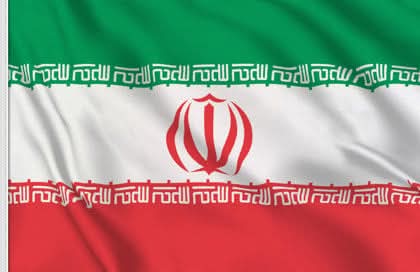
Iran has signalled its expectation of additional negotiations with the United States following what it described as a “positive atmosphere” during talks held in Oman, even as it cautioned Washington against threats amid renewed talk of possible military action.
The discussions, which took place in Muscat on Friday, were mediated by Oman and involved separate engagements with US and Iranian delegations, without a publicly acknowledged face-to-face meeting. The talks came as a US naval task force, led by an aircraft carrier, remained deployed in Middle Eastern waters.
Soon after the meeting ended, Washington announced fresh sanctions targeting shipping companies and vessels linked to Iran’s oil exports. It was not immediately clear whether the sanctions were connected to the Muscat talks.
The Oman meeting marked the first known engagement between the two long-time adversaries since the United States joined Israel’s conflict with Iran in June, launching strikes on Iranian nuclear facilities. It also followed a sweeping crackdown on protests in Iran last month that rights groups say left thousands dead.
Iran’s Foreign Minister, Abbas Araghchi, who led Tehran’s delegation, said the discussions focused solely on Iran’s nuclear programme. Western countries suspect the programme is aimed at developing nuclear weapons, a claim Iran has consistently denied, insisting its activities are for peaceful purposes.
Speaking on Iranian state television, Araghchi said both sides exchanged views in what he described as a constructive environment and agreed in principle to continue negotiations, with details on timing and format to be decided later. He urged the United States to avoid “threats and pressure” to allow the dialogue to progress.
US officials have not commented publicly on the outcome of the talks. However, American media outlet Axios reported that the discussions may have included direct contact between Araghchi and senior US representatives, though this was not officially confirmed.
Images released by Oman’s state news agency showed the presence of Admiral Brad Cooper, head of US Central Command, a move widely interpreted as a signal of Washington’s military posture in the region. Oman’s Foreign Minister, Badr Albusaidi, said the parties aimed to reconvene at a later date.
Meanwhile, regional and international reactions were mixed. Qatar expressed hope that the talks would lead to a comprehensive agreement that promotes regional stability, while France urged Iran to stop acting as a “destabilising force,” citing its nuclear ambitions and support for armed groups.
US President Donald Trump has recently shifted his rhetoric towards curbing Iran’s nuclear programme, even as his administration maintains a “maximum pressure” strategy, including new sanctions aimed at restricting Tehran’s oil revenues. Iran, for its part, has warned it would retaliate against US interests in the region if attacked.
AFP