


United States lawmakers have introduced a new bill seeking to enhance accountability for alleged human rights and religious freedom violations in Nigeria, including proposed sanctions against Fulani militias and former Kano State Governor Rabiu Kwankwaso.
The proposed legislation, titled the Nigeria Religious Freedom and Accountability Act of 2026, was introduced by Representative Riley Moore in collaboration with Representative Chris Smith. The move comes amid increasing global scrutiny over sectarian violence and insecurity in Nigeria.
Announcing the bill, Moore said the legislation is designed to reinforce previous US measures addressing religious persecution and security challenges in Nigeria. He referenced earlier actions, including Nigeria’s designation as a Country of Particular Concern and a recent US-Nigeria security framework agreement.
Moore stressed the United States’ commitment to protecting religious freedom globally, stating that the bill aims to stand in support of persecuted Christian communities and strengthen accountability mechanisms.
Legal analysts say the bill focuses on holding specific individuals and groups responsible for violence linked to religious tensions. Sean Nelson, Senior Counsel for Global Religious Freedom, described the proposal as a bipartisan effort that includes recommendations for sanctions against armed Fulani groups accused of attacks, as well as Kwankwaso over the introduction of Sharia criminal law during his tenure as governor.
According to observers, the legislation signals a tougher US posture by linking future security and economic cooperation with measurable human rights standards. If passed, the bill could influence diplomatic relations and Nigeria’s domestic response to religiously motivated violence.
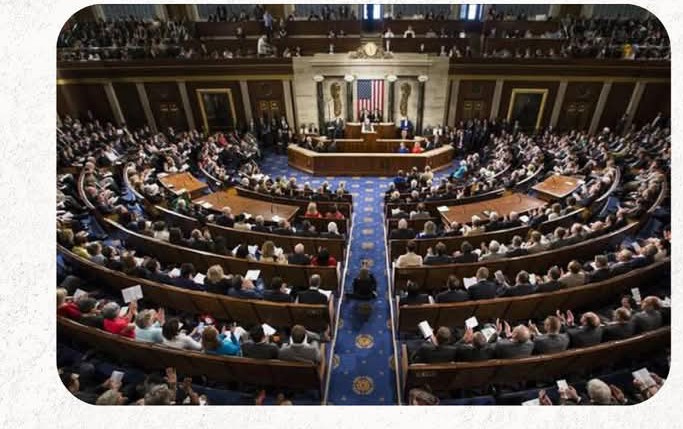
The proposal is expected to undergo committee consideration in the US House of Representatives, with supporters calling for swift action due to ongoing concerns about religious freedom in Nigeria.
Meanwhile, the United States has also announced plans to deploy 200 troops to Nigeria to provide training and technical assistance to the country’s armed forces. Both governments have clarified that the personnel will not engage in direct combat operations.
The deployment, confirmed by officials from both nations, expands existing military cooperation as Nigeria continues efforts to combat insurgent groups. Major General Samaila Uba, spokesperson for Nigeria’s Defence Headquarters, stated that the US troops will assist with training and operational coordination.
Reports indicate that the additional personnel will complement a small US team already supporting airstrike coordination efforts. Their role will focus on improving collaboration between Nigerian air and ground forces.
Nigerian authorities emphasised that the American troops will serve strictly in advisory and support capacities, following Nigeria’s request for enhanced assistance to strengthen its fight against extremist groups.
Nigeria has faced over a decade of insurgency, particularly in the North-East, where Boko Haram and the Islamic State West Africa Province (ISWAP) have carried out attacks on civilians and security forces, resulting in widespread casualties and displacement.
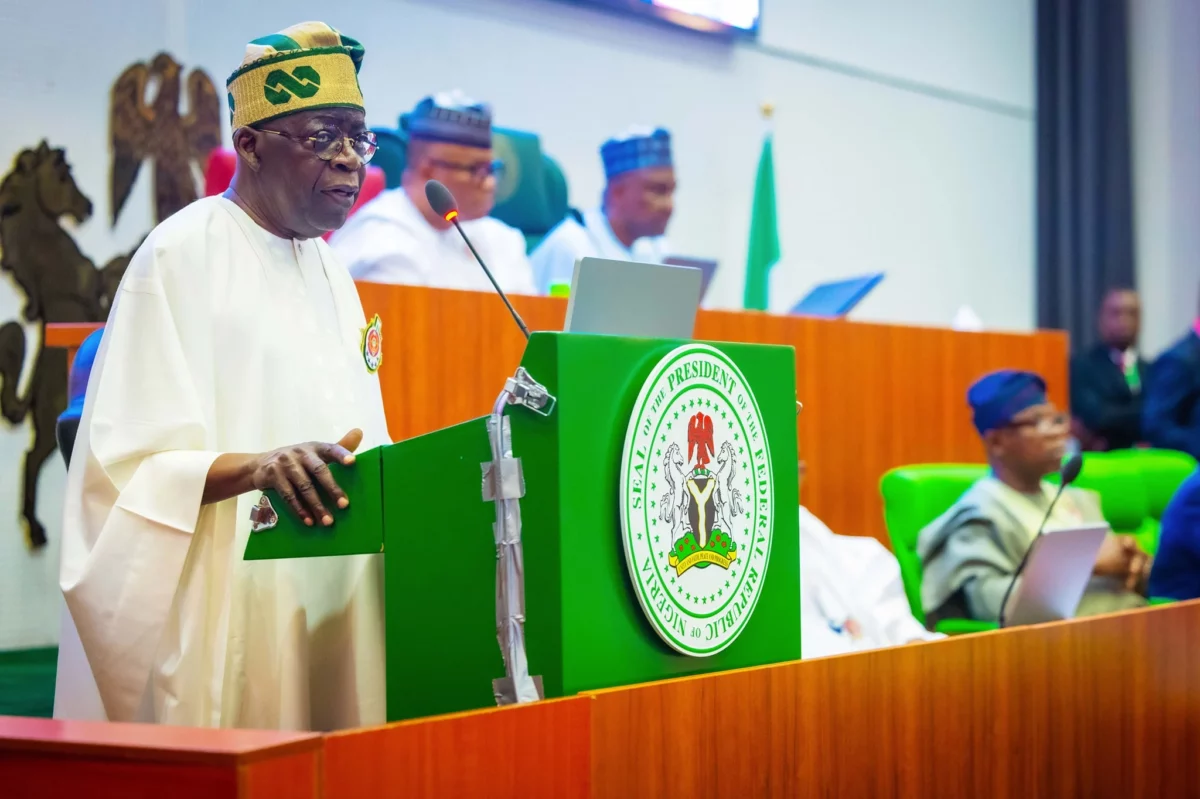
The expanded US involvement comes amid diplomatic tensions, with American officials previously raising concerns about violence affecting Christian communities. However, the Nigerian government has rejected claims that the crisis amounts to a targeted campaign of religious persecution, describing the violence as a complex security challenge rooted in terrorism, banditry and communal conflicts.