







The Christian Association of Nigeria (CAN) in Niger State has appealed to Governor Mohammed Umaru Bago to decline assent to the proposed Hisbah Directorates Bill, warning that it could deepen divisions within the state.
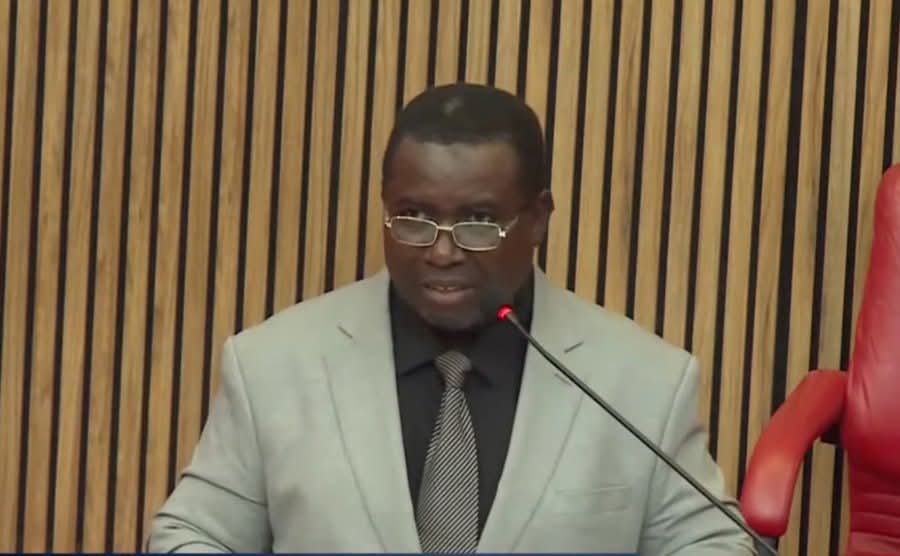
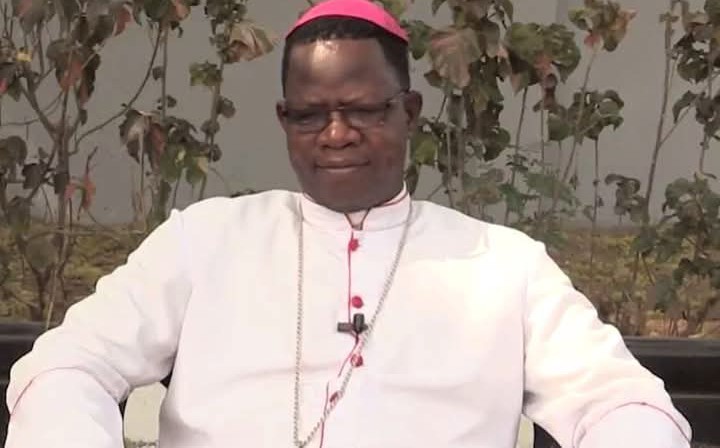
In a statement issued on Sunday in Minna, the state CAN Chairman, Most Rev. Bulus Yohanna, described the bill as contentious and potentially harmful to peaceful coexistence. Yohanna, who also serves as Bishop of the Kontagora Diocese, questioned the rationale behind the legislation and its economic and social value to residents.
Addressing the governor, he said the proposed law could alienate a significant segment of the population, noting that Christians would not be bound by Hisbah regulations. He urged both the governor and members of the State House of Assembly to reconsider the bill, cautioning that proceeding with it might provoke tension.
Yohanna also criticised the conduct of the public hearing on the bill, alleging that CAN was neither invited nor informed. He said the omission suggested exclusion of Christians from key state matters and raised concerns about inclusivity in the legislative process.
The CAN chairman stressed that Niger is religiously diverse and should prioritise policies that strengthen unity rather than accentuate differences. He called on the governor to act in the interest of peace by withholding assent and encouraged lawmakers to focus on initiatives that promote development and cohesion.
He further argued that establishing a Hisbah corps would duplicate the responsibilities of existing security agencies such as the Nigeria Police Force and the Nigeria Security and Civil Defence Corps, alongside other recognised groups.
Yohanna warned that the bill could be interpreted as discriminatory and potentially fuel perceptions of marginalisation. He urged the government to pursue measures that foster collaboration and mutual respect among citizens.
Hisbah, an Islamic moral enforcement body backed by state authorities, operates in several northern states, including Kano State, where it enforces Sharia-related regulations.