
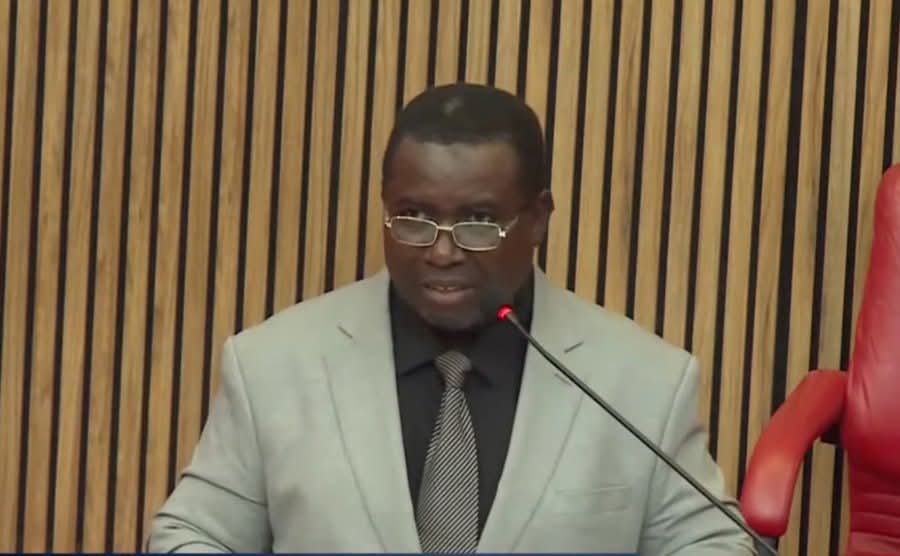

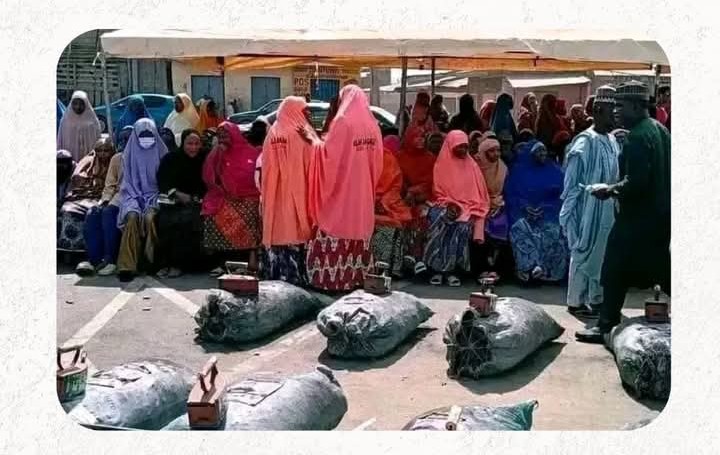
A councillor in Zamfara State has distributed bags of charcoal and charcoal pressing irons to residents of his ward in what he described as an empowerment initiative.
Abubakar Muhammad Tahir, who represents Mayana Ward in Gusau, provided the items to constituents as part of an outreach programme aimed at supporting small-scale businesses. The gesture was reportedly designed to assist beneficiaries engaged in petty trading and other informal economic activities that rely on charcoal and traditional pressing irons.
According to local reports, the distribution targeted residents of Mayana Ward and formed part of the councillor’s constituency engagement efforts.
The development has drawn attention amid a long-running debate over the nature and impact of so-called “empowerment” programmes by Nigerian public office holders. Critics argue that such initiatives often prioritise publicity over sustainable economic support.
In recent years, several politicians have rolled out similar schemes across the country. In 2024, Senator Rufai Hanga distributed white cloth materials and clay pots to constituents in Kano Central, describing them as support items. That same year, a member of the House of Representatives, Alex Mascot Ikwechegh, shared cooking stoves and other materials with residents of his Abia constituency.
Earlier examples include donations of wrappers and cash to women in Sokoto by Senator Aliyu Wamakko, wheelbarrows to youths in Niger and Taraba states, as well as cutlasses and hoes distributed in Kano under youth empowerment drives.
Other reported initiatives have ranged from the presentation of hairdryers and sewing machines in Osun to the distribution of tricycles, grinding machines, sachets of water, donkeys, cassava stems and starter kits for small trades in various states.
While beneficiaries often welcome the items, critics maintain that such programmes highlight broader concerns about poverty alleviation strategies and the need for more structured, long-term economic policies.