





The House Committees on Appropriations and Foreign Affairs of the United States Congress have outlined a series of recommendations to address what they described as the persecution of Christians in Nigeria.
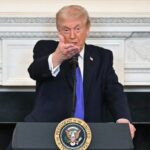
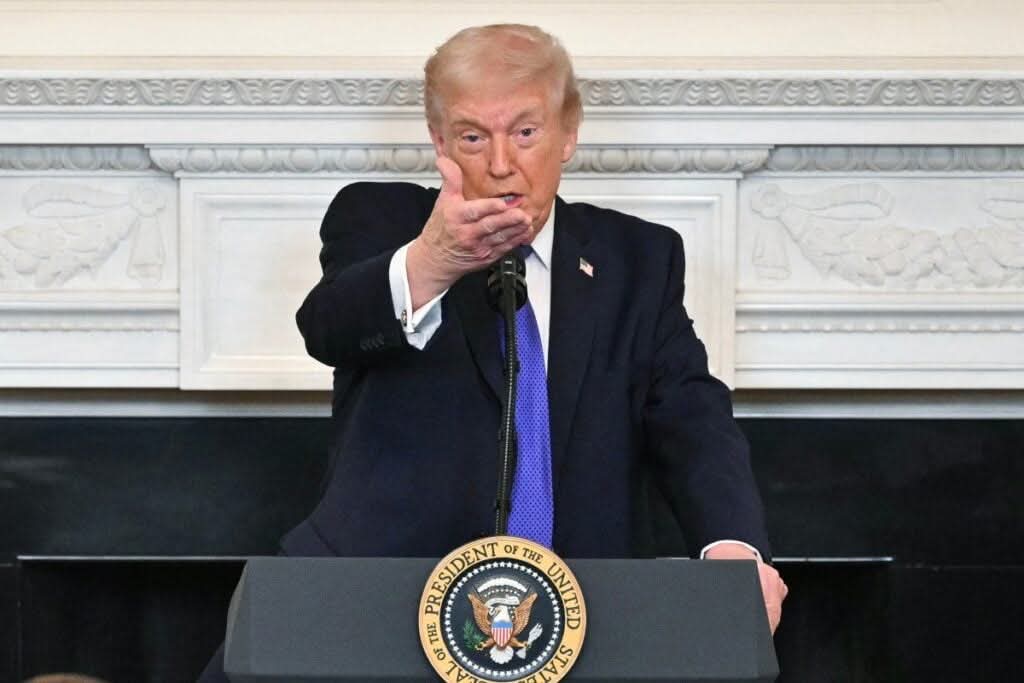
The proposals were contained in a report submitted to the White House following President Donald Trump’s decision to redesignate Nigeria as a Country of Particular Concern (CPC). The report, released on Monday by committee chairman Riley Moore, details measures aimed at improving security, religious freedom, and bilateral cooperation between Washington and Abuja.
A central recommendation calls on Nigeria to scale back its security relationship with Russia by divesting from Russian military hardware and instead procuring American defence equipment through U.S. sales and financing arrangements. Lawmakers also proposed a comprehensive bilateral agreement focused on protecting vulnerable Christian communities, dismantling jihadist networks, boosting economic ties, and countering the influence of China and Russia in Nigeria.
The committees further suggested leveraging trade measures, including blocking beef and other cattle-related exports to certain African countries, as a strategy to pressure Fulani herdsmen to disarm amid ongoing violence in parts of the country.
Among other recommendations, the report urged the continuation of visa restrictions against individuals implicated in violence against Christians and violations of religious freedom. It also called for sanctions against groups or persons found to be participating in or tolerating such violence.
The proposed bilateral framework would require Nigeria to co-fund humanitarian assistance programmes, particularly those supporting internally displaced persons in the predominantly Christian Middle Belt region. It also encourages Abuja to strengthen early-warning systems to prevent attacks and kidnappings, deploy capable security forces to affected areas, and hold accountable officials who fail to respond to credible threats.
Lawmakers recommended removing armed groups from seized farmlands and facilitating the safe return of displaced communities by ensuring adequate security and infrastructure. They also advocated expanded security cooperation with the U.S., including technical support for disarmament, demobilisation, and reintegration programmes targeting armed militias.
Additional proposals include support for Nigeria’s Ministry of Livestock and ranching initiatives, enhanced counter-terrorism collaboration to eliminate foreign terrorist organisations operating in the region, and efforts to curb illegal mining activities allegedly linked to foreign actors.
The report also calls for stricter oversight of U.S. assistance to Nigeria, including requiring measurable progress before further funds are released. It recommends programmes to strengthen religious freedom protections, reform the criminal justice system, improve policing, disrupt terrorist financing networks, and enhance anti-money laundering measures.
Other measures include strengthening the integrity of Nigeria’s financial system, increasing investments through the U.S. International Development Finance Corporation—particularly in the Middle Belt—and conducting a Government Accountability Office audit on the effectiveness of American aid to Nigeria.
The committees further urged the public naming of perpetrators of religious violence under CPC Presidential Directives, repeal of sharia-based criminal anti-blasphemy laws, improved staffing at U.S. diplomatic missions in Nigeria, and a faster Foreign Military Sales process to support shared security priorities.
They also called for a National Intelligence Estimate on Nigeria’s sectarian and communal violence and a review of whether certain militia groups with alleged terror links should be designated as Foreign Terrorist Organizations.
Finally, the lawmakers encouraged the United States to rally support from international partners, including France, Hungary, and the United Kingdom, to address the security and humanitarian challenges in Nigeria.