




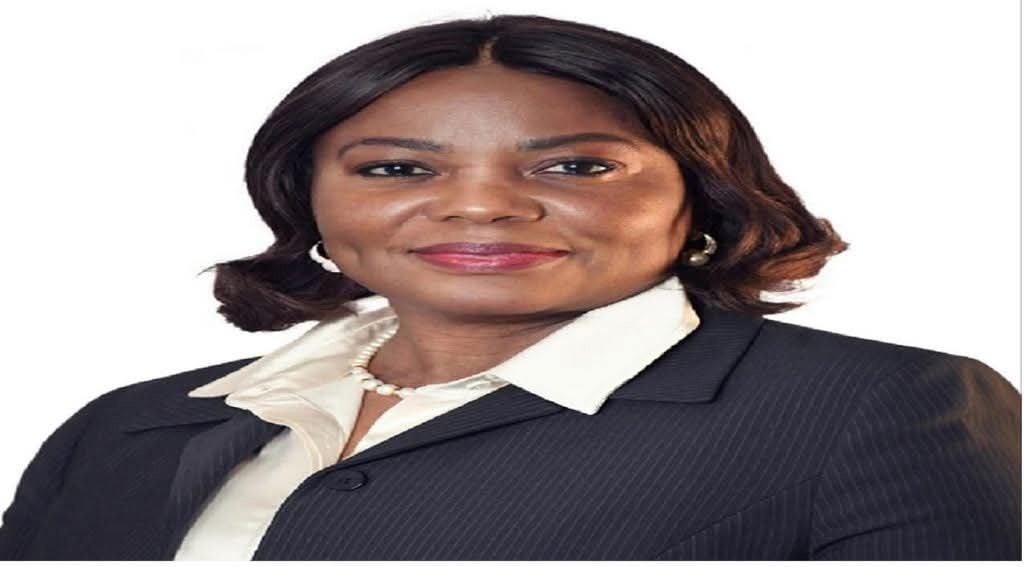
The Director of the Intergovernmental Group of Twenty-Four on International Monetary Affairs and Development, Iyabo Masha, has expressed confidence that Nigeria’s new tax reforms will play a key role in transforming the country into a more modern and efficient economy.
Speaking at a press briefing in Abuja ahead of the group’s meeting, Masha emphasised that effective taxation and stronger domestic resource mobilisation are critical pillars of sustainable development. She noted that reforms in Nigeria’s tax system could enhance formalisation within the economy and improve government revenue over time.
Masha, the first African to lead the G-24 since its creation more than five decades ago, explained that taxation remains the most reliable way for governments to finance development. According to her, public revenue generated through taxes enables authorities to invest in infrastructure, education, healthcare, and security.
While governments may also rely on borrowing or asset sales to fund development, she argued that taxation is the most efficient option and carries the least risk of causing macroeconomic instability.
She pointed out that many developing nations struggle with low tax-to-GDP ratios, in some cases generating as little as seven per cent of GDP in revenue, compared to others that mobilise between 25 and 30 per cent.
Reflecting on Nigeria’s tax framework, Masha said that in her previous professional capacity, she had reviewed the country’s system and found it highly fragmented. She added that weak implementation has contributed significantly to low revenue generation, underscoring the need for comprehensive reform.