









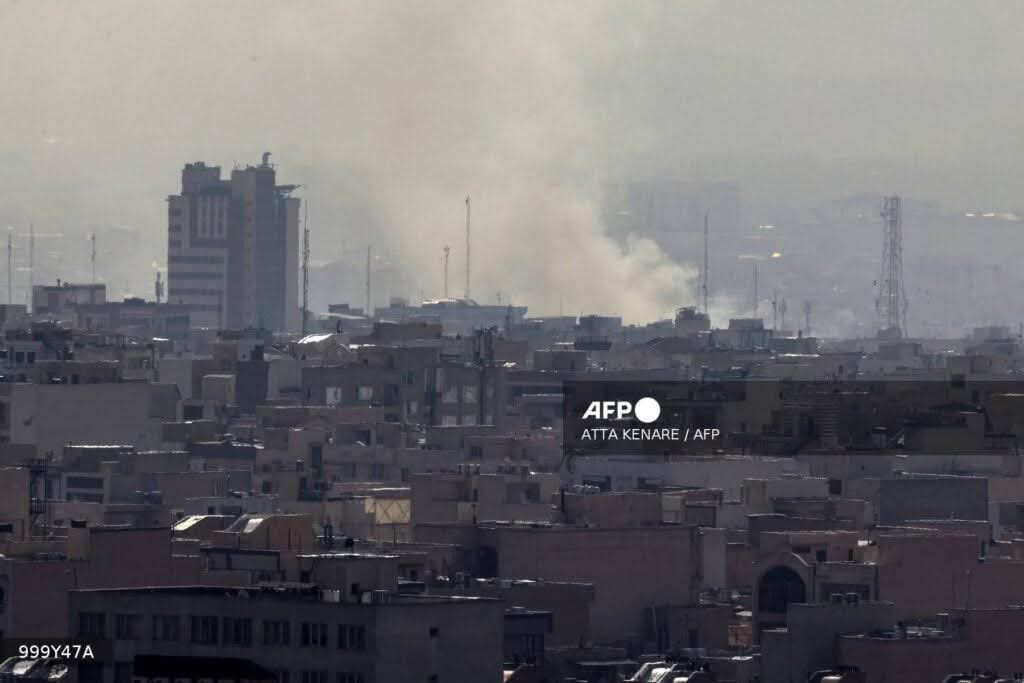
The United Arab Emirates on Saturday confirmed it intercepted ballistic missiles launched from Iran, describing the attack as a “blatant escalation” that followed earlier strikes on Iran by Israel and the United States.
In a statement shared on X, the UAE Ministry of Defence said its air defence systems responded “with high efficiency,” successfully neutralising several incoming projectiles. However, debris from the intercepted missiles reportedly fell in a residential neighbourhood, causing property damage and killing one civilian of Asian nationality.
Despite the incident, authorities assured residents that the country’s overall security situation remains under control, adding that relevant agencies are closely monitoring developments.
The ministry condemned the missile strike as a dangerous and cowardly act that endangered civilians and undermined regional stability. It reiterated the UAE’s firm rejection of attacks targeting civilian infrastructure and national institutions, stressing that such actions violate sovereignty and international law.
It also declared that the UAE reserves the right to respond to the escalation and take all necessary measures to safeguard its territory, citizens, and residents. Officials emphasised that protecting lives remains a top priority and urged the public to rely on verified information from official sources.
Meanwhile, the Ministry of Foreign Affairs of Saudi Arabia issued a separate statement condemning what it called “blatant Iranian aggression” and a clear breach of the sovereignty of Gulf states.
Riyadh denounced violations affecting the UAE as well as Bahrain, Qatar, Kuwait, and Jordan. The Kingdom expressed full solidarity with the affected nations and signalled readiness to provide support for measures deemed necessary.
Saudi authorities warned that continued breaches of sovereignty could have serious consequences and called on the international community to condemn the attacks and act decisively to preserve regional stability.
The developments come amid rising tensions across the Gulf, heightening fears of a broader regional escalation.