








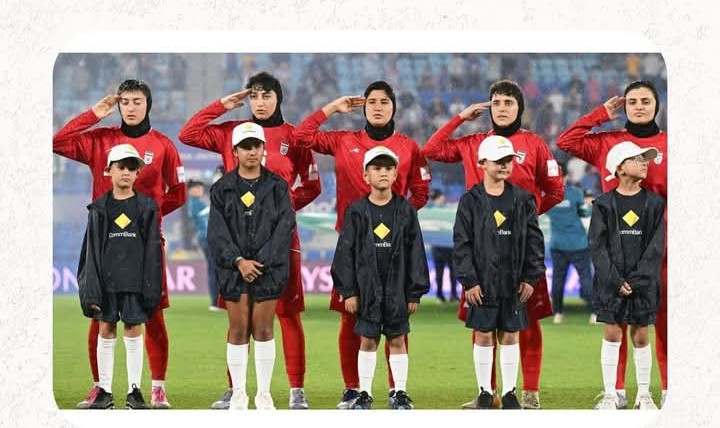
Five members of Iran’s national women’s football team have been granted humanitarian visas in Australia after seeking asylum during the Women’s Asian Cup, citing fears of possible punishment if they returned to Iran.
The players reportedly requested protection after refusing to sing Iran’s national anthem before one of their matches earlier in the tournament. The gesture was widely interpreted as a silent protest against the Iranian government.
Iranian state media later described the athletes as “traitors,” sparking concerns that they could face retaliation if they returned home.
The footballers — Zahra Sarbali Alishah, Mona Hamoudi, Zahra Ghanbari, Fatemeh Pasandideh and Atefeh Ramezanizadeh — were reportedly taken from their team hotel by Australian police and moved to a secure location before being granted humanitarian visas to remain in the country.
Australian Prime Minister Anthony Albanese confirmed that the players had asked for assistance and assured that they were now safe in Australia. Authorities said the decision to grant them protection followed an assessment of the risks they could face if they were forced to return to Iran.
US President Donald Trump had earlier urged Australia to offer asylum to the players, warning that they might face severe consequences back home. He also said the United States would be willing to accept them if Australia declined, but later commended Australia after the visas were approved.
The development comes amid heightened political tensions involving Iran. Human rights groups and sports organisations had earlier called on authorities to protect the players following their protest during the tournament.
Although the five footballers have been granted asylum, the future of other members of the Iranian squad remains unclear. Some players may still return to Iran, reportedly out of concern that their families could face retaliation if they remain abroad.
The situation has drawn international attention to the risks faced by Iranian athletes — particularly women — who openly challenge the government while competing on global platforms.