



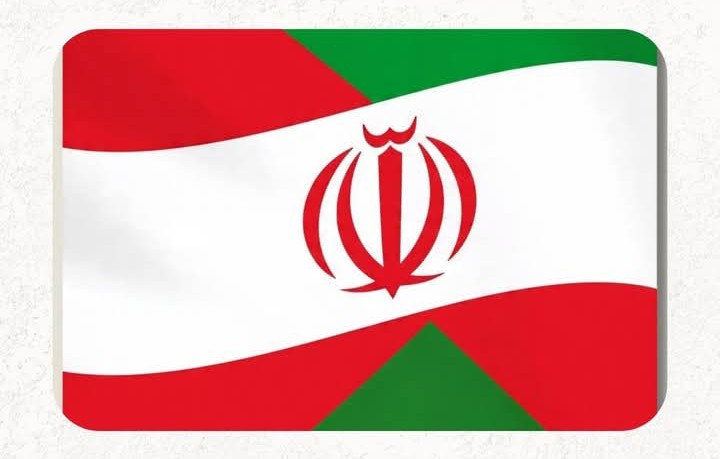
Iran has warned that it may prevent crude oil exports from the Middle East if military attacks by the United States and Israel continue, a move that could further shake global energy markets already unsettled by the ongoing conflict.
On Tuesday, Iran’s elite military unit, the Islamic Revolutionary Guards Corps (IRGC), declared that it would stop oil shipments from the region if strikes against Iran persist. The group stated it would not allow “one litre of oil” to leave the Middle East under continued hostilities.
The warning has intensified global concerns about the strategic Strait of Hormuz, a vital shipping route through which roughly one-fifth of the world’s oil supply passes. Markets are closely watching developments in the area as tensions escalate.
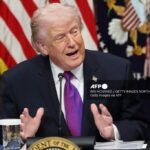
Reacting to Iran’s threat, U.S. President Donald Trump said Washington would respond with overwhelming force if Tehran attempts to disrupt energy supplies through the waterway. Speaking at a news conference on Monday, Trump warned that the United States would strike Iran so severely that it would be impossible for them—or any allies—to recover in that part of the world.
Despite the sharp rhetoric, oil prices briefly retreated while global stock markets gained after Trump suggested the conflict might end sooner than initially expected. He said the United States had already inflicted major damage on Iran’s military and predicted the war could conclude well before the four-week timeline he earlier mentioned, though he did not specify what would define victory.
Israel has maintained that its goal is to remove Iran’s clerical leadership, while U.S. officials have largely described their objective as dismantling Iran’s missile systems and nuclear programme. Trump, however, hinted that the war would only end once Iran installs a government willing to cooperate with Washington.
Iranian authorities rejected Trump’s comments, insisting that Tehran would determine how the war ends. A spokesperson for the IRGC reportedly described the U.S. president’s remarks as “nonsense,” adding that Iran would decide the outcome of the conflict.
Meanwhile, the situation around the Strait of Hormuz has grown more tense, with tanker movements reportedly halted for over a week. The disruption has forced some oil producers to suspend production as storage facilities reach capacity.
Iran also experienced a significant political development after Mojtaba Khamenei was appointed as the country’s new supreme leader on Monday, a move seen by observers as a strong signal of defiance amid the ongoing war.
In a message posted on his social media platform, Truth Social, Trump renewed his warning to Tehran, saying the United States would strike “twenty times harder” if Iran interferes with oil shipments through the Strait of Hormuz.
The leadership change initially triggered a surge in oil prices and a drop in global equities, although markets later stabilised after Trump predicted a swift end to the conflict. Following a call with Russian President Vladimir Putin, Trump also announced plans to waive certain oil-related sanctions on some countries to ease supply shortages.
However, the standoff continues to pose serious risks to global energy supply. Oil prices have already climbed above $100 per barrel as tensions escalate.
Brent crude, the global benchmark, surged by more than 30 percent on Sunday, briefly exceeding $119 per barrel amid fears of a prolonged disruption to global oil supplies. The rise marks the first time crude prices have crossed the $100 mark since Russia’s invasion of Ukraine in 2022.