


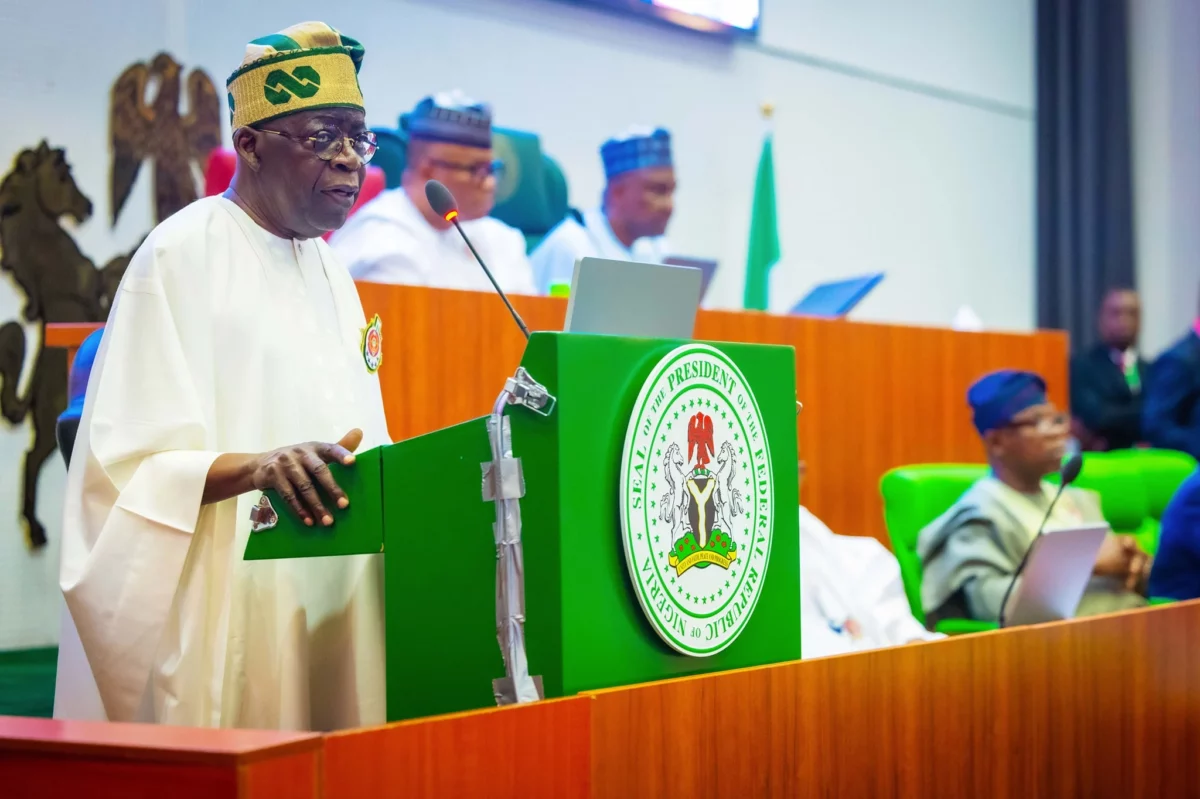










Some countries, including India, have reportedly refused to accept several ambassadors recently nominated by Nigerian President, Bola Ahmed Tinubu, citing concerns over the limited time remaining in his administration.
Diplomatic sources revealed that the decision is tied to a policy adopted by certain countries that discourages the acceptance of ambassadors from governments with less than two years left in office.
Officials familiar with the matter said India has already indicated it may not approve Nigeria’s ambassador-designate to New Delhi, Muhammad Dahiru.
Under international diplomatic practice, a host country must grant agrément—formal approval—before an ambassador can assume duty.
A senior Presidency official explained that the reluctance from some countries is based on the short time remaining in the current Nigerian administration.
“They don’t accept an ambassador from an administration that has less than two years in office,” the official said.
The source added that several countries have signalled they may decline some nominees, not because of the individuals involved, but due to the limited period they would be able to serve.
Another foreign service source noted that some governments fear the envoys could be replaced if a new administration emerges after the next election.
“The concern is that the president has about a year left in office. If he loses the election, a new government could remove the ambassadors,” the source said.
Recently, President Tinubu approved the appointment of 65 ambassadors and high commissioners to represent Nigeria in different countries and international organisations. The nominees were assigned to major destinations such as Germany, China, Mexico and India, as well as to the United Nations.
However, the process of securing diplomatic approval has been slow. Reports indicate that only a few countries, including the United Kingdom and France, have granted agrément so far.
Sources also blamed the delay in appointing new envoys for the situation.
In September 2023, the Nigerian government recalled ambassadors from over 100 foreign missions, leaving many diplomatic posts vacant for more than two years before fresh nominations were submitted.
Officials at the Ministry of Foreign Affairs are now hoping Nigeria’s diplomatic relationships with some countries could persuade them to make exceptions.
A senior diplomat explained that India is known to follow the two-year tenure rule strictly.
“I know India has that policy. If a government has less than two years left in office, accepting an ambassador becomes difficult,” the diplomat said.
Nigeria’s next presidential election is scheduled for January 2027, while Tinubu’s current term is expected to end in May 2027.
Because of this timeline, some of the nominated ambassadors could end up serving for less than a year if their approvals come late.