
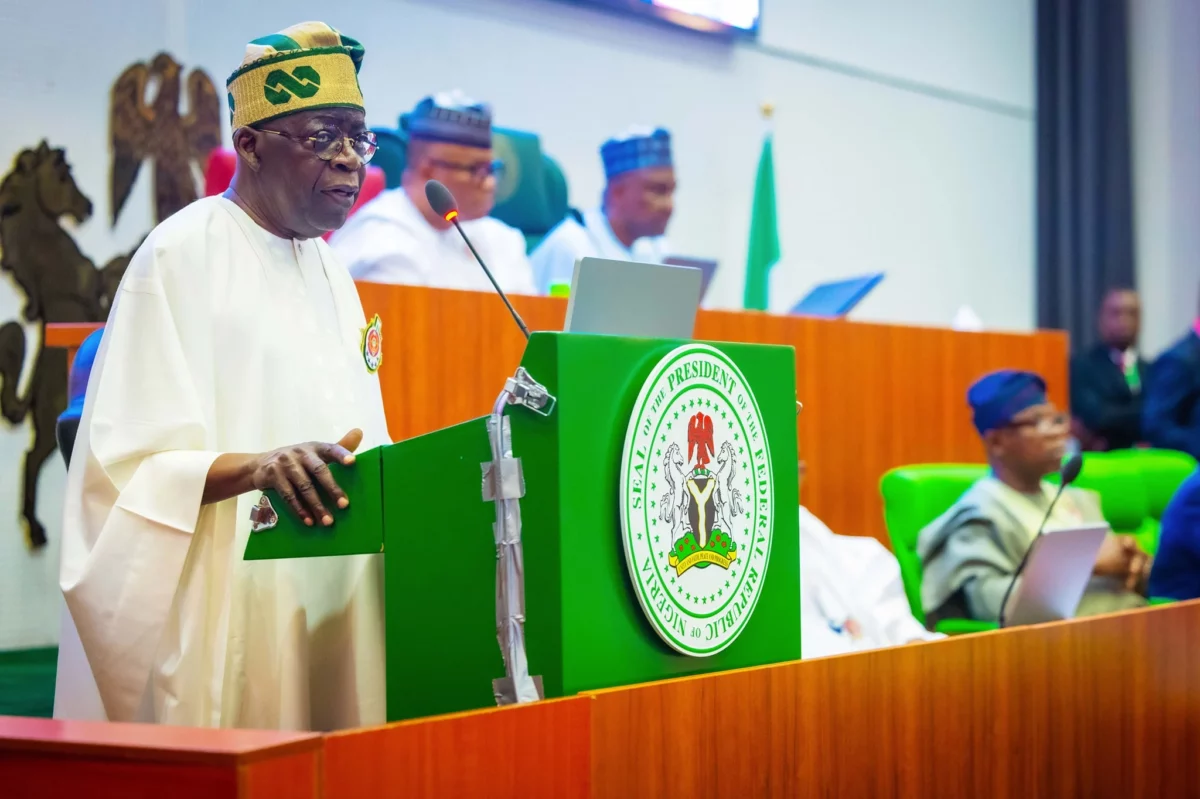

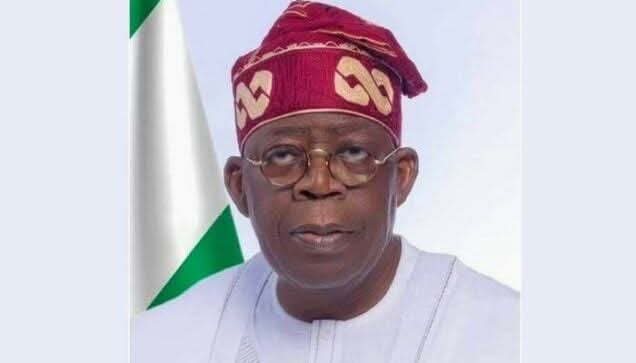
President Bola Ahmed Tinubu has called on media organisations to extend the same level of scrutiny they apply to the Federal Government to state and local governments, noting that subnational authorities now enjoy greater financial independence.
The President made the appeal on Friday while hosting media proprietors and executives at the Presidential Villa in Abuja.
According to Tinubu, recent reforms have strengthened fiscal federalism, allowing local governments to receive their allocations directly. He therefore urged journalists to also monitor how funds are utilised at the state and local levels.
“We have expanded the principle of federalism so that local governments now receive their funds directly. It is important for the media to also examine how those funds are being used,” he said.
Tinubu also stated that the financial situation of many states has improved under his administration, adding that most states are no longer borrowing to pay workers’ salaries.
In the past, several states struggled to meet salary obligations and often relied on federal bailouts or loans, especially during periods of low oil revenue.
The administration attributes the increase in allocations to states and local governments to improved crude oil production, stronger revenue generation by the Federal Inland Revenue Service, and the direct disbursement of funds to local councils following the ruling of the Supreme Court of Nigeria in July 2024 granting fiscal autonomy to local governments.
Tinubu also expressed appreciation to the media for criticising his government, saying such criticism had pushed him to perform better.
He revealed that reading newspapers daily has become a habit for him, explaining that he often goes through the headlines every morning before starting his day.
The President admitted that he initially reacted strongly to criticism from newspapers and opinion leaders at the beginning of his administration but said the feedback had helped sharpen his leadership.
Tinubu defended major policy decisions taken by his government, particularly the removal of petrol subsidy in May 2023. According to him, the move was necessary to prevent the country from sliding into financial collapse.
He maintained that Nigeria has since moved away from that economic brink, citing improvements in foreign exchange management and efforts to control inflation.
The President also said he does not view critics as enemies but as contributors to the process of nation-building, noting that most Nigerians share the desire for a better country.
Accepting full responsibility for his policies, Tinubu said he sought the mandate to lead and must therefore deliver results.
He also acknowledged the difficult operating environment faced by media organisations, especially in sourcing funds during challenging economic conditions.
The President added that issues relating to tariffs affecting the media industry were discussed during the meeting and assured that the matter would be reviewed.
Tinubu pledged to continue serving the country with dedication and called for collective efforts from government, the media, and citizens to improve Nigeria.
The meeting took place during an Iftar dinner marking the end of the 2026 Ramadan season and was attended by media executives from print, radio, television, and other electronic media organisations.