












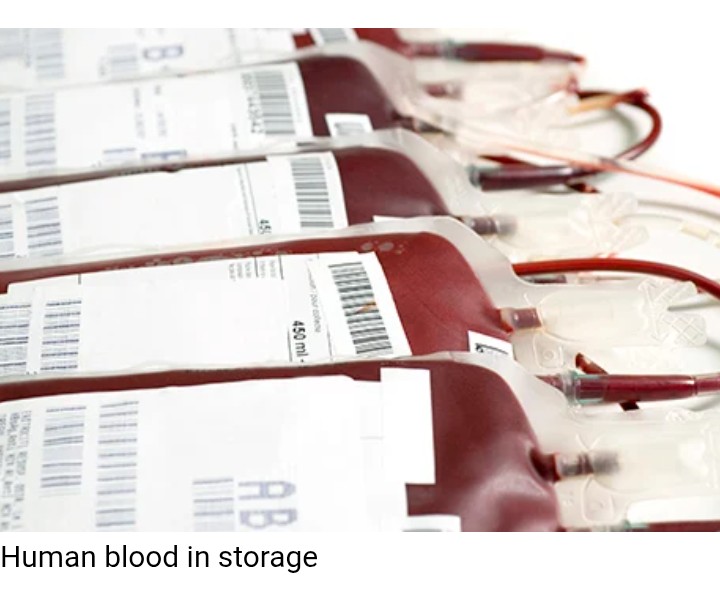
Members of the Jehovah’s Witnesses have been given greater flexibility regarding the use of their own blood during medical procedures, following a new clarification by the group’s leadership.
The updated guidance allows individuals to decide whether their own blood can be collected, stored, and reused during surgeries or treatments. However, the longstanding prohibition against receiving blood from others remains unchanged.
Personal choice within religious principles
In a recent video message, Governing Body member Gerrit Lösch explained that the clarification is intended to give believers room to make personal decisions in line with their conscience.
He noted that while the faith continues to uphold abstinence from blood as a core doctrine, the Bible does not specifically address the medical use of one’s own blood. As a result, members are now free to determine how their blood is handled during procedures such as surgery, testing, or therapy.
According to him, practices like blood tests, dialysis, and the use of heart-lung machines—already accepted by many adherents—reflect this evolving understanding. Some members may approve of storing and reusing their blood, while others may still object based on personal conviction.
Renewed debate in Nigeria
The issue has drawn increased attention in Nigeria following the death of social media personality Mensah Omolola, popularly known as AuntieEsther, in December 2025.
She had declined a medically advised blood transfusion due to her religious beliefs and instead pursued alternative treatments supported by public donations. Her decision and eventual death sparked widespread discussion about the balance between faith and medical care.
Longstanding doctrine on blood
Avoiding blood transfusions has long been a defining teaching of Jehovah’s Witnesses, rooted in biblical passages that instruct believers to abstain from blood. These include texts from Genesis, Leviticus, Deuteronomy, and Acts.
The organisation maintains that its position is based on respect for the sanctity of life, which it believes blood represents. At the same time, it emphasises that members do not reject modern medicine and often make use of “bloodless” medical techniques.
With this latest clarification, the group seeks to align its religious teachings with contemporary medical practices while allowing individuals to make personal decisions about their care.