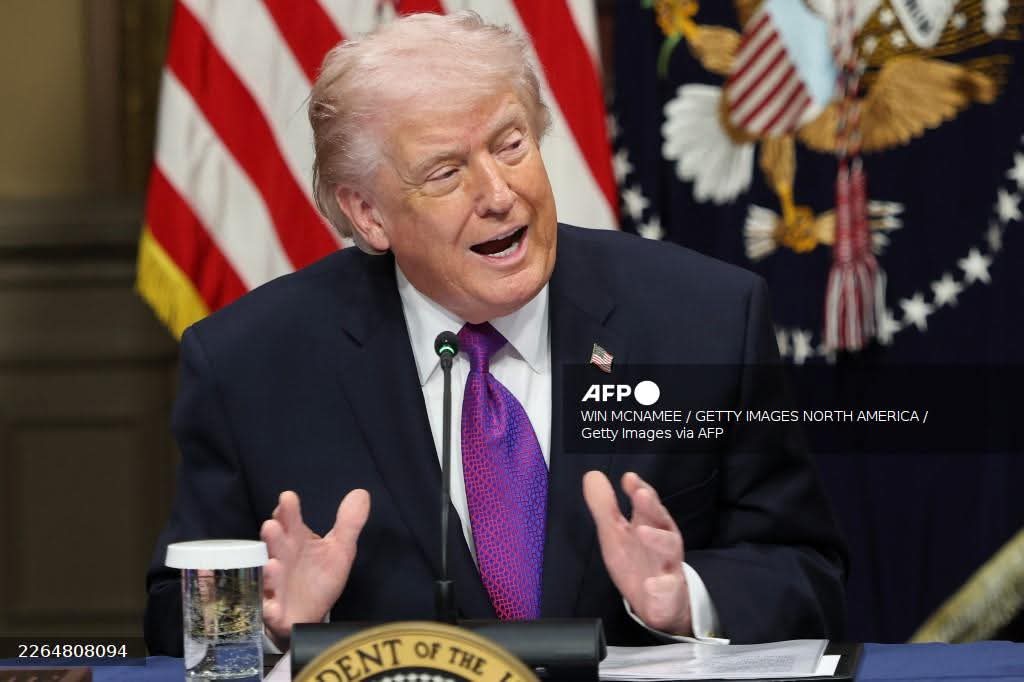












The United States government has announced a landmark—and contentious—decision to feature the signature of sitting president Donald Trump on future American paper currency. If implemented, it would mark the first time in U.S. history that a current president’s name appears on dollar bills.According to the United States Department of the Treasury, the move forms part of activities to commemorate the nation’s 250th anniversary, known as the Semiquincentennial.Treasury Secretary Scott Bessent described the decision as a tribute to Trump’s economic record, saying the country is experiencing a period of “unprecedented growth, lasting dollar strength, and fiscal stability” under his leadership. He added that including the president’s name on U.S. currency is a symbolic way to recognize both national achievements and Trump’s role in them.U.S. Treasurer Brandon Beach also backed the initiative, calling it a fitting acknowledgment of what he termed Trump’s influence on America’s economic resurgence. He noted that the redesigned currency would reflect the nation’s strength and prosperity as it approaches its historic milestone.The proposal, however, represents a significant break from longstanding tradition. U.S. banknotes have historically carried only the signatures of the Treasury Secretary and the Treasurer, alongside portraits of past presidents and notable figures such as George Washington and Abraham Lincoln.Critics argue that placing the signature of a sitting president on currency risks politicizing a key national symbol and blurring the line between governance and personal legacy. Some warn it could set a precedent for future administrations to imprint their authority more directly on state institutions.For decades, the design and approval of U.S. currency have been guided by strict protocols aimed at preserving institutional neutrality and continuity. The inclusion of Trump’s signature—while he remains an active political figure—signals a notable shift that is likely to spark debate among lawmakers, historians, and the public.As the United States prepares for its 250th anniversary, the rollout of the redesigned notes is expected to face close scrutiny over its broader implications for democratic norms and national identity.