








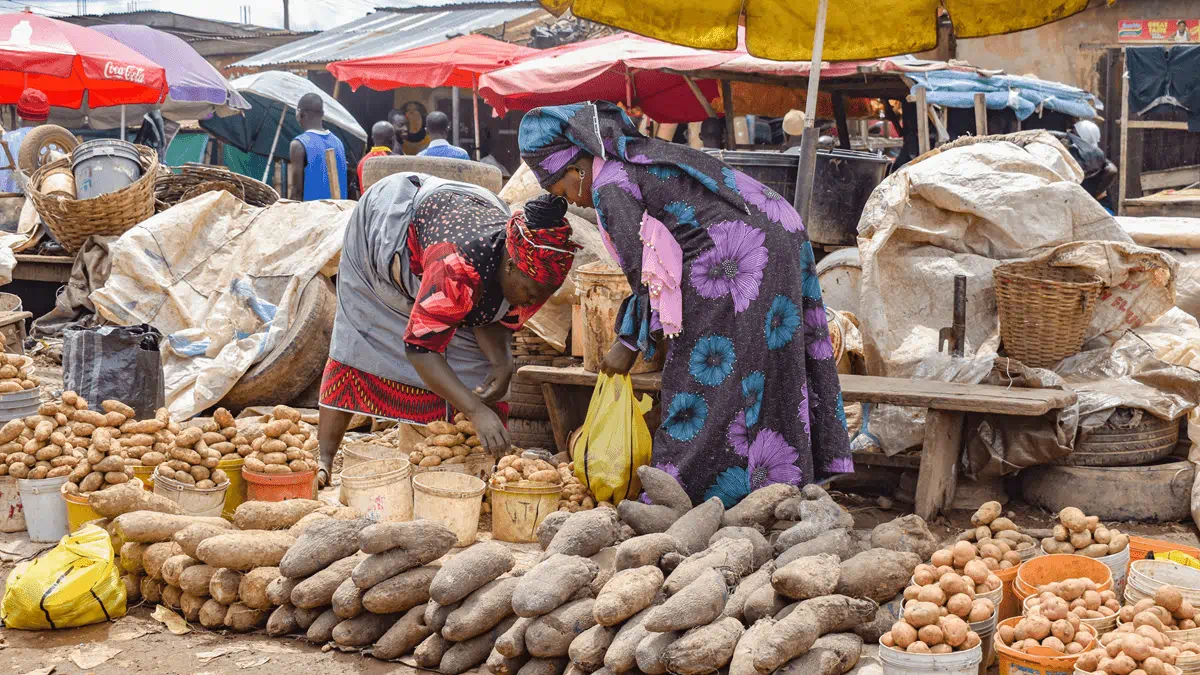
Abuja, Nigeria — December 2025: Nigeria’s food trade sector is facing a ₦5 trillion crisis, driven by soaring production costs, weak infrastructure, and persistent insecurity in farming regions.
Reports show that post-harvest losses account for nearly 40% of agricultural output, with poor storage facilities and inadequate transport networks compounding the problem. Farmers in northern states have been particularly hard hit, struggling to move produce to urban markets due to banditry and road insecurity.
At the same time, Nigeria’s reliance on food imports continues to strain foreign reserves. Rising global prices for staples such as rice, wheat, and cooking oil have worsened the situation, making local substitutes more expensive. Traders estimate that the combined effect of import dependency and domestic inefficiencies has cost the economy trillions in 2025 alone.
Expert Commentary
Agricultural economist Dr. Chinedu Okeke explained:
“Nigeria’s food trade crisis is structural. Without investment in storage, logistics, and security, farmers will keep losing value, and consumers will keep paying more.”
Implications
- Short-term: Food prices may remain volatile despite recent harvest improvements.
- Medium-term: Farmers risk abandoning production if losses continue unchecked.
- Long-term: Nigeria must prioritize agro-processing, cold-chain logistics, and rural security to stabilize food trade.