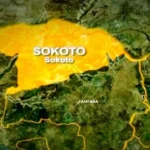








ABUJA/LAGOS — The US airstrikes on Christmas Day 2025 against two apparent Islamic State (ISIS) camps in Sokoto State’s Bauni forest and Tangaza areas delivered a tactical blow to militant operations, but security analysts and regional experts caution that isolated military actions like these are unlikely to meaningfully reduce Nigeria’s broader insecurity or reverse years of deteriorating stability.
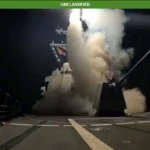
U.S. Africa Command (AFRICOM) confirmed the strikes—carried out with Nigerian coordination using cruise missiles from a warship in the Gulf of Guinea—targeted ISIS enclaves used for planning large-scale attacks. Initial assessments reported multiple militants killed, with no verified civilian casualties despite local reports of explosions shaking homes in nearby villages like Jabo.
Experts broadly acknowledge the disruption. Confidence MacHarry of SBM Intelligence noted the strikes likely impacted Lakurawa, a lesser-known but increasingly lethal group in the northwest with suspected ties to ISIS Sahel Province (ISSP). Lakurawa has expanded since around 2017, initially welcomed in some communities as anti-bandit protection before turning oppressive and controlling pockets of territory amid weak state presence.
Nnamdi Obasi, Senior Adviser at the International Crisis Group, described the operation as a significant escalation in support for Nigeria’s overstretched military, which faces multiple fronts including banditry, jihadist remnants, farmer-herder clashes, and communal tensions. The strikes provide “crucial help” where Nigerian forces are often outgunned, he said, but “are unlikely to halt the multi-faceted violence… driven largely by failures of governance.”
A key point of consensus among analysts is that Nigeria’s northwest violence is not primarily ideological jihadism tied to global ISIS networks. CSIS analysis emphasized that Salafi-jihadist affiliates in Africa focus on local plotting rather than transnational threats to the US homeland. Al Jazeera opinion pieces and Guardian contributors highlighted that Sokoto—historically the seat of the 19th-century Caliphate and overwhelmingly Muslim—sees violence disproportionately affecting Muslim communities through banditry, kidnappings, and resource conflicts rather than targeted religious persecution.
This reality fuels debate over the US framing. President Trump’s portrayal of the strikes as protection against “Christian genocide” has drawn pushback. Analysts like those cited in CNN, NYT, and BBC reporting note no evidence of disproportionate Christian targeting in the strike areas; violence affects all faiths, often driven by criminal motives, land disputes, climate stress, poverty, and porous borders. Bishop Matthew Hassan Kukah of Sokoto has stated the region does “not have a problem with persecution” of Christians.
Onyedikachi Madueke in The Guardian warned that symbolic strikes in a culturally significant area could backfire—potentially inflaming anti-US sentiment, deepening religious suspicion, and providing propaganda opportunities for hardline groups like Lakurawa or ISSP. Rather than weakening influence, they might energize recruitment by amplifying grievance narratives.
Long-term solutions, experts stress, lie beyond airstrikes: addressing structural drivers such as socioeconomic inequality (Sokoto has among Nigeria’s highest out-of-school child rates), desertification, weak rural governance, and fragile security institutions. While the operation averted potential unilateral US action and strengthened bilateral cooperation, it underscores Nigeria’s ongoing struggle to build sustainable, homegrown responses to hybrid crime-terror threats.
As Defense Secretary Pete Hegseth hinted at “more to come,” analysts urge caution: tactical wins must pair with political will and resources if Nigeria is to break the cycle of insecurity in 2026.