












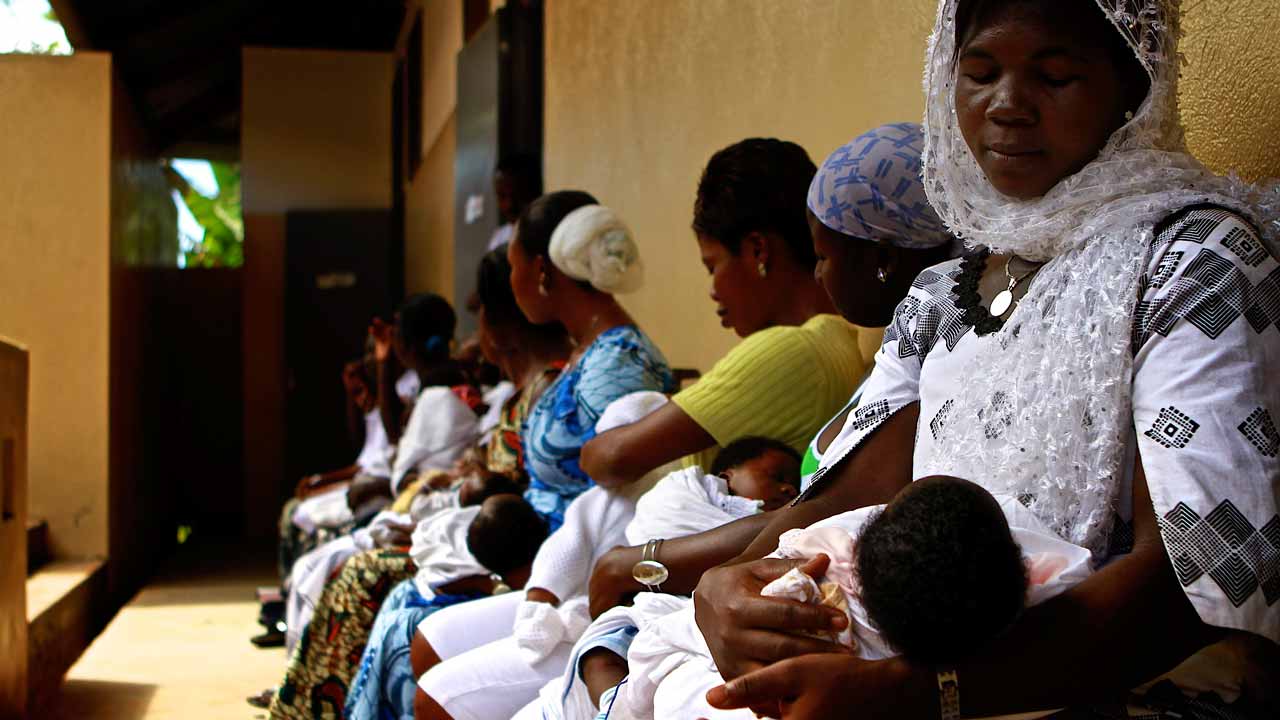
ABUJA — The Federal Government has announced a breakthrough in its quest to “crush” maternal mortality, reporting a 17% reduction in maternal deaths across Nigeria’s most vulnerable regions. The Coordinating Minister of Health and Social Welfare, Prof. Muhammad Ali Pate, disclosed these findings during the 2025 Joint Annual Review (JAR) held in Abuja in November and December.
The report highlights the first measurable results of the Nigeria Health Sector Renewal Investment Initiative (NHSRII), a sector-wide approach aimed at improving health outcomes through accountability and targeted funding.
Targeting High-Burden Areas
The progress was most notable in 172 priority Local Government Areas (LGAs), which historically accounted for over 50% of maternal deaths in the country. These areas were the focus of the Maternal and Neonatal Mortality Acceleration Initiative (MAMI), also known as the “Miyami Model.”
- Newborn Survival: In addition to maternal gains, newborn deaths in these regions dropped by 12%.
- Skilled Attendance: Skilled birth attendance coverage increased by 33%, with over 90% of deliveries in these facilities now attended by trained professionals.
- Emergency Care: For the first time, emergency obstetric care was included under national insurance benefits, leading to over 4,000 free Caesarean sections for vulnerable women.
The Surge in Primary Healthcare (PHC) Trust
A centerpiece of the 2025 review was the unprecedented rise in the utilization of Primary Health Care facilities supported by the Basic Health Care Provision Fund (BHCPF).
- Usage Statistics: Visits to PHCs surged from 10 million in early 2024 to 45 million by the second quarter of 2025—a fourfold increase.
- Facility Revitalization: Over 435 facilities were completely revitalized, and 15,000 new community-based health workers were recruited to bridge the gap between rural homes and clinics.
Challenges Remain: The “Japa” Factor and Affordability
Despite the “good news,” Prof. Pate cautioned that the sector is “not out of the woods.” He acknowledged that affordability remains the biggest barrier for many Nigerians, with out-of-pocket expenses still high. Furthermore, while the government recruited 20,000 new frontline workers into tertiary hospitals this year, the persistent emigration of specialized doctors (the “Japa syndrome”) remains a critical threat to sustaining these gains.
“The signs of progress are real and data-backed,” Pate emphasized. “If we sustain this momentum, Nigeria’s health outcomes will become a model for the continent.”