



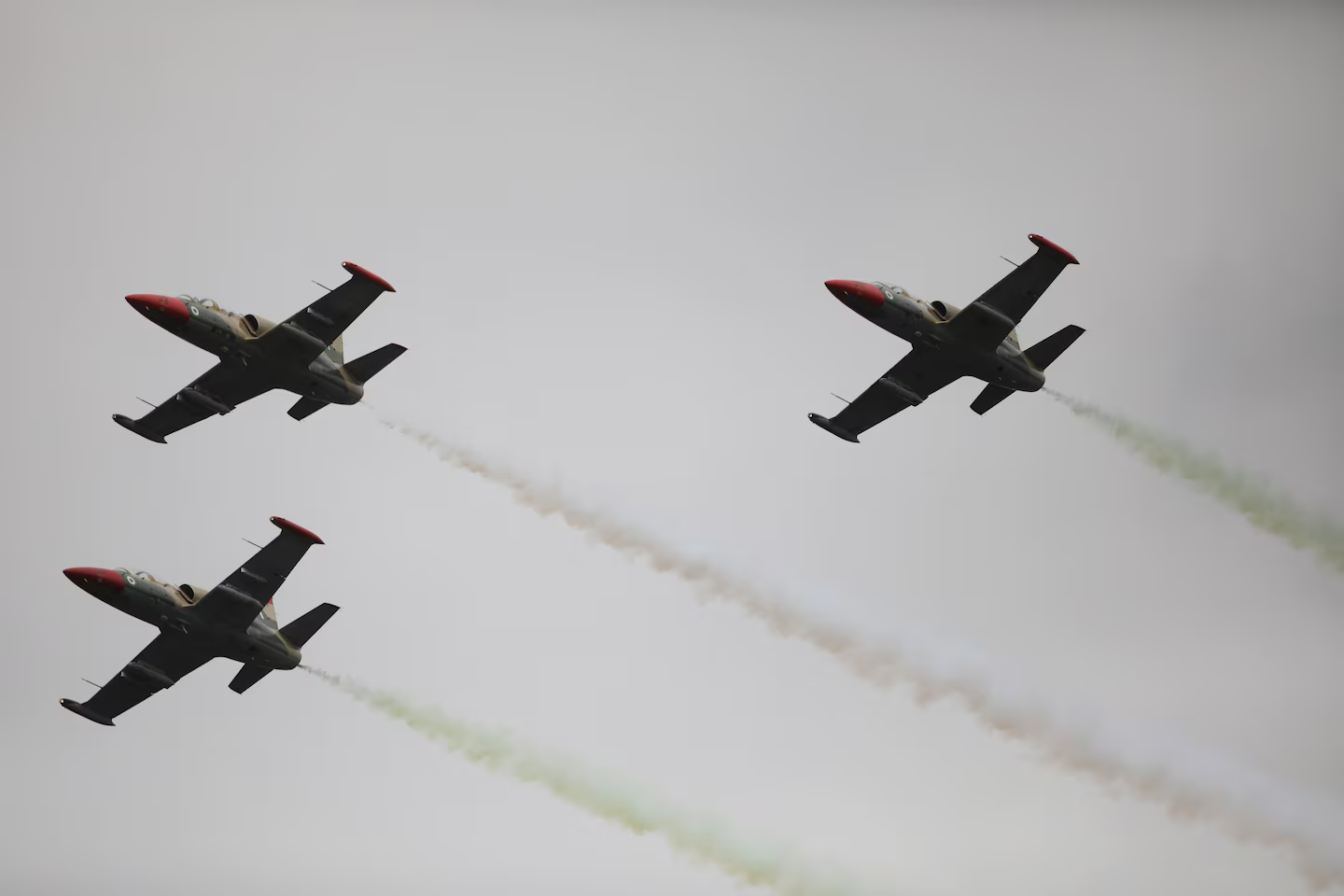
ABUJA — The Nigerian government on Monday provided fresh details on the December 25, 2025, U.S. airstrikes in Sokoto State, confirming that the operation was made possible by extensive intelligence-sharing between Abuja and Washington and was not a unilateral American intervention.
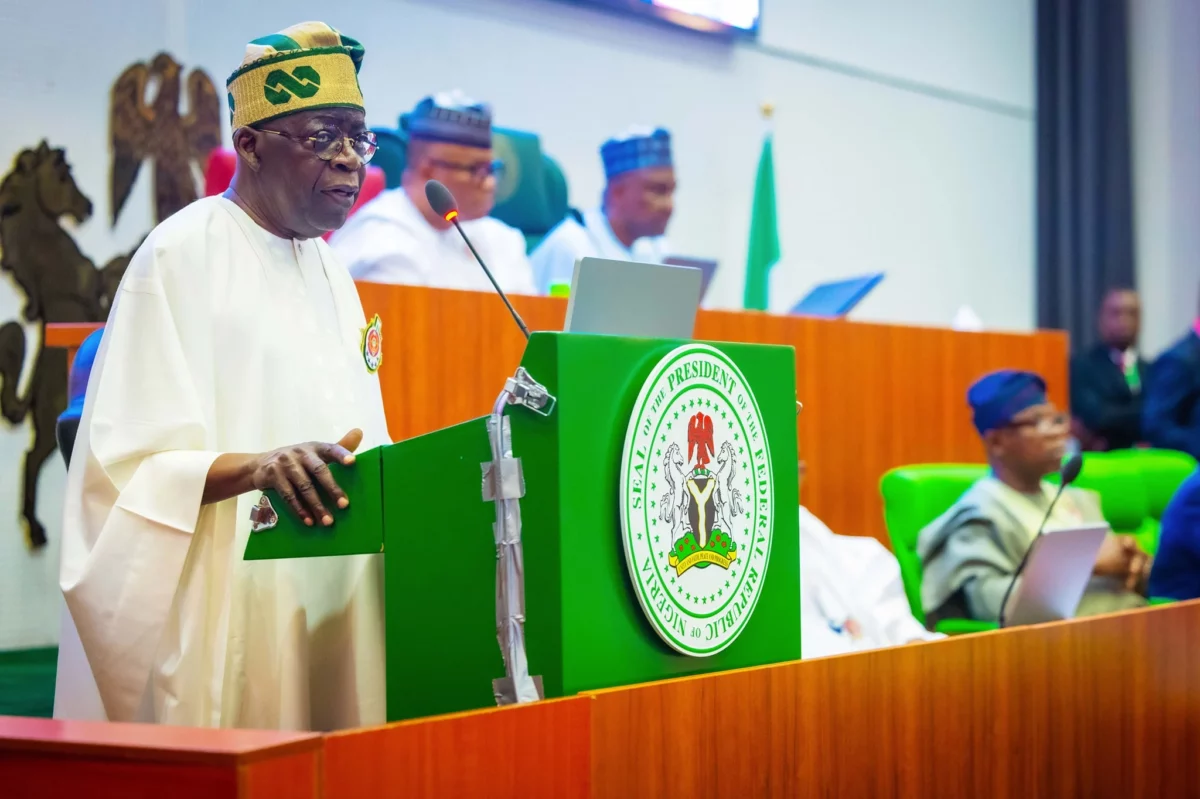
Speaking to journalists in Abuja, Foreign Minister Yusuf Tuggar disclosed that Nigerian security agencies had been tracking the two targeted ISIS enclaves in the Bauni forest and Tangaza Local Government Area for several months. “This was a joint ongoing operation. The intelligence was provided by Nigeria, the approval was given by President Bola Tinubu, and the execution was carried out with full coordination,” Tuggar said.
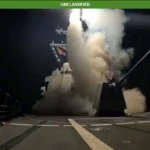
Information Minister Mohammed Idris added that 16 GPS-guided munitions struck the camps simultaneously, completely destroying facilities used by ISIS Sahel Province (ISSP) and its local affiliate, Lakurawa, as staging points for planned large-scale attacks on Nigerian communities. Early assessments from U.S. Africa Command (AFRICOM) indicate multiple terrorists were killed.
“The camps were in remote forest locations with no civilian presence nearby. As of now, there are no verified reports of civilian casualties,” Idris stated, addressing initial local concerns about fallout in villages such as Jabo and Offa.
Both ministers reiterated Nigeria’s long-standing position that insecurity in the northwest and northeast affects citizens of all religions. “Terrorists and bandits do not ask for your faith before they attack. They target innocent Nigerians—Muslim, Christian, or otherwise,” Tuggar emphasized, directly countering U.S. narratives that have framed the violence as primarily anti-Christian.
The confirmation comes after President Donald Trump described the timing of the strikes as a deliberate “Christmas present” and linked them to alleged persecution of Christians—a characterization the Nigerian government has consistently rejected.
Defense sources told journalists that the intelligence-sharing framework, expanded under the Tinubu administration, was critical in preventing the kind of unilateral U.S. action Trump had threatened in November. “By cooperating fully and providing actionable intelligence, Nigeria ensured the operation respected our sovereignty while delivering a significant blow to terrorism,” a senior defense official said on condition of anonymity.
U.S. Defense Secretary Pete Hegseth praised the partnership, posting on social media: “Great coordination with our Nigerian partners—more to come as needed.”
Security analysts welcomed the tactical success but cautioned that airstrikes alone cannot resolve the broader drivers of extremism and banditry in the region, including poverty, governance gaps, and porous borders.
As 2025 draws to a close, the Christmas Day operation marks the deepest direct U.S. military involvement in Nigeria’s counterterrorism campaign in recent years—and signals a new phase of intelligence-led cooperation between the two nations.