




President Donald Trump has confirmed that he directed the delay of US military airstrikes against Islamic State (ISIS) militants in northwestern Nigeria, shifting the operation from Christmas Eve to Christmas Day for symbolic reasons. In an exclusive interview with Politico published December 26, 2025, Trump stated the strikes were originally scheduled earlier but he intervened: “They were going to do it earlier… And I said, ‘Nope, let’s give a Christmas present.’ They didn’t think that was coming, but we hit them hard. Every camp got decimated.”
The operation, announced by Trump on Truth Social late on December 25, involved precision strikes by US Africa Command (AFRICOM) in Sokoto State. AFRICOM confirmed the action targeted two ISIS enclaves in the Bauni forest area near Tangaza, used as staging grounds for planning large-scale attacks. Initial assessments indicate multiple ISIS terrorists were killed, with the strikes executed using cruise missiles launched from a US Navy vessel in the Gulf of Guinea. The US Department of Defense released footage showing a missile launch, emphasizing coordination with Nigerian authorities.
Trump framed the strikes as a direct response to what he described as “ISIS Terrorist Scum” targeting and “viciously killing, primarily, innocent Christians at levels not seen for many years, and even centuries.” He reiterated earlier November warnings that continued violence against Christians would prompt severe consequences, including potential aid cuts or broader intervention. Republican supporters, including Sen. Ted Budd and prominent voices on social media, praised the timing and action as a strong defense of religious freedom and a fitting “Christmas present” to counter alleged persecution.
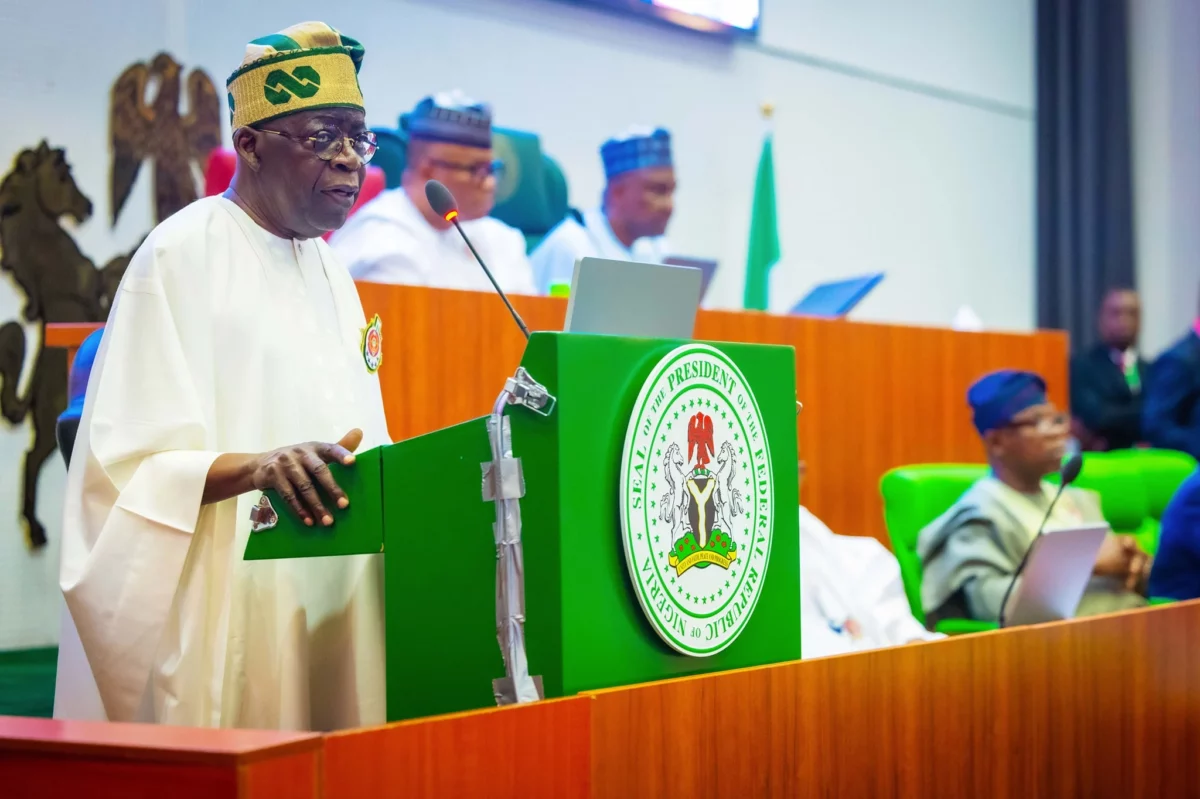
Nigerian officials, however, emphasized the collaborative and non-religious nature of the operation. Foreign Minister Yusuf Tuggar told Channels Television and other outlets that the strikes resulted from months of intelligence-sharing between Abuja and Washington, with President Bola Tinubu granting approval. Tuggar described them as part of “joint ongoing operations” against terrorism, stressing that armed groups target “innocent Nigerians—be they Muslim, Christian, atheist, whatever religion.” He rejected narratives of targeted religious genocide, noting that violence in Nigeria is multifaceted, driven by banditry, resource conflicts, and extremism affecting all communities.
Information Minister Mohammed Idris provided further details, confirming the strikes neutralized ISIS elements in remote forest areas without verified civilian casualties. Local reports from villages like Jabo described explosions causing panic, shaking homes, and scattering debris, but no confirmed non-combatant deaths have emerged. Nigerian police anti-bomb squads secured affected sites.
The strikes follow Trump’s November designation of Nigeria as a “country of particular concern” for religious freedom violations and threats of “guns-a-blazing” action. Defense Secretary Pete Hegseth signaled potential follow-up operations, posting that the Pentagon remains “always ready” to act against ISIS. Analysts from groups like the International Crisis Group note tactical disruption to ISIS Sahel Province (including affiliates like Lakurawa) but caution that airstrikes alone cannot address Nigeria’s complex security challenges, where violence often stems from local grievances rather than purely religious motives.
Data from monitoring organizations like ACLED shows civilian deaths in Nigeria affect Muslims and Christians similarly in many periods, with no evidence of disproportionate targeting of one faith in the northwest strike areas. The operation highlights evolving US-Nigeria military ties but raises questions about sovereignty, narrative framing, and long-term efficacy in combating extremism.
As investigations continue and potential additional strikes loom, the incident underscores tensions between US foreign policy priorities and Nigeria’s insistence on a unified, non-sectarian approach to security.