




SOKOTO, Nigeria — In a dramatic escalation of foreign military involvement in West Africa, United States forces conducted a series of precision airstrikes in Sokoto State late on December 26, 2025. The operation, authorized directly by President Donald Trump, targeted what the US administration described as “terrorist scum” affiliated with ISIS and the Lakurawa group.
While the strikes have been technically deemed a success by military command, the political and social fallout is rapidly spreading across Nigeria. At the heart of the controversy is the US administration’s framing of the intervention as a necessary step to halt a “Christian genocide” a narrative that stands in stark contrast to the demographic reality of the target location.
Christmas Fire in Jabo
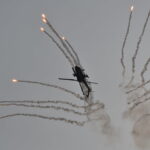
Residents of Jabo, a quiet agrarian community in the Tambuwal Local Government Area of Sokoto State, reported that their Christmas night was interrupted not by festivities, but by the terrifying roar of jet engines and earth-shaking explosions.
“We saw a fire that turned the night into day,” said Sanusi Madabo, a local resident. “We thought the world was ending. We are farmers here; we have never seen such machines.”
The airstrikes, which occurred shortly after midnight, reportedly destroyed a suspected terrorist logistics hub. Debris from the missiles remains scattered across farmlands, turning the village into a spectacle for confused locals and security operatives. While no civilian casualties have been officially confirmed, the psychological toll on the community is evident.
The “Genocide” Narrative vs. Local Reality
The operation has exposed a deep diplomatic rift regarding the interpretation of Nigeria’s security crisis. President Trump took to his social media platform, Truth Social, to celebrate the strikes, explicitly linking them to the protection of Christians in Nigeria.
“We will not stand by while Christians are slaughtered,” the statement read, reinforcing the US decision earlier in 2025 to re-designate Nigeria as a “Country of Particular Concern” regarding religious freedom.
However, security analysts and Northern leaders have been quick to point out the complexities ignored by this narrative. Sokoto is the seat of the Caliphate and a predominantly Muslim state. The victims of banditry and terrorism in the North West are overwhelmingly Muslim villagers who have borne the brunt of the insecurity for over a decade.
“To frame this as a religious crusade is dangerous and factually incorrect,” said a senior aide to the Sokoto State Governor, speaking on condition of anonymity. “The terrorists we are fighting kill without discrimination. Introducing a religious war narrative into the North West could radicalize communities that are currently victims of these bandits.”
Abuja’s Diplomatic Tightrope
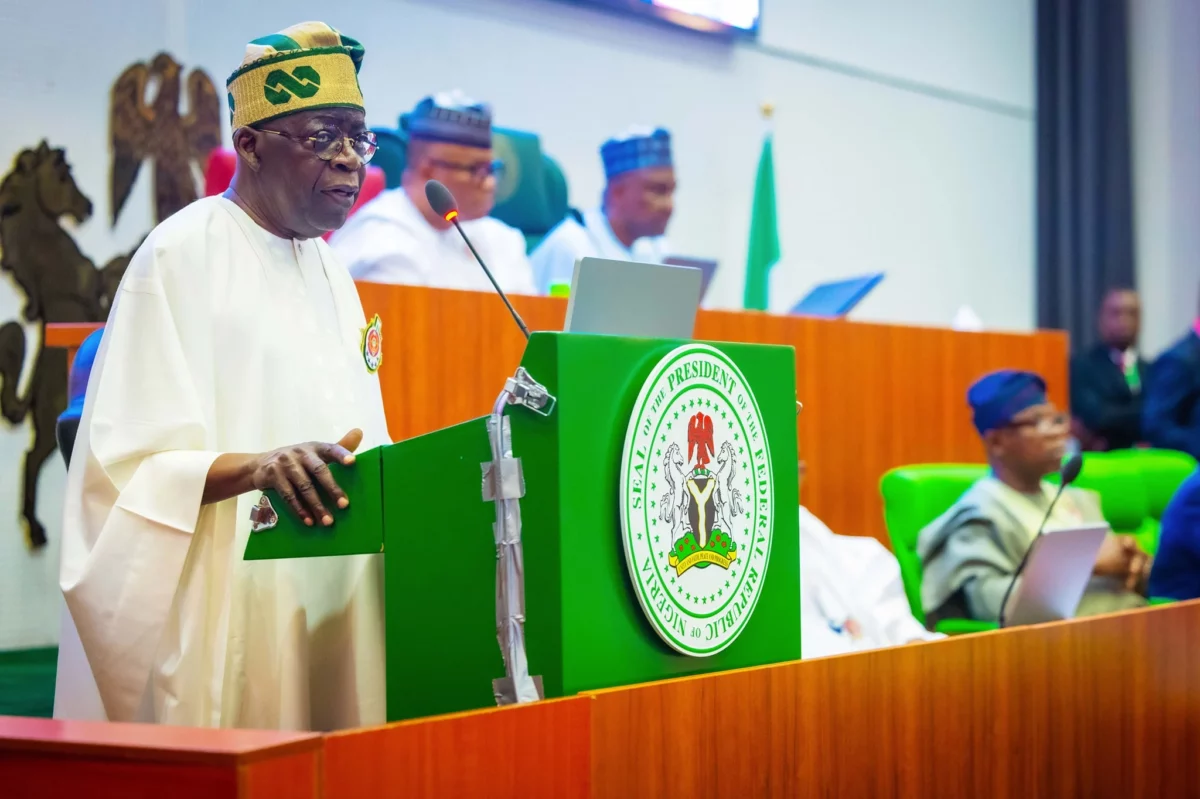
For President Bola Tinubu, the airstrikes represent a double-edged sword. On one hand, the Nigerian military is desperate for advanced technical assistance to crush the resurgence of terror groups like the Lakurawa. On the other, the government must manage the domestic optics of allowing a foreign power to conduct strikes that are being justified with rhetoric that alienates a massive portion of the Nigerian population.
Minister of Foreign Affairs, Yusuf Tuggar, attempted to bridge this gap in a press briefing in Abuja. He characterized the strikes as the fruit of “high-level intelligence sharing” and a testament to the robust partnership between Abuja and Washington. He carefully avoided the religious rhetoric coming from the White House, focusing instead on the shared goal of eradicating terrorism.
A New Phase of Intervention?
This strike marks a significant departure from previous US engagements, which were largely advisory or drone-based surveillance. Direct combat sorties suggest a more aggressive US posture in the Sahel and West Africa, likely driven by domestic American politics as much as strategic security concerns.
As the dust settles in Jabo, the question remains: will this aggressive American intervention quell the insurgency in the North West, or will the controversial narrative accompanying it pour fuel on an already volatile fire?