





ABUJA — The Federal Government of Nigeria and the United States have formalized a massive bilateral health cooperation agreement, marking a strategic shift from traditional aid to a “shared responsibility” model. The Memorandum of Understanding (MoU), signed on December 19, 2025, is the largest co-investment any country has made to date under the new America First Global Health Strategy.
The $5.1 Billion Co-Investment Model
The agreement outlines a five-year financial roadmap running from April 2026 to December 2030. Unlike previous health pacts, this deal emphasizes Nigeria’s transition toward national ownership of its health system.
- U.S. Commitment: The United States intends to provide nearly $2.1 billion in grant funding.
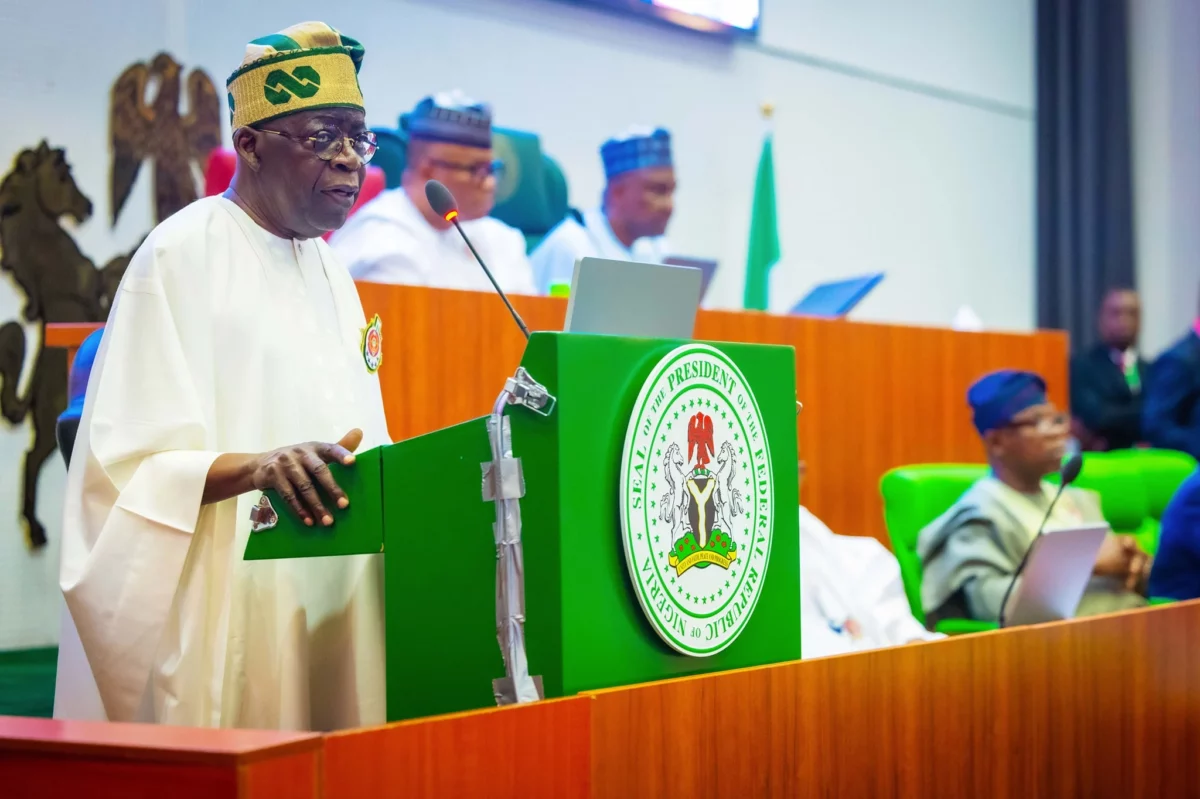
- Nigeria’s Commitment: The Nigerian government has pledged to mobilize $3 billion in new domestic health expenditures. To achieve this, Nigeria will progressively allocate at least 6% of its executed annual Federal and State budgets to health—a commitment already reflected in President Tinubu’s proposed 2026 Appropriation.
Strategic Focus: Seven Areas of Cooperation
Coordinating Minister of Health and Social Welfare, Prof. Muhammad Ali Pate, described the MoU as a technical milestone focused on seven critical pillars:
- Surveillance and Outbreak Response: Improving early detection of infectious diseases.
- Laboratory Systems: Enhancing biosafety and pathogen testing.
- Commodities: Ensuring access to essential health products and vaccines.
- Frontline Healthcare Workers: Providing training and support for the medical workforce.
- Data Systems: Strengthening health information and digital tracking.
- Strategic Investment: Attracting private sector funding.
- Technical Assistance: Building long-term institutional capacity.
Focus on Faith-Based Healthcare & Religious Protection
A unique and significant component of the MOU is the dedicated support for Christian faith-based healthcare providers.
- Funding: Approximately $200 million is earmarked specifically to strengthen more than 900 Christian clinics and hospitals across the country.
- Context: These facilities currently serve over 30% of Nigeria’s population, particularly in underserved rural areas.
- Religious Freedom Link: The U.S. State Department noted that the agreement was negotiated alongside Nigerian reforms to prioritize the protection of Christian populations from extremist violence. The U.S. retains the right to pause programs if progress in combating religiously motivated violence is not sustained.
A “Trade-Not-Aid” Pivot
Prof. Pate emphasized that this MoU is designed to reduce Nigeria’s dependence on external grants over time. “This partnership reflects our firm commitment to domestic investment and long-term sustainability,” he said. The goal is a health system capable of detecting and treating threats like HIV/AIDS, Tuberculosis, and Malaria while expanding affordable primary care to all 230 million Nigerians.