







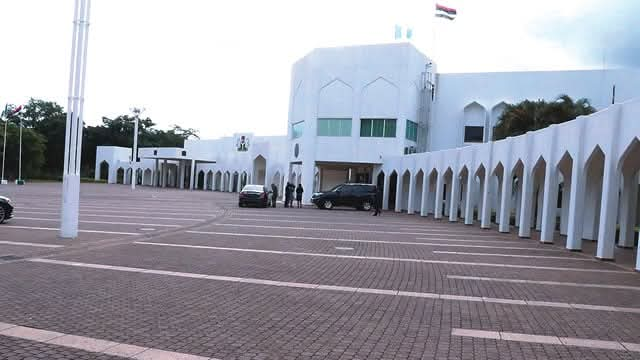
The Presidential Villa, Aso Rock, is expected to disconnect completely from Nigeria’s national electricity grid by March 2026 as the government moves forward with its solar power project, the State House Permanent Secretary, Temitope Fashedemi, has announced.
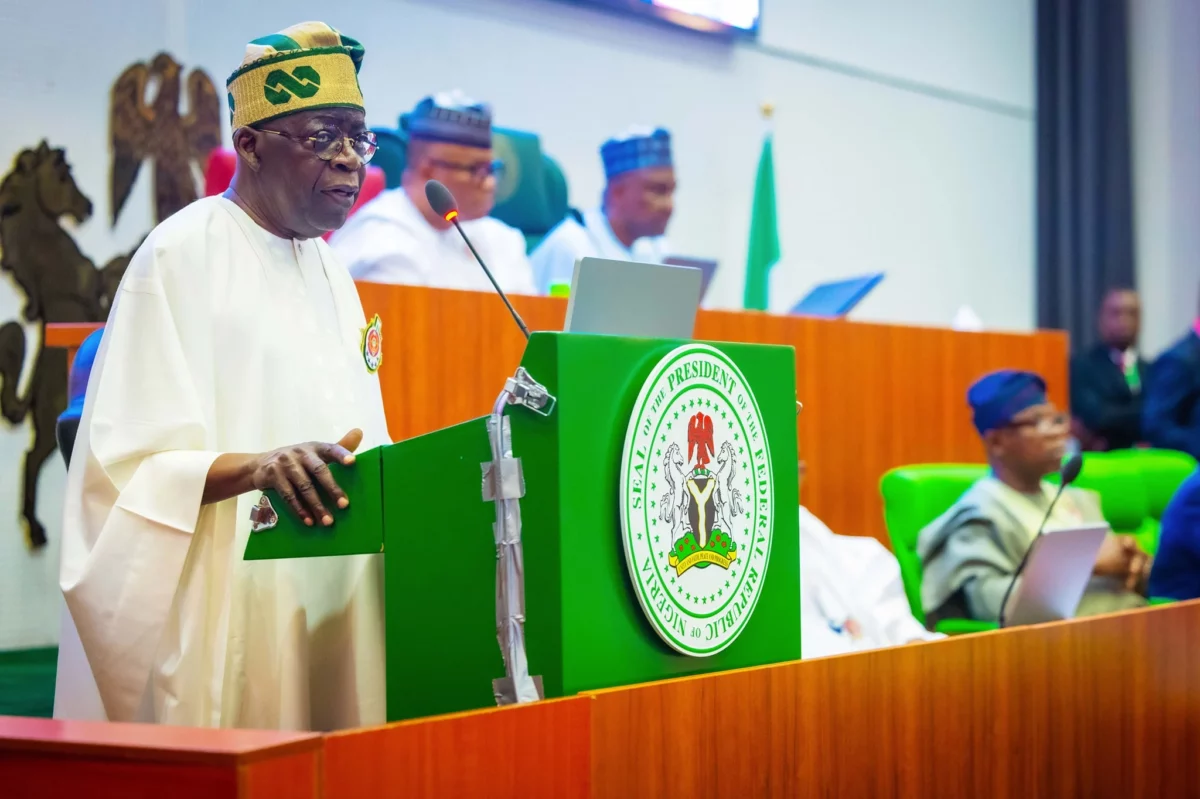
Fashedemi disclosed this on Wednesday while presenting the State House 2026 budget before the Senate Committee on Special Duties at the National Assembly in Abuja. Details of the session were later shared with State House correspondents by the Presidency.
According to him, the installation of the solar power system was completed late in 2025 and has been undergoing testing since December. He expressed confidence that the Villa would transition fully to the new power source within the next few weeks, noting that the project is expected to significantly reduce government spending on electricity.
Fashedemi cited the State House Medical Centre as evidence of the project’s effectiveness. He explained that the facility switched to solar power in May 2025 and has since operated without relying on generators. He added that only about three per cent of the centre’s power supply came from the Abuja Electricity Distribution Company, while the remaining energy was generated from solar panels and battery storage.
The Federal Government allocated N10 billion in 2025 for the solar mini-grid project at the Presidential Villa. However, the initiative attracted criticism from some Nigerians who argued that installing solar power at Aso Rock suggested the government’s inability to resolve the country’s persistent electricity challenges. The 2026 budget proposal includes an additional N7 billion for the project.
Defending the initiative earlier, the Director-General of the Energy Commission of Nigeria, Mustapha Abdullahi, stated that maintaining the Villa’s electricity supply through conventional sources was financially unsustainable, citing an estimated annual electricity cost of N47 billion. Similarly, the President’s Special Adviser on Information and Strategy, Bayo Onanuga, pointed out that the White House also utilises solar energy, describing the move as a practical and modern solution.
Before adopting solar energy, the Presidential Villa had accumulated significant electricity debt. In February 2024, AEDC listed the State House among major government debtors with an outstanding bill of N923.87 million. After reconciliation, the figure was reduced to N342.35 million, which President Bola Tinubu ordered to be paid immediately.
Fashedemi also revealed that testing of the solar system uncovered cases of overbilling by AEDC, alleging that some transformers were charging for electricity that was not supplied. He said the government is using the testing period to resolve the discrepancies and reconcile outstanding liabilities.
He further stated that the solar transition would eliminate the need for the Villa’s ageing generators, which were installed when the complex was built. However, he noted that a few generators may be retained for emergency backup, expressing confidence that the solar infrastructure would meet the Villa’s energy needs.
Meanwhile, Chairman of the Senate Committee on Special Duties, Senator Kaka Lawan, criticised the N127 million allocation for sport utility vehicles in the State House budget, describing it as insufficient. He argued that the amount could not purchase even a fairly used bulletproof vehicle and warned against a situation where visiting heads of state would be transported in substandard vehicles.
Lawan directed the Budget Office of the Federation to review the allocation upward. He also commended the State House for promptly appearing before the committee, urging other government agencies to follow the same example.