

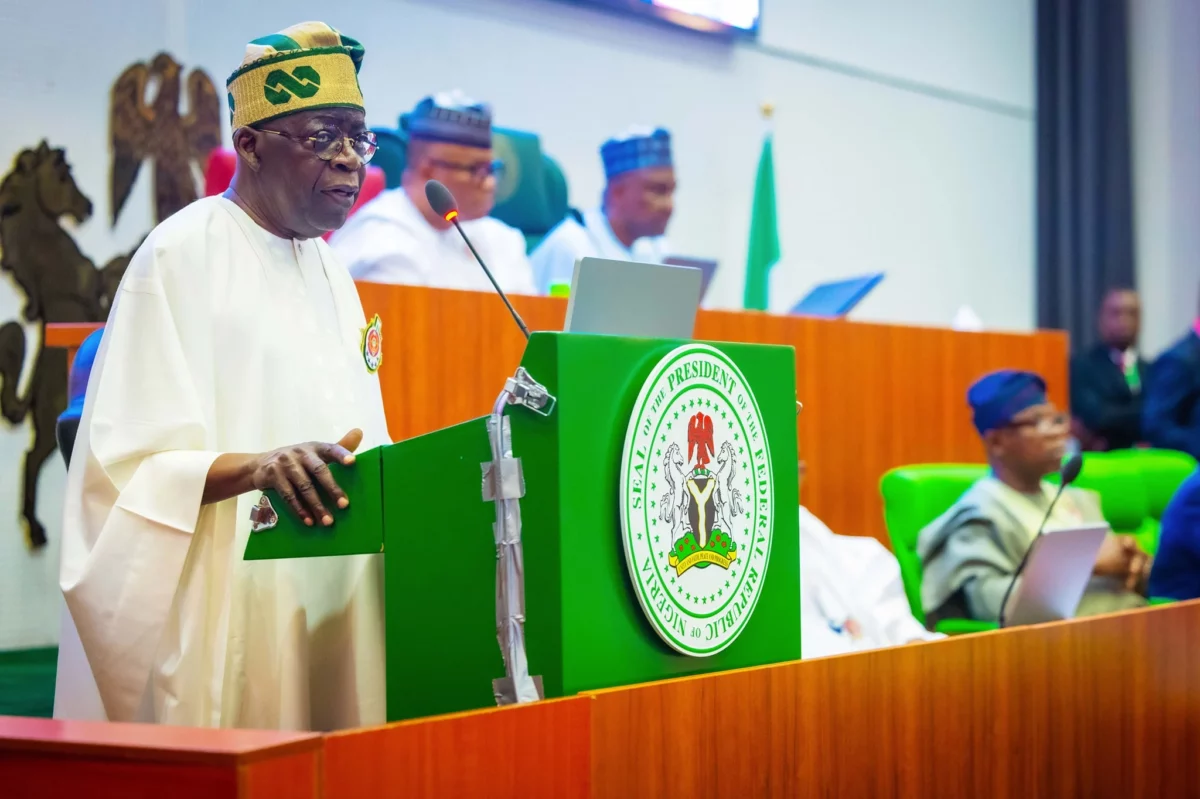



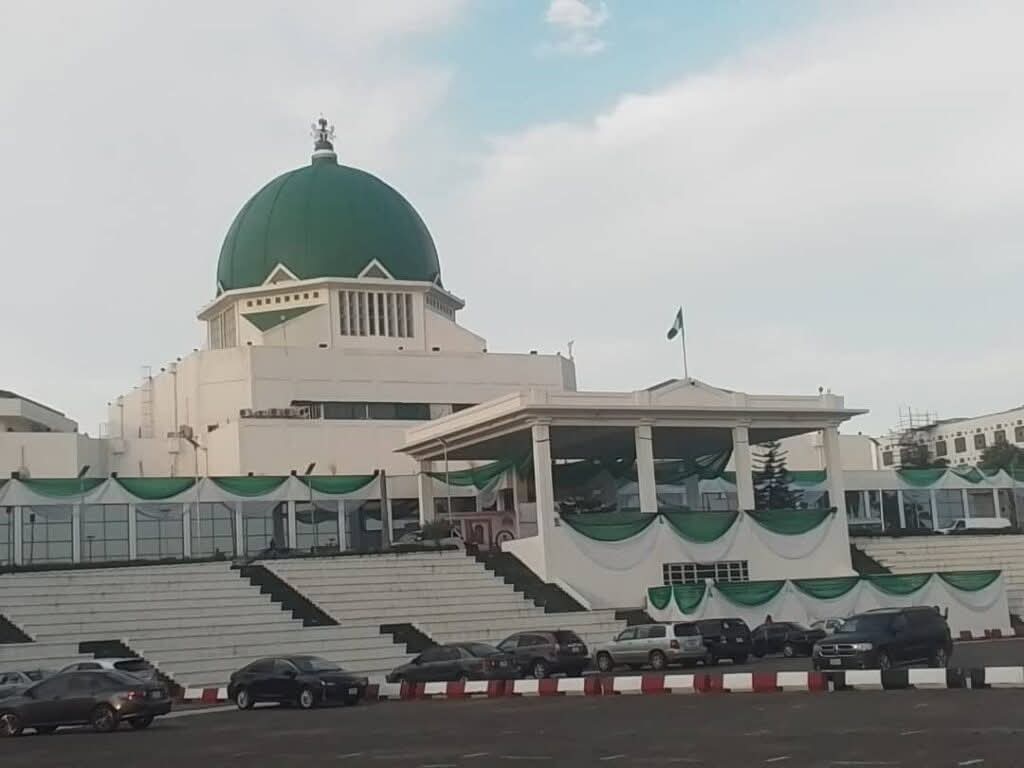
The National Assembly is set to reconvene on Tuesday, February 17, 2026, cutting short its recess amid strong indications that lawmakers will consider altering the date of the 2027 presidential election.
Investigations revealed that legislators are weighing a proposal to move the presidential poll from February 20 to February 13, 2027.
In a notice issued on Sunday, the Clerk to the National Assembly, Kamoru Ogunlana, directed senators and members of the House of Representatives to resume plenary at 11 a.m., urging them to adjust their schedules as “very crucial decisions” are expected.
According to the notice, both chambers will sit simultaneously and members are required to attend.
However, sources within the legislature told The PUNCH that the recall is primarily to address concerns surrounding the 2027 election timetable as contained in the Electoral Act amendment.
One senator, who spoke on condition of anonymity, described the session as extraordinary, explaining that the goal is to provide legislative backing to the request by the Independent National Electoral Commission to reconsider the February 20 date, which falls within the Ramadan fasting period.
“If all goes as planned, the presidential election may be shifted to February 13,” another source disclosed.
Lawmakers said the move is aimed at ensuring inclusivity and enabling Nigerians of all faiths to participate fully in the electoral process.
The development follows recent controversy over amendments to the Electoral Act (Repeal and Re-enactment) Amendment Bill, 2026. Last week, the Senate approved electronic transmission of results to INEC’s Result Viewing Portal (IReV) but retained manual collation as a fallback where technology fails.
The amendment sparked nationwide protests, with critics demanding compulsory real-time transmission of results. While the Senate endorsed electronic transmission, it declined to make real-time uploads mandatory.
Under the revised provision, presiding officers must electronically transmit polling unit results after voting and documentation. Where this is not feasible due to network issues, the manual Form EC8A will serve as the basis for collation and declaration.
Senate President, Godswill Akpabio, urged dissenting lawmakers to formally challenge the amendment during plenary.
Meanwhile, a Joint National Assembly Conference Committee is expected to meet to harmonise differences between the Senate and House versions of the Electoral Amendment Bill before transmitting the final document to President Bola Tinubu for assent. The panel has been given one week to resolve contentious provisions.
INEC had earlier scheduled the presidential and National Assembly elections for Saturday, February 20, 2027, and governorship and state assembly polls for March 6, 2027. However, Muslim groups, including the Muslim Rights Concern, objected to the February 20 date, citing its overlap with Ramadan.
Former presidential candidate Atiku Abubakar also called for a review, noting that February 20 falls squarely within the Ramadan period.
In response, INEC said it is consulting stakeholders and may seek legislative intervention where necessary, while ensuring compliance with constitutional and statutory requirements.
The push to adjust the election date builds on earlier proposals by lawmakers to hold the 2027 elections months ahead of schedule to allow election petitions to be concluded before the May 29 handover date. Draft amendments also seek to shorten timelines for tribunal and appellate court decisions and introduce early voting for security personnel, INEC officials, journalists and observers.
On Sunday, Senate Leader Opeyemi Bamidele defended the removal of the “real-time” transmission clause from the amendment, citing infrastructural challenges. He referenced data showing limited broadband penetration and inadequate power supply, arguing that making real-time transmission mandatory could create avoidable crises.
With plenary resuming this week, attention will focus on whether lawmakers formally approve a new presidential election date and finalise amendments that could shape the credibility and inclusiveness of the 2027 general elections.