






The Nigerian community in South Africa has expressed renewed concerns over a June 30 ultimatum reportedly issued by anti-immigration groups, warning that Nigerians and other foreign nationals could face increased harassment, attacks, and destruction of property if preventive measures are not taken.
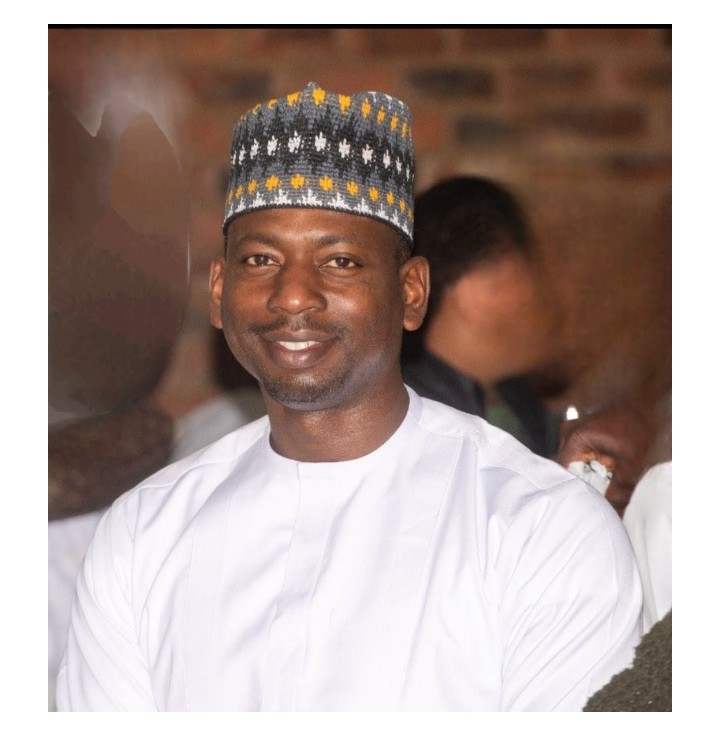
The alarm was raised by the Chairman of the Board of Trustees of the Nigeria Union South Africa (NUSA), Ekos Akpokabayen, who urged the Nigerian government to engage South African authorities and take proactive steps to prevent a possible escalation of tensions.
In a statement released in Johannesburg, Akpokabayen clarified that the deadline was not imposed by the South African government but by anti-foreign groups whose activities have heightened anxiety among migrant communities across the country.
He cautioned that such developments could create opportunities for criminal elements to exploit the situation, leading to attacks on foreign nationals and their businesses.
According to him, preventing potential violence is critical, noting that previous incidents of xenophobic unrest in South Africa resulted in widespread looting, destruction of businesses, and loss of livelihoods among foreign residents.
Akpokabayen called on the Nigerian Mission in South Africa to closely monitor developments and maintain regular communication with Nigerian community leaders nationwide. He said timely information sharing would help keep Nigerians informed about security measures and unfolding events.
He also advised Nigerians living in South Africa to remain peaceful, vigilant, and law-abiding while supporting one another during the period of uncertainty. He expressed confidence that sustained diplomatic engagement between Nigeria and South Africa could help prevent any breakdown of law and order and ensure the safety of all residents regardless of nationality.
The warning comes amid concerns over delays affecting the voluntary repatriation of Nigerians who have indicated a desire to return home.
Speaking from Pretoria, NUSA President Smart Nwobi disclosed that about 300 Nigerians scheduled to depart South Africa on June 15 were unable to travel after their flight was reportedly cancelled due to technical reasons.
Nwobi explained that the affected individuals had gathered at the Nigerian Mission in Pretoria ahead of their departure before being informed of the cancellation.
Seeking clarification, NUSA approached mission officials to understand the nature of the technical issues, particularly as many of the passengers were left stranded.
He added that information available to the union suggested that Air Peace, the airline expected to transport the evacuees, may not have received the necessary payment for the operation.
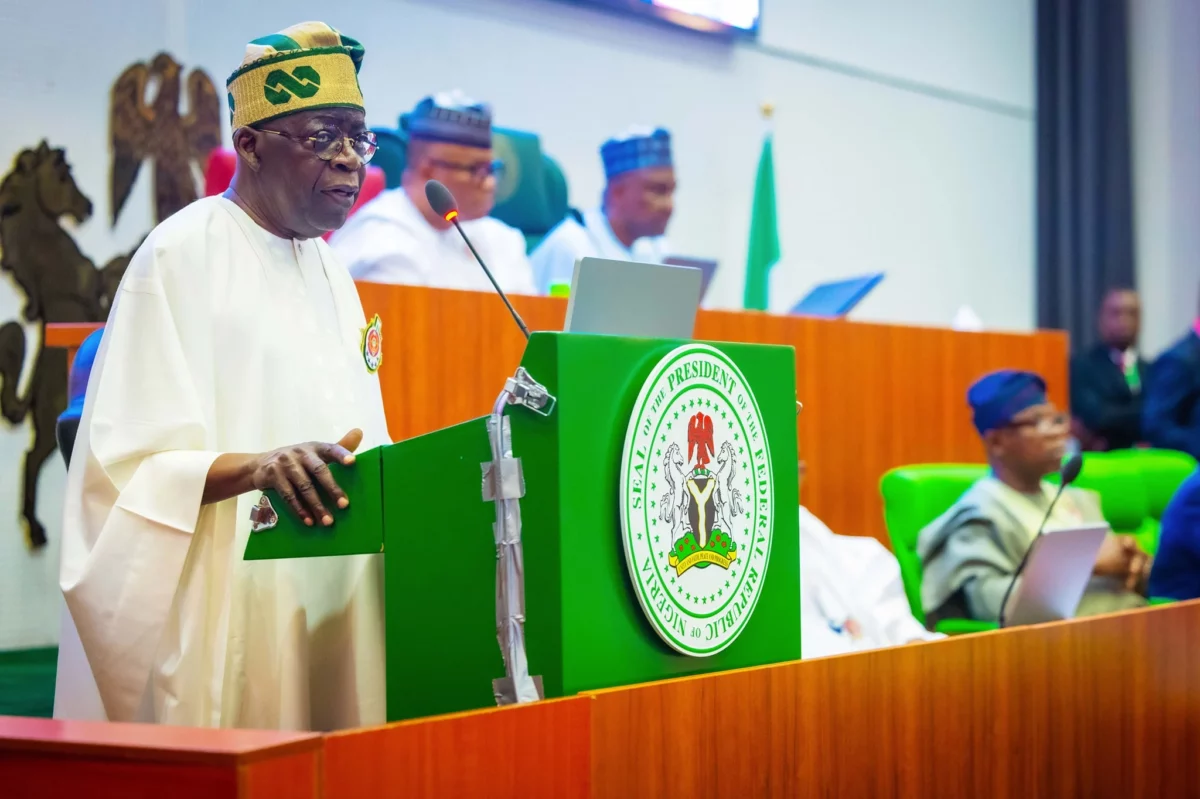
Nwobi appealed to President Bola Tinubu to intervene and resolve the challenges delaying the evacuation process. He noted that the President had earlier approved five chartered flights to facilitate the return of Nigerians willing to leave South Africa.
According to him, the issue has attracted international attention and requires urgent action, especially with the June 30 deadline approaching.
He explained that many Nigerians cleared for repatriation remain stranded due to uncertainty surrounding the rescheduling of the cancelled flight. The affected group represents the second batch of evacuees under the planned five-flight operation.
To assist those affected, NUSA and other community organisations have provided temporary support. Nwobi said the union successfully persuaded the Nigerian Mission to open the Nigerian House to accommodate some stranded passengers, while several state associations also offered shelter to others.
He recalled that 275 Nigerians had already returned to Nigeria during the first phase of the evacuation exercise, while more than 1,000 people are expected to be repatriated through the remaining chartered flights.
South Africa has experienced several episodes of xenophobic violence over the years, with migrants often accused of taking jobs, contributing to crime, and placing pressure on public services. Nigerians, alongside migrants from countries such as Zimbabwe, Mozambique, Malawi, and Somalia, have frequently been among those affected.
Major outbreaks of xenophobic violence in 2008, 2015, and 2019 resulted in deaths, injuries, and widespread destruction of foreign-owned businesses. The 2019 attacks particularly strained diplomatic relations between Nigeria and South Africa, prompting the evacuation of hundreds of Nigerians.
Although both countries subsequently strengthened diplomatic cooperation on migration, security, and consular matters, recent anti-immigration campaigns by some groups have reignited fears among migrant communities. Many residents remain concerned that the June 30 deadline, despite not being an official government directive, could fuel hostility and trigger renewed attacks against foreign nationals.