











The Nigerian Senate has passed the Electoral Act (Repeal and Re-enactment) Bill, 2026, preserving electronic transmission of election results while rejecting a mandatory real-time upload requirement.
The decision followed days of intense deliberations, culminating in Tuesday’s plenary session after earlier closed-door meetings and procedural reconsiderations.
At the heart of the debate was Clause 60(3), which addresses the counting and transmission of votes. The approved provision mandates that presiding officers electronically transmit results from each polling unit to the Independent National Electoral Commission’s IReV portal after Form EC8A has been duly signed and stamped. However, where electronic transmission fails due to network issues, the physical Form EC8A will serve as the primary basis for collation and declaration of results.
The clause generated sharp divisions among lawmakers, particularly over the role of manual collation in areas with poor network coverage.
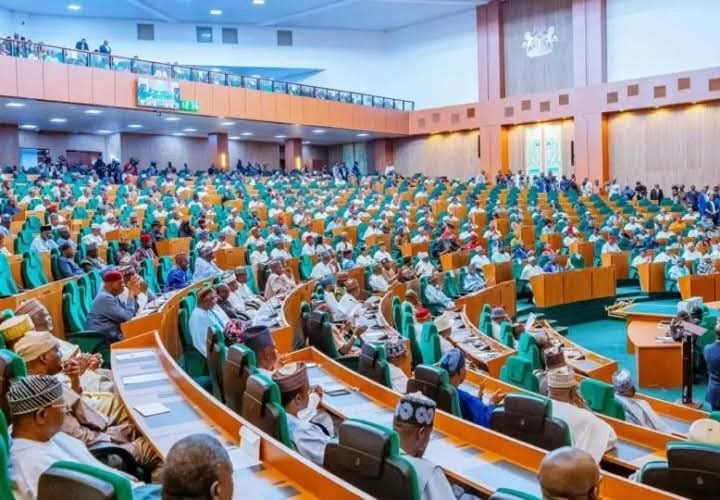
During plenary, Senator Enyinnaya Abaribe (PDP, Abia South) invoked Order 72 to challenge the proviso allowing manual backup. In the subsequent vote, 55 senators supported the provision, including members of the APC and three minority lawmakers—Olalere Oyewumi (PDP, Osun), Wadada Aliyu (SDP, Nasarawa), and Amos Yohanna (PDP, Adamawa). Sixteen senators voted against it, opposing reliance on manual procedures.
Reopening the Bill
The final passage came after the Senate rescinded its earlier approval of the bill on February 10, 2026. Lawmakers revisited the legislation amid concerns that the proposed 2027 general election date could coincide with the Ramadan fasting period.
A motion sponsored by Senator Michael Opeyemi Bamidele (Ekiti Central) sought to recommit the bill to the Committee of the Whole for technical corrections and timeline adjustments. The key amendments included shifting the 2027 elections from February 20 to February 13 and correcting inconsistencies across multiple clauses.
Clause-by-Clause Re-enactment
Invoking Order 52(6) of the Senate Standing Rules, the Senate dissolved into the Committee of the Whole, repealed Clauses 1–156 of the 2022 Electoral Act, and carried out a clause-by-clause re-enactment.
Senator Simon Lalong, Chairman of the Senate Committee on Electoral Matters, explained that while the law strengthens electronic transmission to INEC’s IReV portal, it also provides a manual safeguard to ensure transparency in areas with limited connectivity.
He said the amendments aim to enhance electoral integrity and reinforce public confidence in Nigeria’s democratic process.
Harmonisation Deadlock and House Protest
The bill’s passage was preceded by a deadlock in the Conference Committee tasked with harmonising differences between the Senate and the House of Representatives, particularly over Clause 60(3).
Tensions spilled over in the House, where some lawmakers staged a walkout during a closed-door session, accusing the ruling party of diluting the previously agreed real-time transmission provision. The House had initially supported mandatory real-time uploads of results, a position that clashed with the Senate’s more flexible framework.
Key Provisions of the Electoral Act 2026
The newly passed Act provides for:
- Electronic transmission of results from polling units to the IReV portal.
- Recognition of Form EC8A as the official record and fallback source where electronic transmission fails.
- Adjustment of the 2027 election date to February 13 to avoid overlap with Ramadan.
The legislation is seen as pivotal in shaping the framework for Nigeria’s 2027 general elections, striking a balance between technological advancement and practical safeguards for areas facing infrastructural challenges.
Further reactions from lawmakers, INEC officials, and civil society groups are expected in the coming days.