



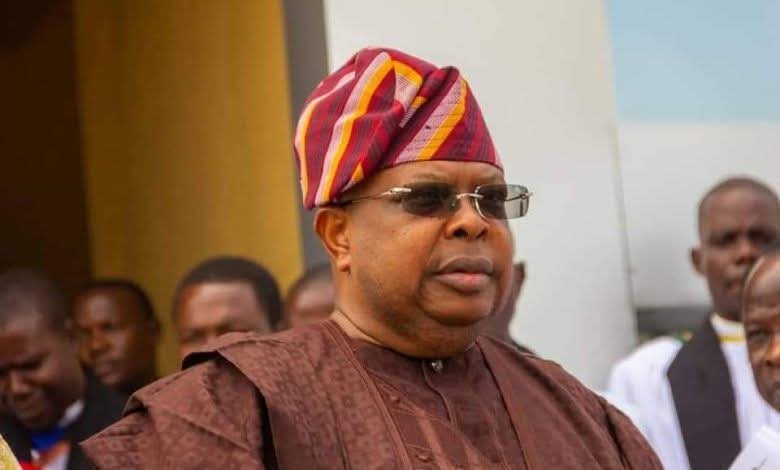
The newly confirmed Minister of Power, Olasunkanmi Tegbe, has pledged decisive action to end Nigeria’s persistent national grid collapses, unstable electricity supply, and widespread vandalism of power infrastructure, warning that he should be held responsible if the situation does not improve.
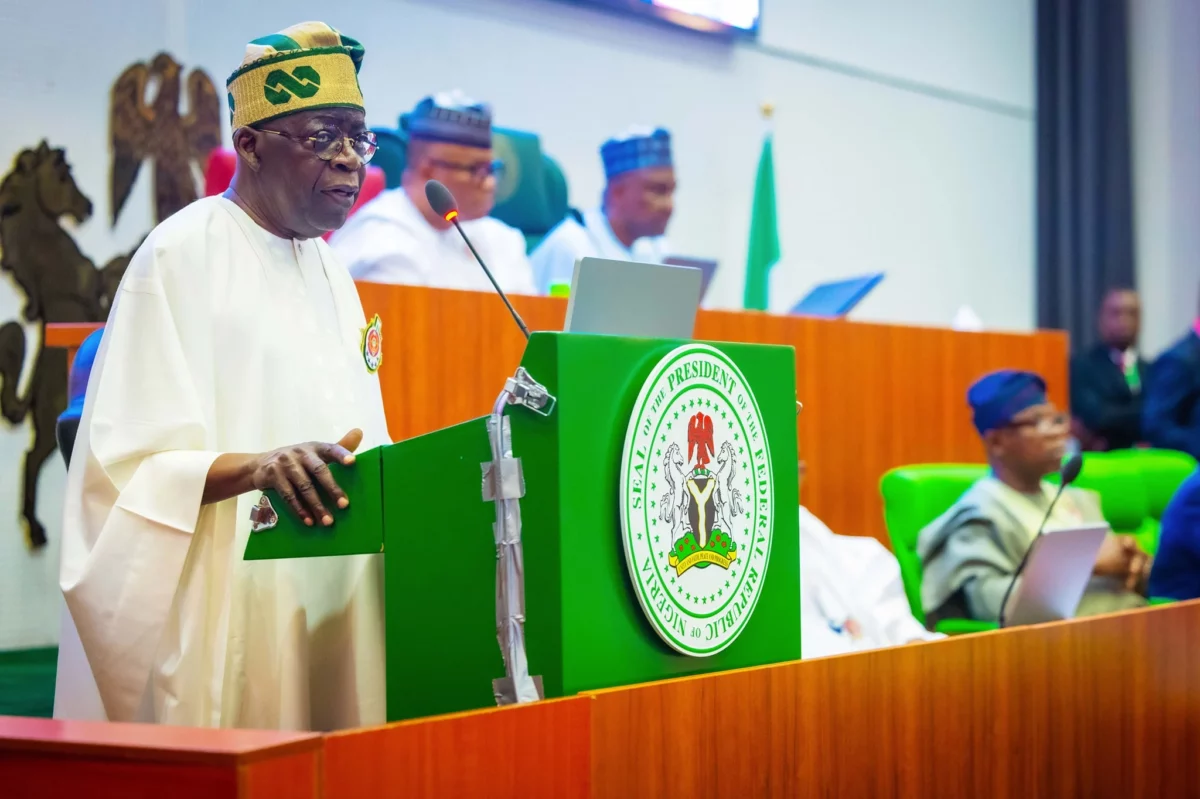
Tegbe gave the assurance on Wednesday during his screening and confirmation by the Senate in Abuja, where lawmakers interrogated him extensively on the challenges plaguing the power sector.
His confirmation followed a rigorous session presided over by Senate President , with senators demanding clear timelines, measurable reforms, and a credible roadmap to restore stability and investor confidence in the electricity industry.
Lawmakers expressed deep concern over the recurring collapse of the national grid, weak transmission infrastructure, and a mounting liquidity crisis estimated in trillions of naira. They warned that Nigerians were increasingly impatient with repeated assurances without tangible results.
Senator Mohammed Tahir Monguno (Borno North) described the situation as unacceptable, noting that transmission inefficiencies continue to prevent effective evacuation of generated electricity, while insecurity in parts of the North-East has worsened infrastructure damage.
In his response, Tegbe acknowledged that the crisis is structural rather than incidental, attributing it to weak coordination, poor enforcement of standards, and inadequate gas supply.
He stressed that “grid collapse is not accidental,” but a reflection of deeper systemic failures.
The minister pledged a 100-day reform plan aimed at stabilising the grid, alongside the introduction of a public performance dashboard to ensure transparency and accountability.
“If there are no results in three months, there will be none in six. Nigerians should hold us accountable,” he said.
Tegbe also vowed to confront sabotage within the sector, alleging that some entrenched interests benefit from the system’s inefficiencies.
On infrastructure vandalism, he described it as a national security threat and promised stronger collaboration with security agencies, including the Office of the National Security Adviser and the military.
He further acknowledged the sector’s estimated ₦6 trillion liquidity crisis, describing the current financial structure as unsustainable. While supporting tariff reforms that reflect market realities, he stressed the need to protect vulnerable consumers.
“Electricity pricing must reflect market realities, but affordability is essential,” he said.
Lawmakers, including Senator Tokunbo Abiru (Lagos East), demanded clear timelines for achieving stable electricity supply, while Senator Orji Uzor Kalu (Abia North) criticised the fragmentation of the power value chain, saying it has worsened inefficiency.
Tegbe assured the Senate that reforms would focus on stronger coordination across generation, transmission, and distribution, improved gas supply, accelerated metering to reduce estimated billing, and expanded renewable energy access.
Deputy Senate President described the power sector as Nigeria’s biggest barrier to economic growth, insisting that Nigerians expect results, not promises.
Despite intense scrutiny, senators expressed cautious optimism about Tegbe’s capacity to drive reform, citing his structured proposals and readiness to be held accountable.
In his closing remarks, Tegbe reiterated his commitment to measurable progress, saying disciplined execution and collaboration would be key to delivering long-awaited stability in the sector.
The Senate’s unanimous confirmation now places him at the centre of efforts to address one of Nigeria’s most persistent infrastructure challenges.