






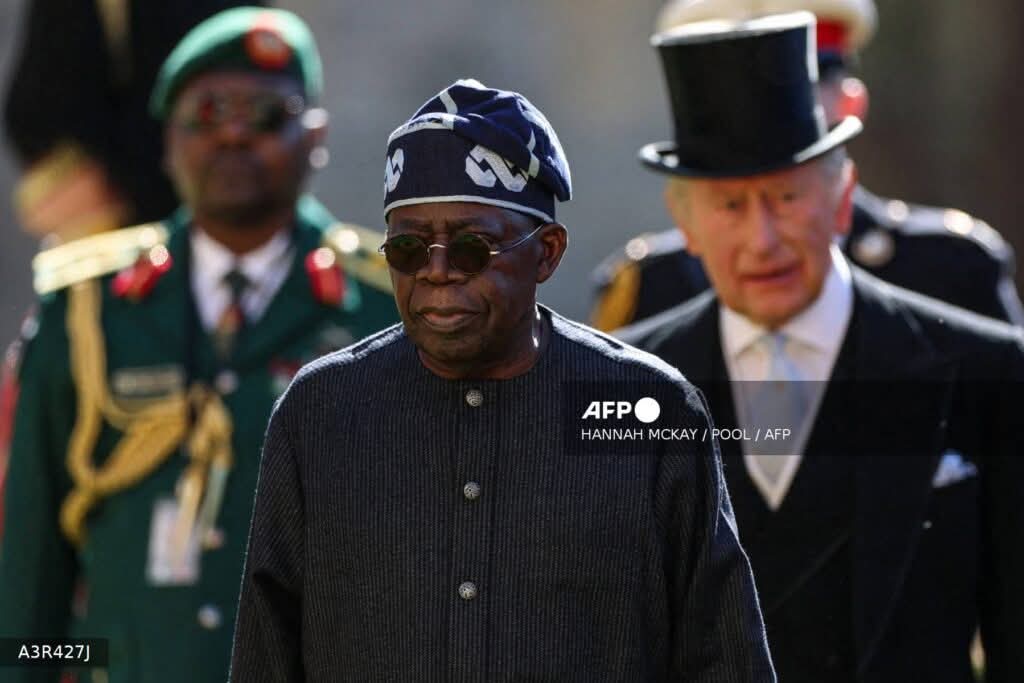
The Presidency has responded to criticisms by former Labour Party presidential candidate, , over President ’s foreign trips and Nigeria’s delegation to the African CEO Forum in Rwanda, accusing Obi of prioritising “populism over facts.”
Obi had argued that diplomacy should not be reduced to ceremonial appearances or symbolic engagements, insisting that foreign trips must deliver measurable economic benefits for ordinary Nigerians.
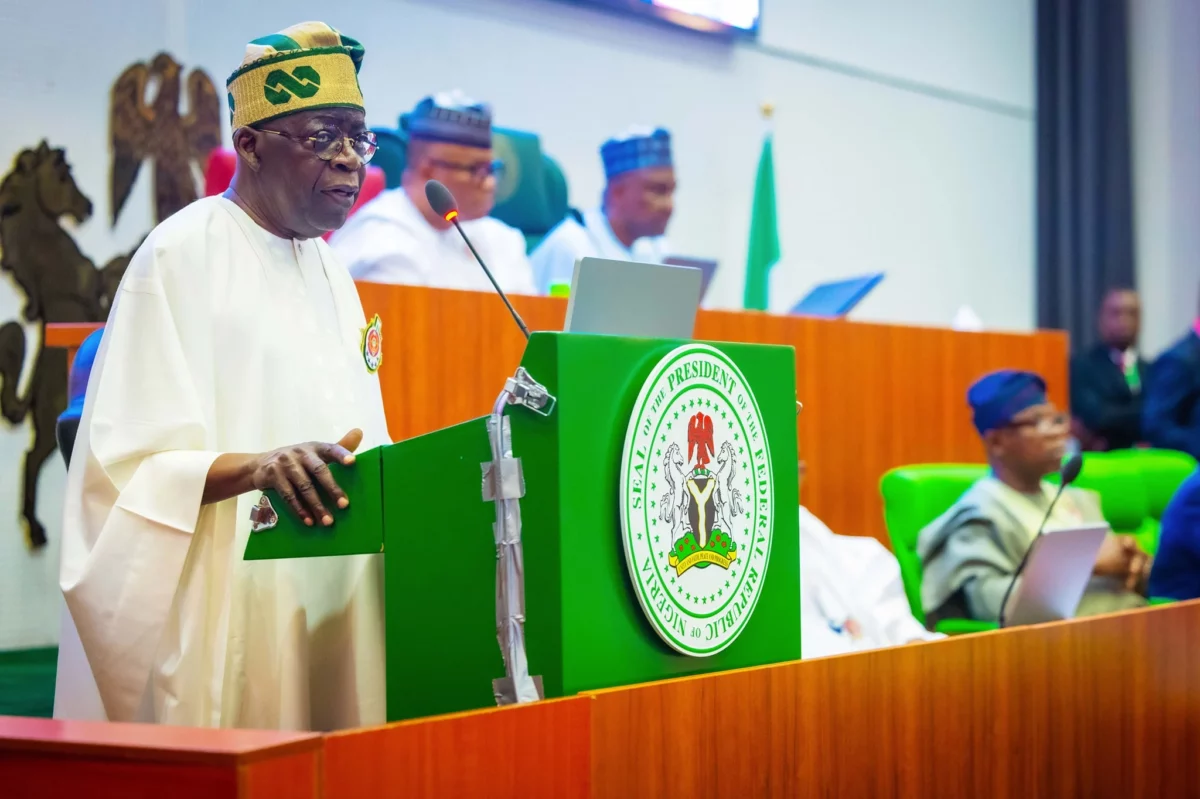
Reacting on Saturday, the Presidency, through the Special Assistant to the President on Social Media, Dada Olusegun, defended the administration’s participation at the Kigali forum and the broader foreign engagements of President Tinubu.
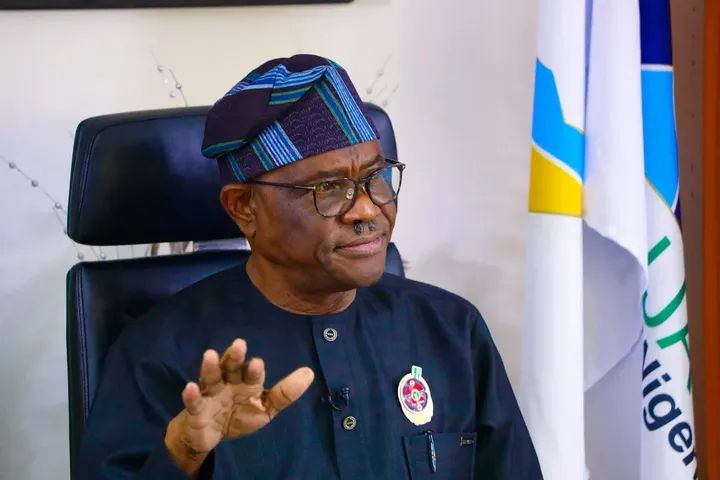
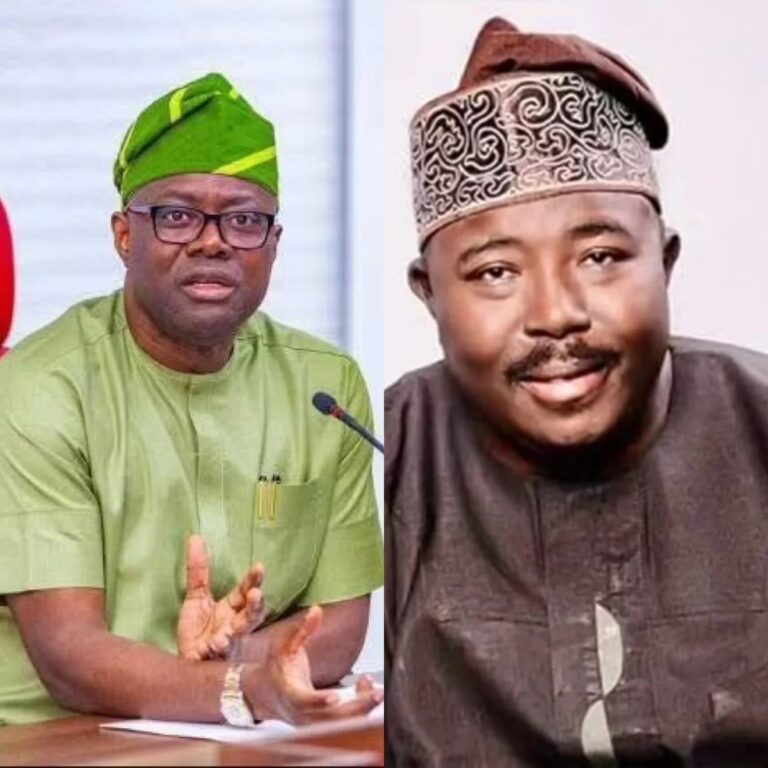
According to the statement, Nigeria’s delegation to the African CEO Forum included some of the country’s leading business figures, among them , , , and .
The Presidency maintained that the presence of top industrialists demonstrated the seriousness of Nigeria’s engagement at the forum, stressing that diplomatic visits are aimed at attracting investment, strengthening trade ties and boosting investor confidence.
It added that diplomacy should not be judged solely by public ceremonies or media optics, arguing that strategic discussions, security cooperation and long-term economic positioning are often more important outcomes of international engagements.
Defending Tinubu’s overseas trips, the Presidency said the administration had already secured investment commitments across sectors such as energy, technology, agriculture, manufacturing and solid minerals through sustained diplomatic outreach.
The statement also highlighted some of the government’s policy reforms, including the removal of fuel subsidy, foreign exchange unification, expansion of student loan schemes, increased allocations to states and initiatives targeting compressed natural gas adoption, food security and manufacturing support.
The Presidency further dismissed comparisons between Nigeria’s diplomatic style and that of the United States, saying both countries operate under different economic realities and levels of global influence.
It also rejected criticisms over the size of presidential delegations and travel arrangements, insisting that such movements are tied to constitutional, diplomatic and security obligations.
The statement concluded with a swipe at Obi’s political history, referencing his movement across political parties while urging him to be more measured in his comments on governance and national stability.