










Nigeria has moved a step closer to establishing state police following the Senate’s approval of a constitutional amendment bill seeking to decentralise policing across the country.
The landmark legislation, passed on Wednesday with the required two-thirds majority, proposes the creation of state-controlled police services that would operate alongside the existing Nigeria Police Force. The bill now awaits consideration by the 36 state Houses of Assembly, with at least 24 required to endorse it before it can be transmitted to President Bola Tinubu for assent.
The development marks one of the most significant constitutional reform efforts since Nigeria returned to democratic rule in 1999 and comes amid growing concerns over terrorism, banditry, kidnapping, communal clashes and other security threats nationwide.
Under the proposed amendment, governors would have the authority to appoint Commissioners of Police for their states, subject to confirmation by state legislatures. While the Inspector-General of Police would continue to head the federal police, each state police service would be led by its own commissioner.
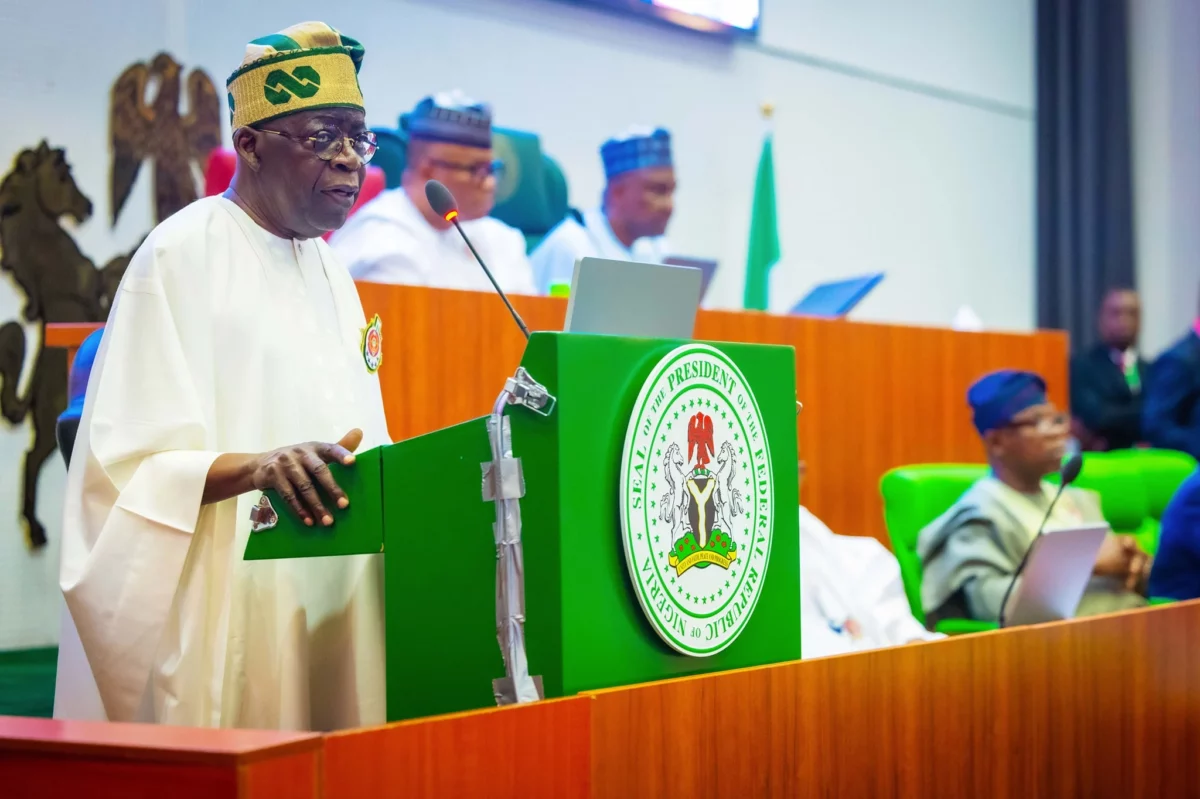
Presenting the bill, Senate Leader Opeyemi Bamidele said the framework was designed to balance local policing autonomy with national unity. He explained that state police would handle enforcement of state laws, crime prevention, public safety and community security, while the federal police would retain responsibility for counter-terrorism, cybercrime, border security, organised crime and other national security matters.
The bill also outlines circumstances under which federal authorities can intervene in state security operations, including a breakdown of public order, threats to national security, serious human rights violations, or situations where state police become incapable of functioning. Such intervention would require presidential approval and remain subject to Senate oversight and judicial review.
To address fears that governors could misuse state police for political purposes, lawmakers included safeguards in the proposed amendment. One provision bars state police commissioners from arresting, detaining or investigating individuals solely for criticising the government unless such actions are backed by law.
The National Assembly would also retain powers to establish minimum standards for recruitment, training, discipline, accountability, use of force and other operational procedures for state police services.
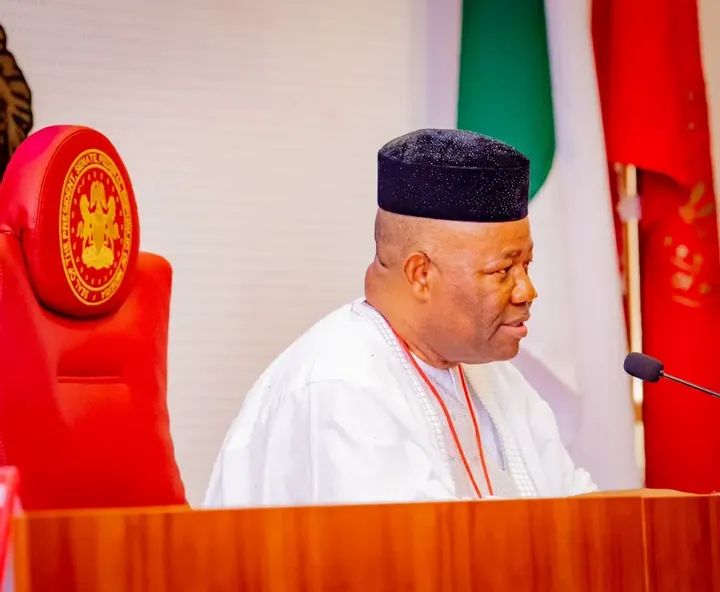
The Senate adopted manual voting during the exercise after technical issues affected electronic voting devices. Senate President Godswill Akpabio backed the move, arguing that public voting would enhance transparency and allow constituents to know where their representatives stood on the issue.
Several top government officials and governors observed the proceedings, including Kaduna State Governor Uba Sani, Ogun State Governor Dapo Abiodun, Ondo State Governor Lucky Aiyedatiwa and Chief of Staff to the President, Femi Gbajabiamila.
Outside the National Assembly, the proposal received support from retired Assistant Inspector-General of Police Tunji Alapinni, who described state policing as a necessary step toward improving grassroots security and reviving community-based intelligence gathering.
Similarly, the Western Nigeria Security Network, Amotekun, welcomed the development, saying the South-West region is prepared for a smooth transition to state policing. Amotekun commanders argued that their experience over the past six years demonstrates the effectiveness of community-based security structures in combating crime.
Former Ondo State House of Assembly Speaker Jumoke Akindele also cited the success of Amotekun as evidence that state police can work effectively in Nigeria.
The Director-General of the Development Agenda for Western Nigeria Commission, Seye Oyeleye, described the Senate’s approval as a major milestone toward strengthening security and advancing true federalism. He noted that Nigeria’s centralised policing system is increasingly inadequate for a population exceeding 230 million people and argued that state police would improve security presence in underserved communities.
Despite the growing support, critics continue to express concerns that state police could be abused by state governments. However, supporters insist that constitutional safeguards and oversight mechanisms can prevent misuse.
The bill now faces its next crucial hurdle at the state assemblies, where the approval of at least 24 legislatures will determine whether Nigeria finally adopts a decentralised policing system after decades of debate.