









The Independent National Electoral Commission (INEC) has uploaded 87.03 per cent of the results from the ongoing Ekiti State governorship election to its Result Viewing (IReV) Portal.
Data available on the portal showed that results from 2,128 of the 2,445 polling units where voting was conducted had been uploaded as of the latest update.
INEC also disclosed that 188 polling units, representing 7.69 per cent of the total, experienced delays during the voting process, although the issues were described as minor.
In a statement posted on its official X account, the commission said all 2,445 polling units were successfully opened for the election, with 2,257 polling units (92.31 per cent) commencing operations before 8:30 a.m.
According to INEC, the remaining 188 polling units opened before 10:30 a.m. after experiencing slight delays.
“Voting has officially ended in most polling units across Ekiti State following the close of polls at 2:30 p.m. Earlier in the day, all 2,445 polling units were successfully opened for the governorship election. A total of 2,257 polling units (92.31%) opened on schedule before 8:30 a.m., while 188 polling units (7.69%) experienced minor delays but commenced voting before 10:30 a.m. The process remained peaceful and orderly,” the commission stated.
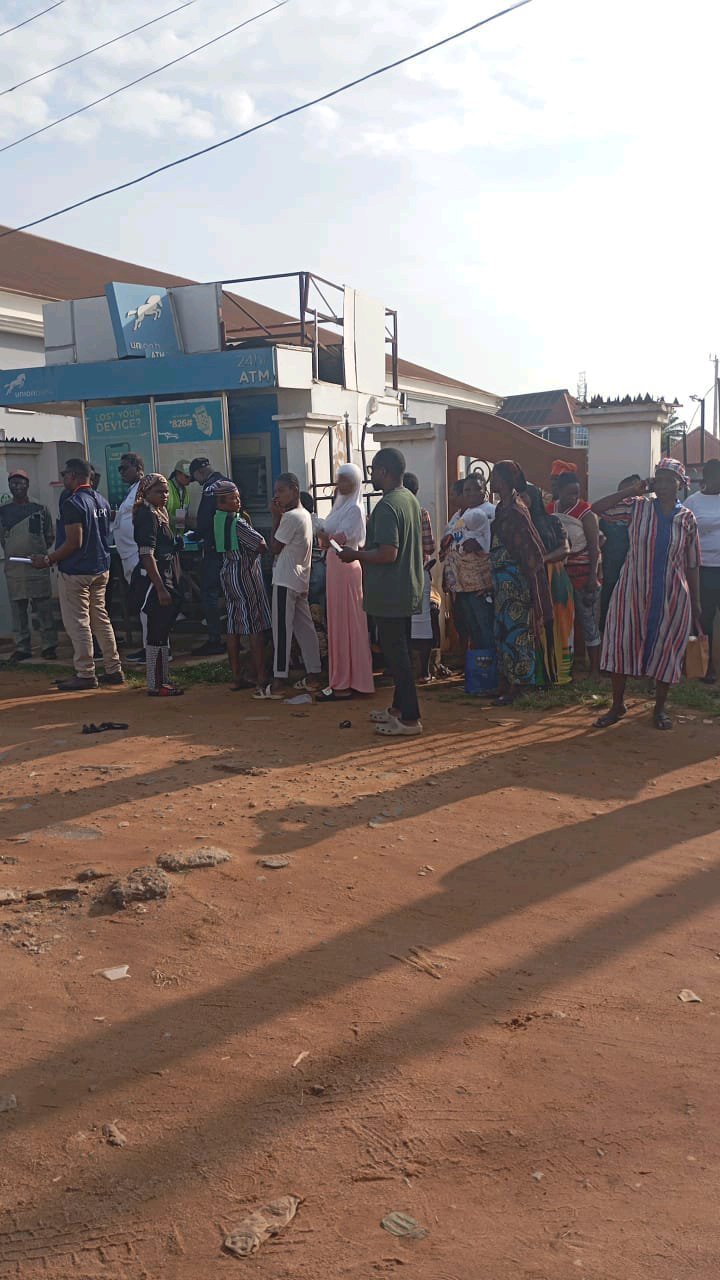
Despite the generally smooth conduct of the exercise, reports from some parts of the state indicated that voter accreditation was delayed due to technical glitches associated with the Bimodal Voter Accreditation System (BVAS).
The challenges reportedly affected the biometric verification of several elderly voters, resulting in long queues and frustration among some voters who had to make repeated attempts before being accredited.
Meanwhile, election observer group Yiaga Africa raised concerns over what it described as discrepancies in some election materials deployed for the poll.
In a statement signed by Dr. Aisha Abdullahi, Chair of the 2026 Ekiti Election Observation Mission, and Yiaga Africa Executive Director Samson Itodo, the organisation noted inconsistencies between ballot papers, polling unit result sheets and INEC’s published list of candidates.
According to the group, Form EC8A result sheets provided spaces for 15 political parties, while ballot papers in circulation contained 19 parties. It added that INEC’s final list of candidates, available on its website as of June 18, 2026, reflected 14 parties that fielded candidates.
Yiaga Africa said its preliminary observations suggested that changes arising from court rulings and administrative decisions may not have been fully reflected across all election materials.
The organisation warned that the inconsistencies could create confusion during voting, result documentation and collation processes.
It noted that where result sheets contain parties not listed on the ballot paper, electoral officers may be forced to record zero votes for such parties. Similarly, votes cast for parties not reflected on the result sheet could create challenges in reconciliation and collation.
Yiaga Africa subsequently called on INEC to urgently clarify the final list of parties and candidates participating in the election and explain any differences between ballot papers, result sheets and previous announcements.
The group also urged the commission to provide clear written guidelines to presiding and collation officers on how to complete result sheets in accordance with applicable laws and court judgments, particularly in situations involving discrepancies between ballot papers and result sheets.