








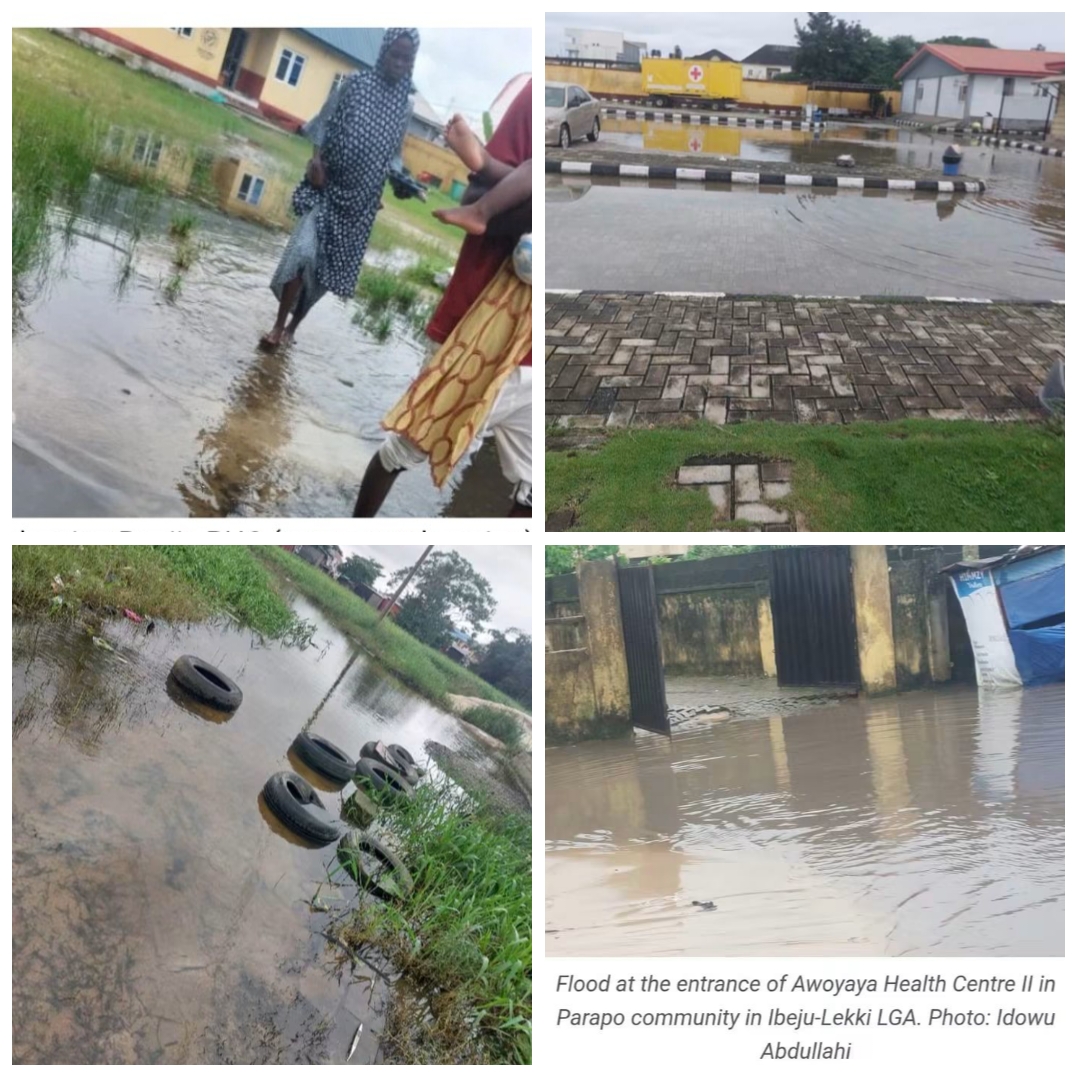
Severe flooding caused by persistent rainfall in parts of Lagos State has disrupted routine immunisation for newborns, preventing many nursing mothers from accessing primary healthcare centres and increasing fears of outbreaks of vaccine-preventable diseases.
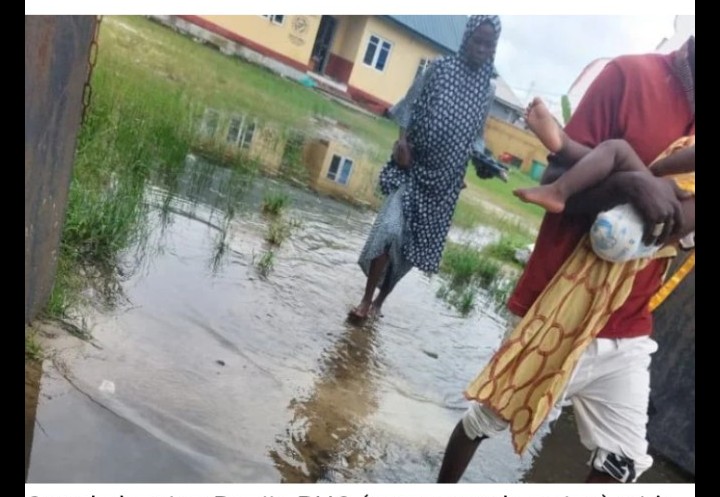
A PUNCH Healthwise investigation revealed that communities in Ibeju-Lekki Local Government Area have been particularly affected, with flooded roads cutting off access to health facilities and forcing parents to postpone life-saving vaccinations for their babies.
Several mothers said they had been unable to take their newborns for scheduled immunisation because of impassable roads and concerns about exposing infants to contaminated floodwaters.
Mrs. Anike Kareem, a mother of three, said her three-week-old baby had yet to receive the recommended vaccines normally administered at birth.
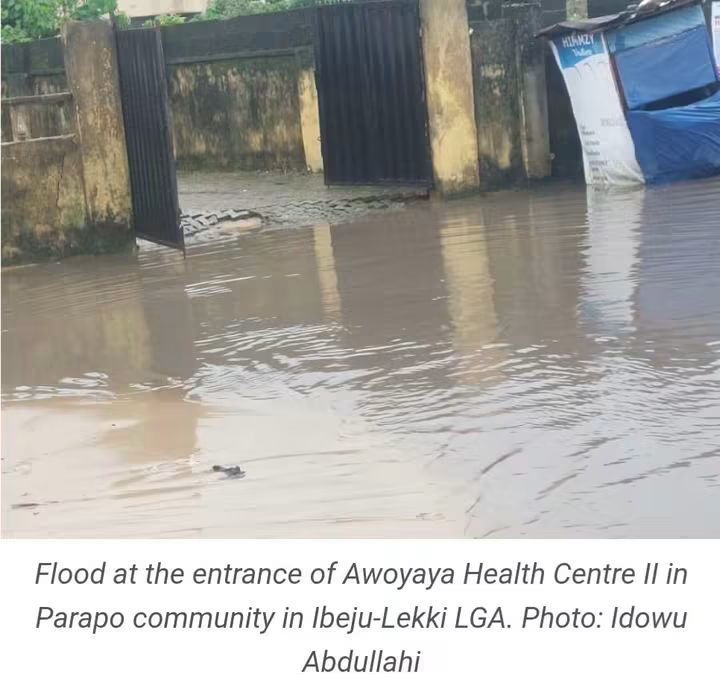
She explained that roads leading from her community to the nearest primary healthcare centre were submerged, while residents now rely on canoes to move around, making travel risky for mothers carrying newborns.
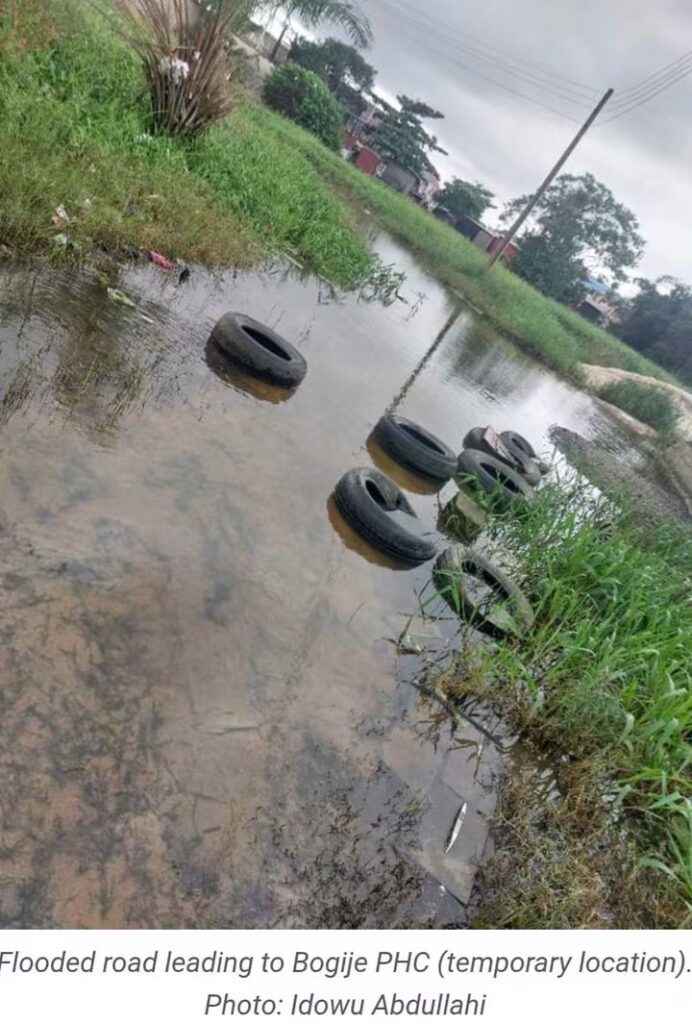
Another resident, Mrs. Chioma Essien, said her six-week-old baby also missed a scheduled vaccination because floodwaters blocked access to the health facility. She added that walking through contaminated water or using motorcycles on flooded roads posed serious health and safety risks.
According to UNICEF, newborns should receive key vaccines within the first 48 hours after birth, including the Bacille Calmette-Guérin (BCG) vaccine against tuberculosis, the Hepatitis B vaccine and the Oral Polio Vaccine.
Health experts warn that delaying these vaccines leaves infants vulnerable to diseases such as tuberculosis, hepatitis B, polio, measles, diphtheria, whooping cough and tetanus.
A Professor of Paediatric Surgery at Bayero University, Kano, Prof. Aminu Mohammad, said babies who miss vaccinations during the first weeks of life face increased risks if exposed to infectious diseases.
Similarly, the Head of Paediatrics at the Federal Teaching Hospital, Katsina, Dr. Abdurrazzaq Alege, stressed that birth vaccines are essential for protecting newborns against life-threatening infections, while also urging pregnant women to receive recommended maternal vaccinations, particularly against tetanus.
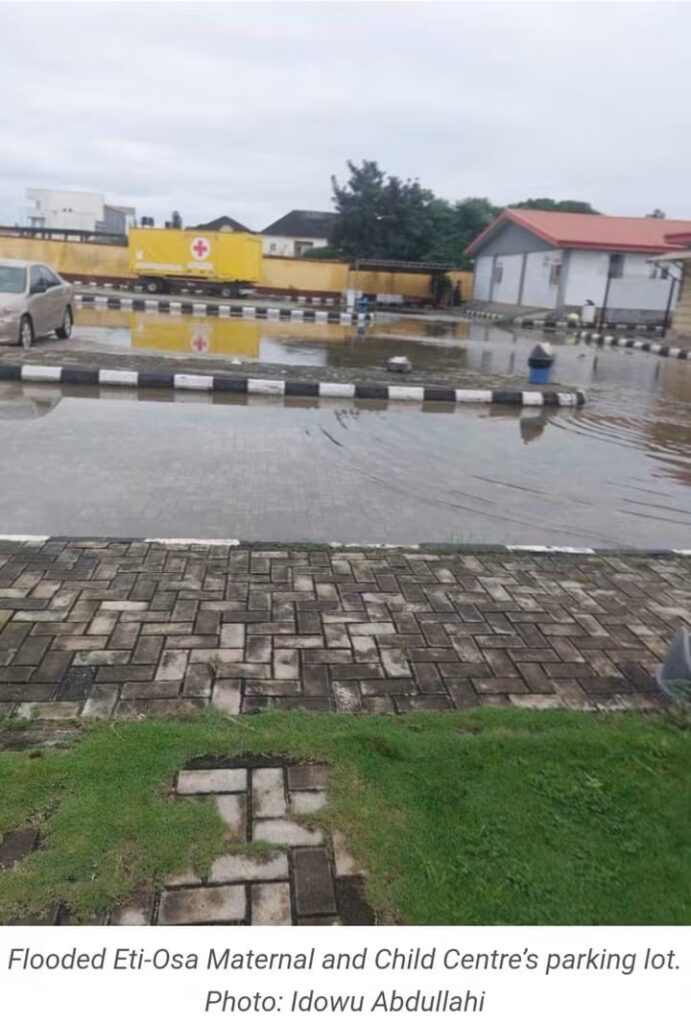
Visits to several primary healthcare centres, including Awoyaya PHC I and II, Aiyeteju PHC, Lakowe PHC, the temporary Bogije PHC and the Eti-Osa Maternal and Child Centre, showed that floodwaters had affected access roads and, in some cases, parts of the health facilities themselves.
Healthcare workers said the flooding disrupted their services, with some unable to report to work on several days because roads leading to the facilities were impassable.
They also reported that many pregnant women and nursing mothers turned back after seeing the flooded roads, while others braved the conditions to seek medical care for themselves and their children.
UNICEF estimates that Lagos already has about 190,000 children who have not received routine immunisation, the highest figure in Nigeria’s South-West region.
Nigeria is also home to about 2.3 million “zero-dose” children—those who have never received a routine vaccine—making disruptions to immunisation services a major public health concern.
Weather and emergency management agencies, including the Nigerian Meteorological Agency (NiMet), the Nigeria Hydrological Services Agency (NIHSA) and the National Emergency Management Agency (NEMA), have warned that Lagos is expected to experience increased flooding between July and September.
Health experts are therefore urging authorities to improve access to healthcare during the rainy season and encourage parents whose children missed scheduled vaccinations to visit the nearest health facility as soon as conditions permit, to ensure they complete their immunisation schedule and remain protected against preventable diseases.