





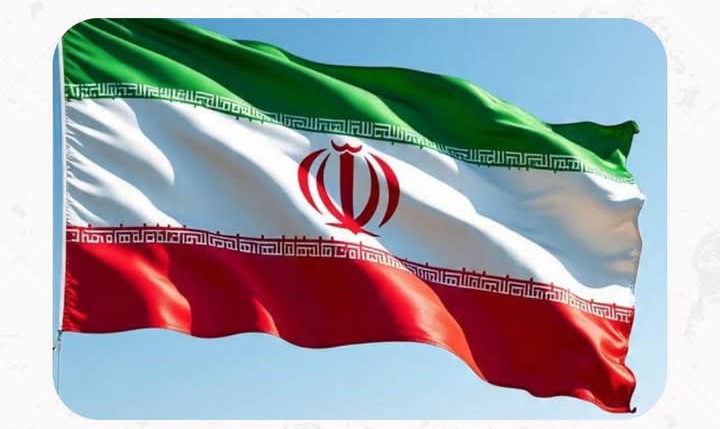
Iran has threatened to stop all oil and gas exports from the Middle East after the United States reinstated a naval blockade on Iranian ports, further escalating tensions in the Persian Gulf and raising concerns over global energy supplies.
The warning came on Wednesday after Washington restored the blockade, accusing Tehran of attacking commercial vessels attempting to pass through the Strait of Hormuz.
Iran’s Revolutionary Guard declared that oil and gas exports from the region would either continue for all countries or for none, signalling the possibility of major disruptions to one of the world’s busiest energy corridors.
The latest developments mark the collapse of a temporary 60-day agreement reached in June, during which both countries paused hostilities to allow negotiations on Iran’s nuclear programme and maritime security. Talks have since broken down as clashes around the Strait of Hormuz intensified.
The United States also launched a fresh wave of military strikes across Iran, with U.S. Central Command saying dozens of targets were hit during a seven-hour operation.
Meanwhile, Bahrain and Kuwait activated missile warning systems after Iran reportedly launched missiles and drones targeting countries hosting U.S. military bases.
Commander of U.S. Central Command, Admiral Brad Cooper, accused Iran of fuelling instability across the region, saying American forces were responding to actions that threatened innocent lives.
The U.S. military said it currently has at least 19 warships, including two aircraft carriers and an amphibious assault ship carrying more than 1,000 Marines, deployed in the Arabian Sea alongside hundreds of military aircraft operating across the Middle East.
Iran, however, blamed Washington for the latest escalation. Its Ambassador to the United Nations, Amir Saeid Iravani, said the United States was the aggressor and not the victim.
The Strait of Hormuz remains one of the world’s most strategic waterways, with around one-fifth of global oil and liquefied natural gas supplies passing through it each day.
Washington initially imposed the blockade in April before suspending it in June following an interim diplomatic agreement with Tehran. It was reinstated this week after negotiations collapsed and attacks on commercial shipping resumed.
U.S. President Donald Trump had earlier proposed a 20 per cent transit fee for vessels using the strait but later withdrew the plan after Gulf allies objected, saying regional leaders instead committed to investing billions of dollars in the United States.
Trump also warned Iran to return to negotiations or face further military action.
Fresh explosions were reported in several Iranian cities, including Bushehr, Ahvaz and Bandar Abbas. Kuwait also reported that an Iranian attack injured four naval personnel and damaged a government building.
Regional mediators led by Pakistan are continuing efforts to revive talks between Washington and Tehran amid growing fears that the conflict could expand into a wider regional war.
For Nigeria, the renewed crisis presents both potential gains and challenges. Higher crude oil prices could increase the country’s export earnings, foreign exchange inflows and government revenue if production levels remain stable.
However, analysts warn that prolonged instability could also drive up the cost of imported fuel, aviation products, fertilisers and shipping, worsening inflation in an economy that still relies heavily on imported petroleum products and industrial inputs.
The renewed tensions may also place additional pressure on the naira, increase transportation costs and complicate efforts by authorities to stabilise inflation and sustain economic recovery.
Brent crude briefly rose above $87 per barrel following the escalation before falling to around $78 after Trump abandoned plans to introduce transit fees, highlighting the continued volatility of global oil markets.