





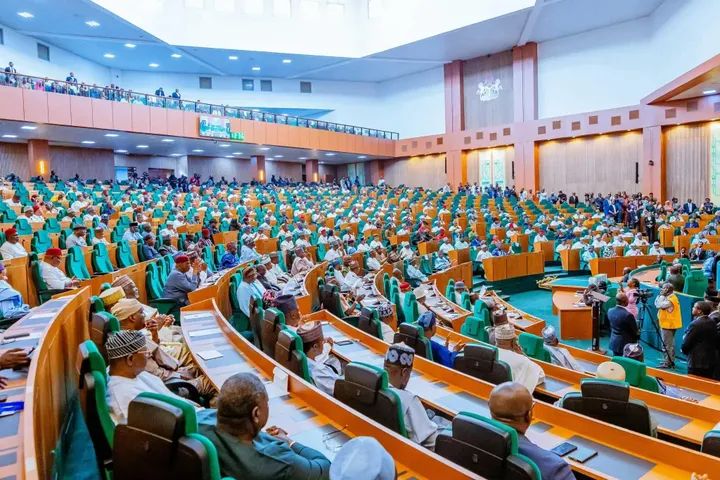
The House of Representatives has begun investigating the prolonged exclusion of more than 5,000 law graduates of the National Open University of Nigeria (NOUN) from admission into the Nigerian Law School.
The investigation followed a petition submitted by affected graduates under the aegis of the Backlog of Law Graduates of the National Open University of Nigeria, seeking the intervention of the National Assembly to resolve the dispute preventing them from proceeding to professional legal training and qualifying for Call to Bar.
The House Committee on Public Petitions invited NOUN and the Nigerian Law School, operating under the Council of Legal Education, to appear before it and explain the circumstances surrounding the unresolved matter.
However, both institutions were absent from the investigative hearing held on Wednesday, September 16, 2026.
NOUN informed the committee that its Vice-Chancellor was unavailable, while the Nigerian Law School cited official engagements and requested another date for its appearance.
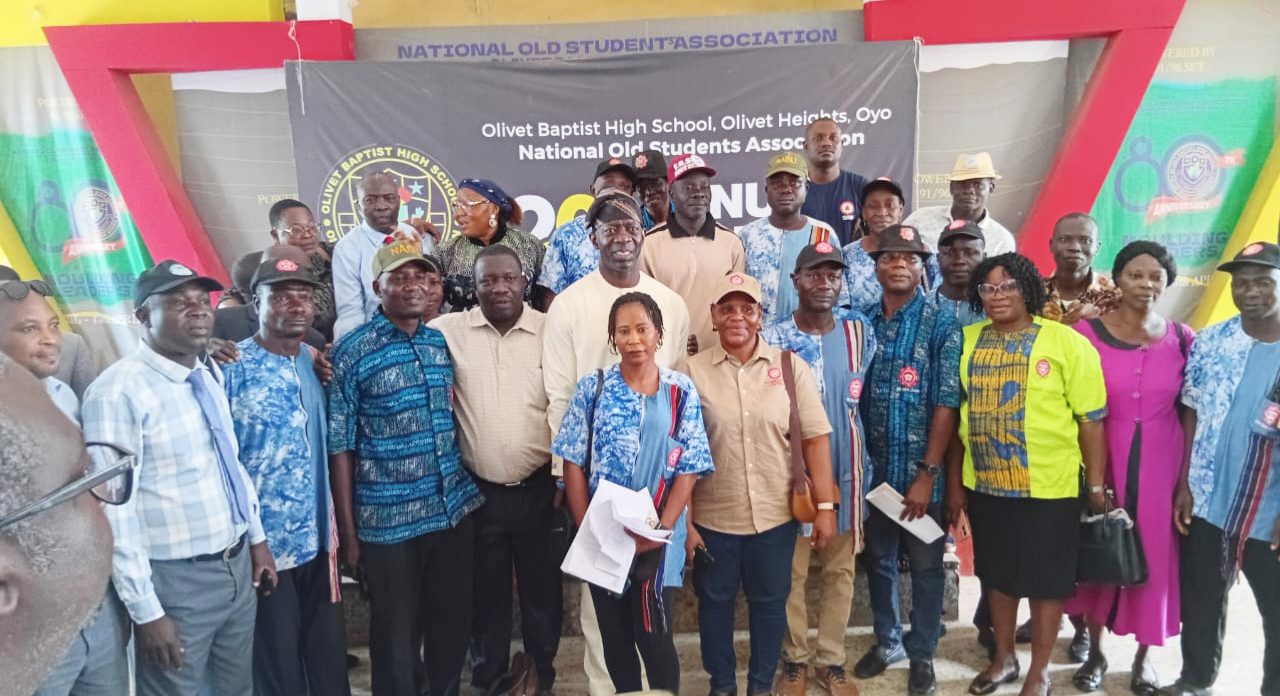
Representatives of the affected graduates told the committee that they had completed their Bachelor of Laws programmes and should not be punished for disagreements between government institutions.
Speaking to journalists after the hearing, the association’s Public Relations Officer, Chibueze Obochi, said the graduates had explored other avenues to resolve the matter before seeking the intervention of the National Assembly.
Obochi argued that the affected graduates should not bear the consequences of disagreements between NOUN, the Council of Legal Education and the Nigerian Law School.
He also challenged the interpretation of a 2019 list containing 1,883 NOUN law graduates submitted to the relevant authorities.
According to him, the description of the list as graduates produced “so far” did not imply that it represented every law graduate the university would eventually produce.
He further maintained that the 2015 directive for NOUN to stop admitting students into its LLB programme did not affect students who had already been admitted before the suspension.
The petitioners said their matriculation numbers and other university records could establish their dates of admission and demonstrate that they were already students of the programme before the suspension of new admissions.
They therefore urged the authorities to extend to them the same consideration given to earlier batches of NOUN law graduates.
NOUN Explains Dispute
In its submission to the House committee, NOUN welcomed the intervention of the lawmakers, describing it as an opportunity to achieve what it called an equitable and lasting resolution.
The university traced the dispute to 2015, when an accreditation team from the National Universities Commission visited the institution as part of an accreditation exercise involving its LLB programme.
NOUN said that while it was awaiting the outcome of the accreditation process, the Council of Legal Education announced its position against admitting NOUN law graduates into the Nigerian Law School.
The university subsequently suspended further admissions into the LLB programme in 2015, saying the decision was intended to prevent the number of affected students from increasing while regulatory issues remained unresolved.
Between 2015 and 2019, NOUN said it held discussions with the Council of Legal Education and other stakeholders in an effort to resolve the eligibility of its graduates for professional legal training.
In 2019, the university formally appealed to the Council of Legal Education and submitted a list of 1,883 law graduates for consideration.
NOUN later discovered that 90 graduates had inadvertently been omitted from the list, bringing the number to 1,973.
The university said the Body of Benchers subsequently considered the matter in 2020 and approved a Special Remedial Programme for the affected NOUN graduates instead of direct admission into Bar Part II.
NOUN later submitted another list containing 2,226 graduates who had completed their studies between 2019 and May 2022.
According to the university, the Council of Legal Education rejected the subsequent submission, citing, among other issues, an alleged understanding that the 2019 list represented the total number of NOUN law graduates.
The council also alleged that NOUN continued admitting students into its LLB programme after 2015.
NOUN rejected the allegation, maintaining that it stopped admitting students into the programme in 2015 and did not resume admissions thereafter.
The university explained that graduates included in the later submission were students who had been admitted before the 2015 suspension but completed their programmes at different times.
Nigerian Law School Seeks New Hearing Date
The Nigerian Law School also failed to attend the committee’s hearing.
In a letter signed by its Director-General, Dr. Olugbemisola Odusote, the institution acknowledged receipt of the invitation but said relevant officials could not attend because of an official assignment.
The Law School apologised for its absence and requested that another date be fixed for its appearance.
It also assured the committee that it was willing to cooperate with the investigation and attend a rescheduled hearing.
The petition was presented before the House on July 21, 2026, by the Chairman of the House Committee on Media and Publicity, Akin Rotimi.
Rotimi had pledged to support efforts to address the grievances of the affected graduates and called for a fair and lasting resolution.
The controversy centres on the regulatory status of NOUN’s LLB programme and whether graduates from the programme are eligible for admission into the Nigerian Law School.
While NOUN maintains that it stopped admitting new students in 2015 and that those who graduated afterward had been admitted before the suspension, the position attributed to the Council of Legal Education includes the contention that the 2019 list was understood to represent the university’s total number of law graduates and that admissions continued after 2015.
The House committee’s investigation is expected to hear from the relevant institutions before determining the next steps toward resolving the long-running dispute.