







1. SECURITY: BENIN SIGNS FIVE-YEAR AGREEMENT TO STRENGTHEN SECURITY OVERSIGHT
The Beninese government has signed a five-year cooperation agreement with the Geneva Centre for Security Sector Governance (DCAF) to strengthen oversight of security institutions and improve security prevention measures in border communities.
The agreement, signed in Cotonou on October 15, 2026, seeks to improve government, parliamentary and public oversight of security institutions.
It also provides for better supervision of private security companies, modernisation of human resource management within the Republican Police, and improvements in operational capacity and intelligence gathering.
The partnership will also support community-based prevention initiatives and regional cooperation against cross-border security threats.
The agreement comes as Benin continues efforts to strengthen national security and improve coordination among security institutions.
2. BREAKING: FIVE INMATES REPORTED DEAD AT COTONOU CIVIL PRISON
Five inmates were reportedly found dead at the Civil Prison in Cotonou on Saturday, October 17, 2026, according to a report by the Beninese newspaper La Nouvelle Tribune, citing information from the investigative department of Le Potentiel.
The report stated that the bodies were discovered in Building H of the prison.
It further indicated that the discovery reportedly triggered unrest among other inmates, prompting the deployment of the Mobile Intervention Company.
Important: The circumstances surrounding the reported deaths, their causes and any official response were not established in the reports reviewed. Further confirmation from the relevant authorities is needed.
3. ECONOMY: BENIN SEEKS BETTER ACCESS FOR LOCAL PRODUCTS IN SUPERMARKETS
Producers, entrepreneurs and industry experts in Benin are seeking ways to improve the presence of locally manufactured and agricultural products in supermarkets.
The issue was discussed during a workshop held on Thursday, October 15, at the Benin Chamber of Commerce and Industry.
Participants examined the challenges preventing locally produced goods from securing stronger representation on supermarket shelves.
Improving market access could help local producers expand their businesses, increase sales and create employment opportunities.
The discussions also highlight the importance of connecting local agricultural production with the country’s modern retail sector.
4. EDUCATION: MINISTER INSPECTS SCHOOLS IN BORGOu AND ALIBORI
Benin’s Minister of Nursery and Primary Education, Armand Kuyema Natta, has visited schools in the Borgou and Alibori departments as part of efforts to assess educational activities following the resumption of the academic year.
The minister reportedly emphasised the importance of French and mathematics in primary education.
The visits come approximately one month after schools reopened on September 14, 2026.
The emphasis on the two subjects reflects their importance in developing pupils’ literacy, numeracy and foundational learning skills.
The inspections also provide an opportunity to assess teaching activities and identify challenges affecting educational delivery.
5. POLITICS: OPPOSITION PARTY LES DÉMOCRATES ESTABLISHES 60-MEMBER POLITICAL BUREAU
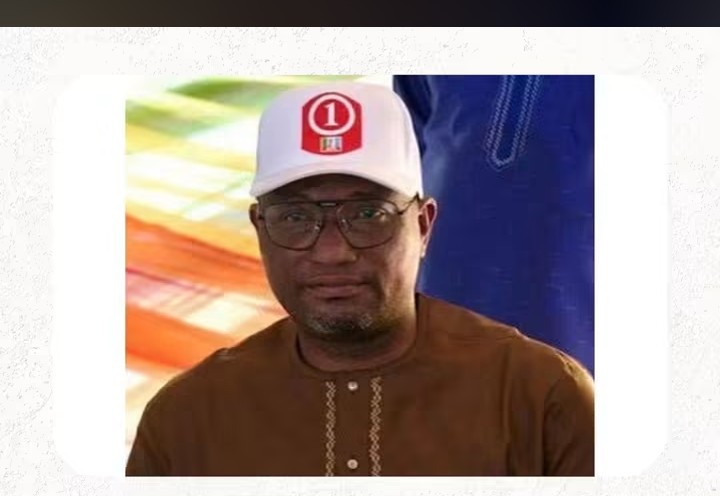
Benin’s opposition party, Les Démocrates, has established a 60-member political bureau following its congress held in Porto-Novo on October 10 and 11, 2026.
According to reports, Nourénou Atchadé leads the newly constituted political bureau.
The party’s stated priorities include strengthening internal unity, rebuilding public confidence and defending democracy, the rule of law and social justice.
The development comes as political parties position themselves for the country’s evolving political landscape under President Romuald Wadagni.
The effectiveness of the new leadership will likely be measured by its ability to strengthen the party’s organisation, maintain internal cohesion and engage the electorate.
6. LOCAL GOVERNMENT: COTONOU MUNICIPALITY FACES QUESTIONS OVER AUDIT FINDINGS
The municipal administration in Cotonou is reportedly facing scrutiny following the departure of two technical officials and the emergence of an audit finding involving approximately CFA francs 500 million.
A report published by Journal du Bénin on October 14, 2026, said the developments had created uncertainty within the municipal administration.
The report attributed the financial finding to an inspection by the General Inspectorate of Finance.
Further clarification is needed regarding the precise nature of the alleged financial shortfall, the period covered by the audit and whether any official findings of wrongdoing have been established.
The issue raises broader questions about financial accountability, transparency and the management of public resources at the local-government level.
7. CULTURE: BENIN EXPLORES A DISTINCTIVE NATIONAL MUSICAL IDENTITY
Benin is exploring ways to develop a distinctive musical identity that reflects the country’s cultural heritage.
According to a report published on October 16, discussions took place in Cotonou between Culture Minister Yassine Latoundji and music arranger, beatmaker and artistic director Fifi Fender, whose legal name is Fiacre Ahidomèhou.
The discussions reportedly focused on laying the groundwork for a recognisable Beninese musical signature.
Such an initiative could create opportunities to promote traditional musical influences, support contemporary artists and strengthen the country’s cultural visibility internationally.
It also highlights the potential role of the creative industries in tourism, youth employment and cultural diplomacy.
8. ECONOMY: GOVERNMENT PLANS NEW APPROACH TO MUNICIPAL FUNDING IN 2027
Benin’s proposed 2027 finance bill reportedly includes measures intended to strengthen funding for local authorities.
According to La Nouvelle Tribune, the proposals include operationalising the Communal Investment Fund and introducing an economic approach to territorial planning.
The objective is to diversify funding sources available to municipalities and facilitate the implementation of development projects.
If implemented effectively, the measures could help local governments finance infrastructure, improve public services and respond more effectively to community needs.
However, the actual impact will depend on the final budget provisions, funding allocations and implementation arrangements.
Editorial Note
This roundup is based on reports available for October 14–17, 2026. It is not an exhaustive list of all developments in Benin, and some reports require further official confirmation.
**D REPORTORIAL MEDIA — Bringing You the News That Matters.**