

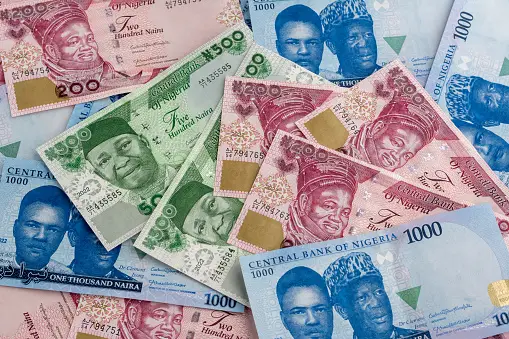


The Federal Government has approved a monthly transport allowance of N70,000 for public service workers across all levels for six months, beginning in November 2026, as part of efforts to ease the rising cost of living.
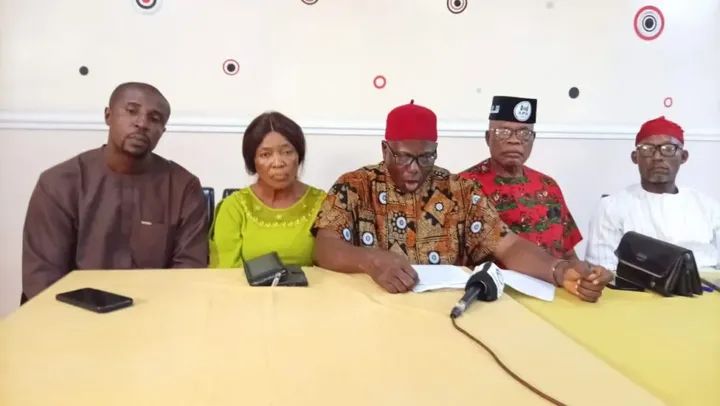
The approval followed a conciliation meeting between the Federal Government and the leadership of the Nigeria Labour Congress (NLC) in Abuja on Tuesday, October 27, 2026, amid renewed calls by organised labour for improved workers’ welfare and the implementation of outstanding agreements.
In addition to the transport intervention, the government approved the payment of outstanding peculiar allowance arrears dating back to May 1, 2026. The arrears will be paid in three equal monthly instalments, beginning in November.
However, the government and labour leaders failed to reach an agreement on the effective date for implementing the national minimum wage, although both parties agreed that the Minimum Wage Negotiation Committee would be constituted and begin meetings immediately.
The resolutions were contained in a memorandum of understanding signed by the Director-General of Budget, Timi Yakubu; NLC President, Joe Ajaero; the Permanent Secretary of the Service Welfare Office in the Office of the Head of the Civil Service of the Federation, Dr Garba Abdul S.U.; and the Minister of Labour and Employment, Dr Muhammad Maigari Dingyadi.
The agreement outlined decisions on transport support, outstanding allowances, minimum wage negotiations, health workers’ remuneration, tax relief and hazard allowances for agricultural officers.
According to the memorandum, the government agreed that the N70,000 transport intervention would be paid monthly across all levels for six months, starting in November.
However, the document did not specify the exact payment dates or explain the administrative arrangements for disbursing the funds to eligible workers.
The intervention comes amid persistent concerns over the high cost of transportation and other essential commodities following the removal of the petrol subsidy in May 2023, which contributed to increased living expenses across Nigeria.
Organised labour has consistently called for measures to reduce the economic burden on workers, including improved wages, lower fuel costs and the implementation of outstanding welfare agreements.
The latest meeting followed an earlier conciliation session convened by the Federal Ministry of Labour and Employment on October 22 to address unresolved disagreements between the government and labour representatives.
During Tuesday’s meeting, the NLC leadership reportedly expressed dissatisfaction with the government’s handling of some of its demands.
In response, the Federal Government reaffirmed its recognition of the labour movement’s right to advocate for better working conditions, stating that it was making efforts to address the issues through structured interventions.
On the minimum wage, both parties agreed to establish the negotiation committee and commence discussions without delay. Nevertheless, they remained divided over the date from which the implementation should take effect.
The disagreement leaves an important aspect of the negotiations unresolved, despite the commitment to begin discussions immediately.
Nigeria’s national minimum wage became a major subject of negotiation in 2024, when the Federal Government and organised labour agreed to increase the statutory monthly minimum wage from N30,000 to N70,000. The revised amount was subsequently enacted into law.
The latest memorandum did not provide further details about the specific minimum wage proposal currently under consideration or indicate when an agreement on the implementation date might be reached.
While the approved transport allowance and payment of outstanding arrears represent steps towards addressing workers’ concerns, other demands remain subject to further negotiations and decisions by the relevant government authorities.
The Federal Government and the NLC are expected to continue discussions on the outstanding issues as efforts to improve workers’ welfare and address the rising cost of living continue.