








A senior Iranian military official has warned that fresh hostilities between and the remain likely, just hours after US President expressed dissatisfaction with Tehran’s latest negotiation proposal.
According to Iranian state media, a revised draft agreement was submitted to mediator on Thursday, though details of the proposal were not disclosed. The conflict, which began in late February involving the US and , has been paused since April 8 following an unsuccessful round of peace talks in Pakistan.
Speaking to reporters, Trump said he was unimpressed with Iran’s offer, attributing the delay in progress to internal divisions within Iran’s leadership. While raising the possibility of military action, he stressed a preference for reaching a negotiated settlement.
On Saturday, Iranian military commander said a renewed confrontation was “likely,” accusing the United States of failing to honour agreements.
Iran’s judiciary chief, , also reiterated Tehran’s willingness to negotiate but rejected any imposed terms.
Reports indicate that US envoy proposed amendments to earlier discussions, including conditions restricting Iran from relocating enriched uranium or resuming nuclear activities during negotiations.
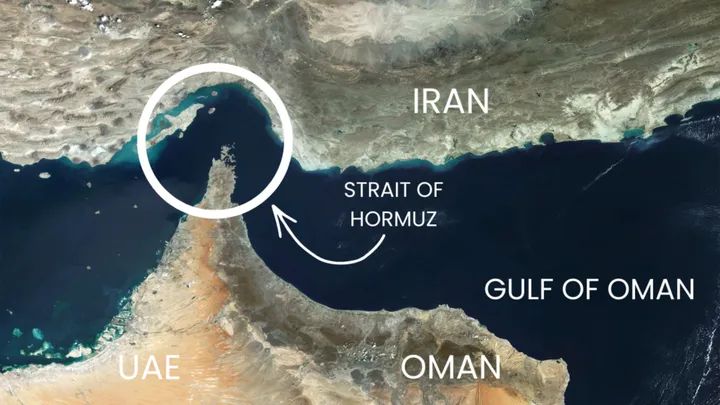
Tensions around the continue to impact global markets. Iran has maintained control over the vital shipping route since the conflict began, disrupting major oil and gas flows, while the US has enforced a counter-blockade on Iranian ports. Although news of renewed diplomatic efforts briefly lowered oil prices, they remain significantly elevated.
Despite a ceasefire in the Gulf region, violence persists elsewhere. In , Israeli airstrikes have continued, with authorities reporting multiple casualties in southern areas, including the town of Habboush.
Meanwhile, Washington has approved major arms deals with regional allies, including missile systems for and advanced weapons for Israel.
Back in the US, political tensions are rising over whether Trump violated legal requirements by not seeking congressional approval within a stipulated timeframe for military action. While the administration argues that the ceasefire suspends the deadline, opposition lawmakers dispute the claim.
Trump, facing mounting domestic pressure from rising inflation and approaching midterm elections, insisted in a letter to Congress that hostilities have effectively ended, noting there has been no exchange of fire since early April.
However, the economic impact in Iran is worsening. New US sanctions targeting financial institutions, combined with disrupted oil exports, have pushed inflation beyond 50 percent. Residents report increasing hardship as savings dwindle.
In a separate development, Iranian authorities confirmed the execution of two individuals convicted of spying for Israel, marking the latest in a series of such cases in recent weeks.