





US Lawmaker Questions Tinubu’s Compliance with Security Aid Conditions, Seeks Funding Review
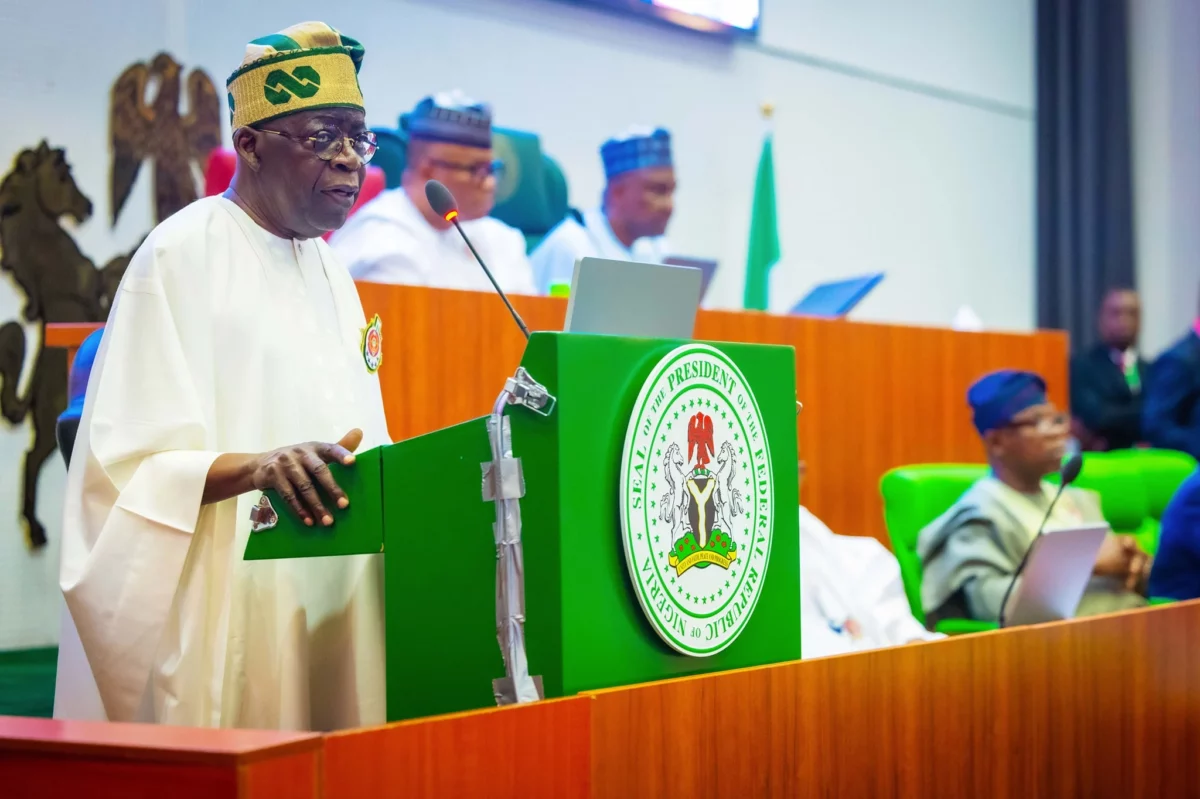
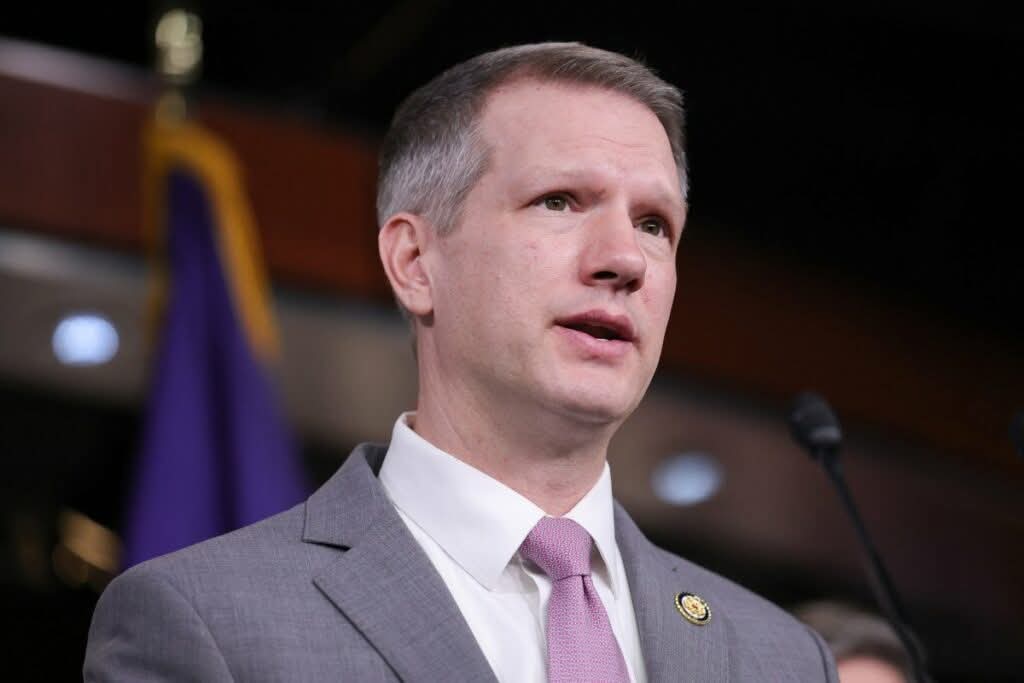
A member of the United States Congress, , has criticised the administration of over alleged non-compliance with conditions tied to US security assistance to Nigeria.
Moore, who represents West Virginia’s 2nd District, made his concerns public on Wednesday via X, where he called on to factor the issue into decisions on upcoming funding allocations.
According to him, the Tinubu-led government has not met the requirements set by the US appropriations committee for continued security support.
“In my view, the Tinubu administration has failed to live up to the conditions the appropriations committee placed on security assistance,” Moore stated, urging that this be considered in the 2026 and 2027 fiscal funding cycles.
The referenced fiscal years—FY26 and FY27—form part of the US budget calendar running from October 1 to September 30, during which Congress determines foreign aid spending.
US security assistance to Nigeria typically includes military training, supply of equipment, intelligence sharing, and counter-terrorism collaboration aimed at addressing insurgency, banditry, and organised crime. Such support is often conditional on adherence to human rights standards, accountability, and measurable progress in tackling insecurity.
Moore’s latest remarks build on earlier criticisms in which he accused the Nigerian government of failing to adequately account for billions of dollars in US military aid, while alleging persistent violence against Christian communities.
He warned that continued inaction could escalate the crisis, stressing the need for stronger intervention to prevent terrorist groups from gaining further ground.
However, the Federal Government has consistently denied claims of targeted religious persecution, maintaining that insecurity in Nigeria affects both Christians and Muslims and stems from broader security challenges.
The Defence Headquarters has also defended its collaboration with the United States, stating that such partnerships do not compromise Nigeria’s sovereignty and come at no financial cost to the country.
In February, the military confirmed the deployment of about 100 US personnel and related equipment following bilateral engagements, describing the move as part of efforts to strengthen Nigeria’s response to evolving security threats.
Despite these clarifications, Moore maintained that Nigeria’s compliance with aid conditions would play a key role in determining future US funding, signalling the likelihood of stricter scrutiny in upcoming budget cycles.