



The Federal Government has approved a total financing package of N4.34 trillion for projects spanning transportation, agriculture, renewable energy, infrastructure and small business development as part of efforts to stimulate economic growth.
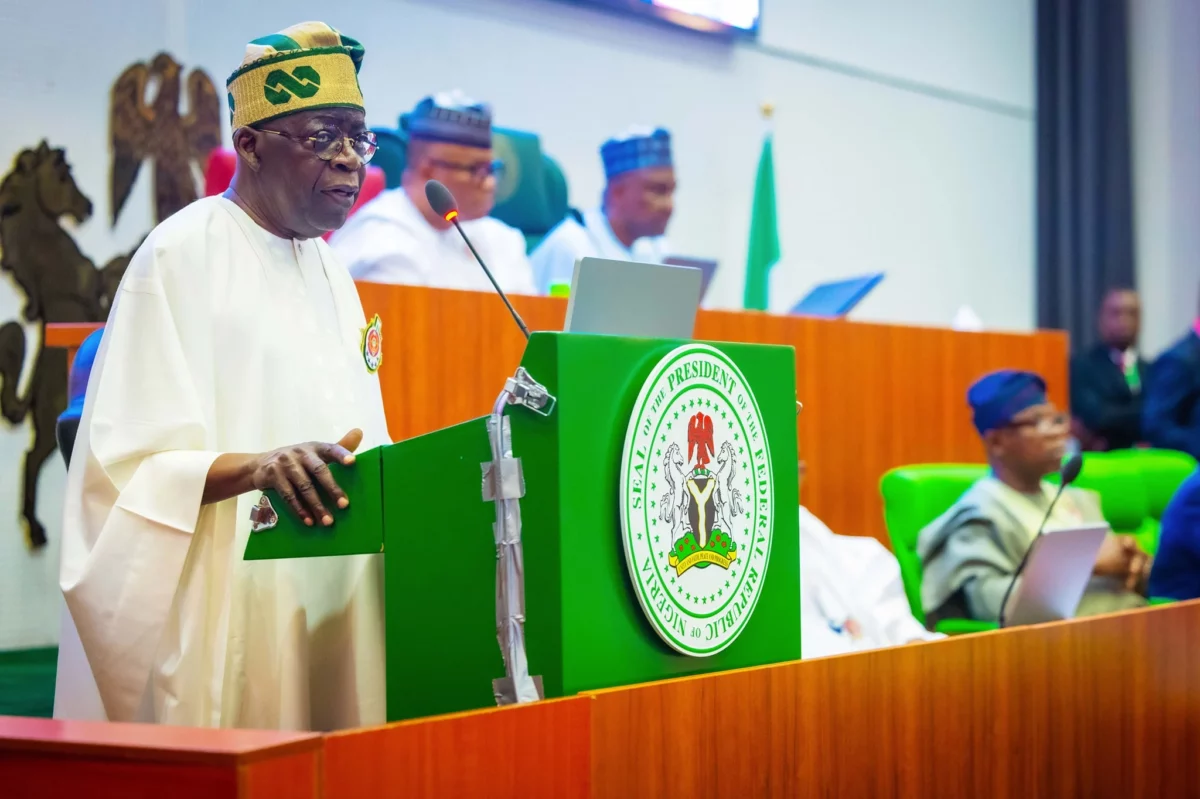
The approvals were granted on Monday during the meeting of the Federal Executive Council chaired by President Bola Tinubu at the Presidential Villa, Abuja.
The council considered 14 memoranda presented by the Ministry of Finance, marking its first meeting in about three months.
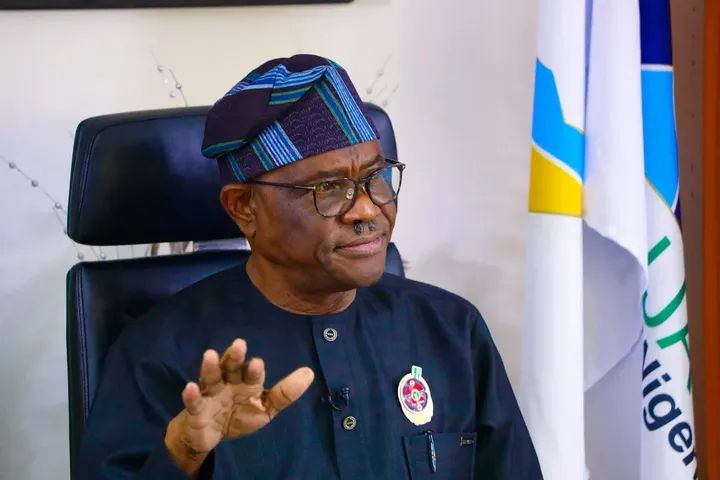
Briefing journalists after the meeting, the Minister of Finance and Coordinating Minister of the Economy, Taiwo Oyedele, said the approvals were grouped into five strategic sectors.
According to him, the council approved N215 billion for transportation initiatives, including the procurement of Compressed Natural Gas (CNG) buses, electric vehicles, CNG-powered tricycles and vehicle conversion kits.
Oyedele explained that while some of the projects had earlier received anticipatory presidential approval due to their urgency, the latest decision allows the remaining investments to proceed.
In the agriculture sector, the council approved four financing arrangements valued at $900 million to support agricultural development, rural technical and vocational training, special agro-industrial processing zones and green growth initiatives.
The FEC also approved a $160 million concessional loan from the Islamic Development Bank to support solar energy projects in Niger State. The facility includes $150 million from the bank, while the Niger State Government will provide $10 million as counterpart funding.
For infrastructure, the council approved approximately $1.2 billion for the construction of Section Two of the Sokoto-Badagry Super Highway, covering the Kebbi State axis of the project.
To improve access to finance for small businesses, the government approved two additional funding facilities worth $500 million and €200 million, to be disbursed through the Development Bank of Nigeria.
Oyedele said the intervention would provide affordable credit for Micro, Small and Medium Enterprises, describing the sector as a major contributor to employment and economic activities in the country.
The minister also addressed concerns over the slow reduction in petrol pump prices despite falling global crude oil prices, saying regulators were already working to address what he described as an imbalance in fuel pricing.
He noted that while marketers often increase prices immediately when costs rise, reductions are usually delayed when international prices fall.
According to him, the Federal Competition and Consumer Protection Commission and the Nigerian Midstream and Downstream Petroleum Regulatory Authority are monitoring the situation to ensure consumers are not exploited.
Oyedele further stated that petrol products currently attract no Value Added Tax, excise duty or surcharge following the Federal Government’s suspension of the taxes, a move he said has helped cushion the impact of higher fuel costs.
He, however, urged transport operators using subsidised CNG conversion kits to reflect their lower operating costs in transport fares instead of charging the same rates as petrol-powered vehicles.
The minister said greater transparency and fairness by operators would complement government interventions and accelerate economic recovery.