









FG defends economic reforms despite hardship, says policies rescued economy
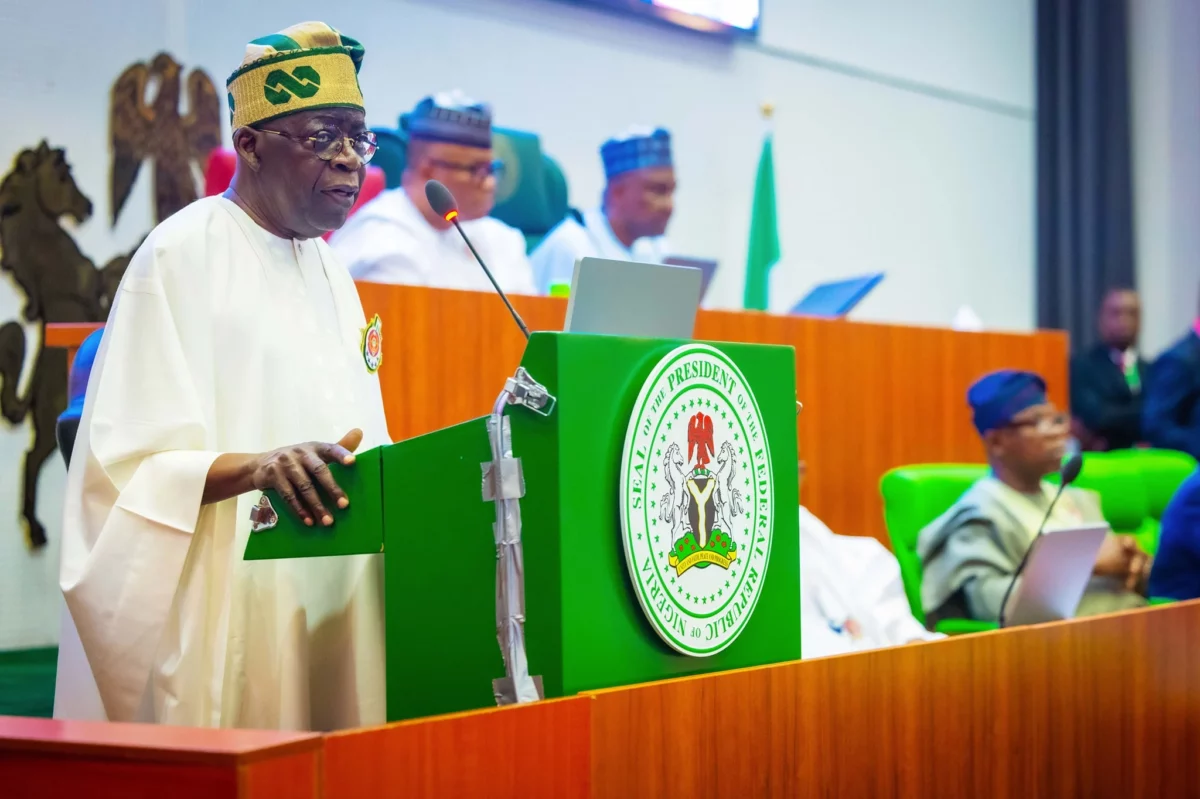
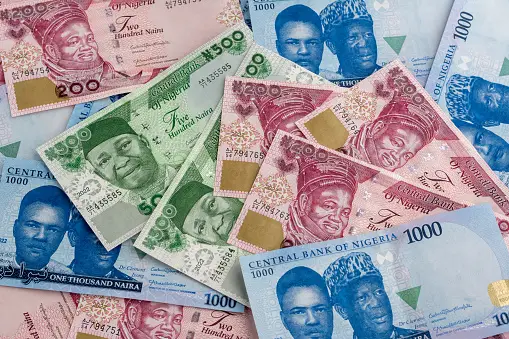
The Federal Government on Monday defended its economic reform programme, saying difficult measures introduced by the administration have helped stabilise Nigeria’s economy despite the hardship being experienced by businesses and households.
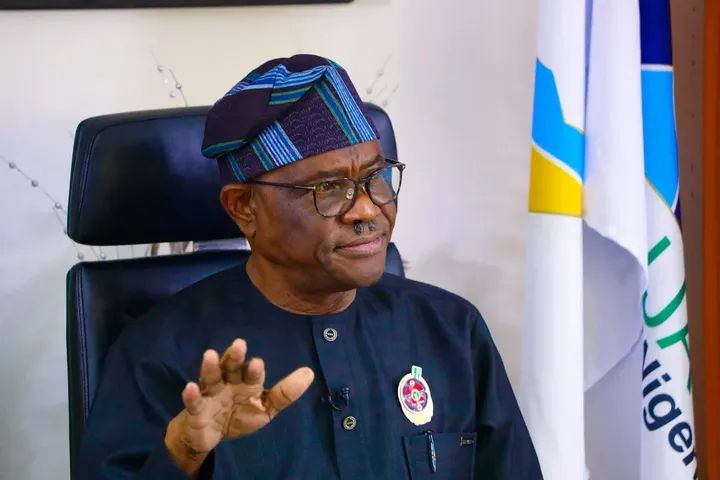
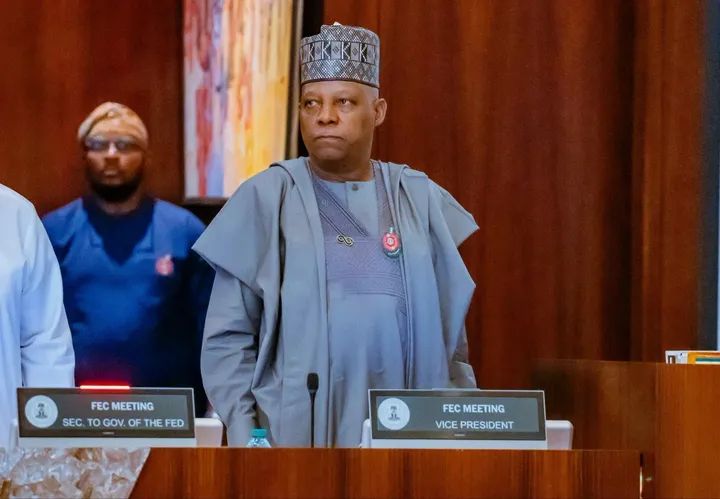
Vice President Kashim Shettima and the Minister of Finance and Coordinating Minister of the Economy, Taiwo Oyedele, said reforms such as the removal of fuel subsidy, foreign exchange liberalisation and tax restructuring were necessary to reverse years of economic distortions and place the country on a path of sustainable growth.
Speaking at the fifth Nigeria Employers’ Summit in Abuja, themed “Leveraging Reforms and ESG for Enterprise Competitiveness and Inclusive National Growth,” Shettima, represented by his Special Adviser on General Duties, Aliyu Umar, said the Tinubu administration inherited an economy weakened by unsustainable subsidies, poor government revenue and declining investor confidence.
He said the government chose to implement difficult but necessary policies rather than delay critical decisions.
According to him, the administration’s Renewed Hope Agenda was designed to tackle long-standing structural challenges, stressing that economic prosperity could not be achieved while the country remained burdened by multiple taxation, poor infrastructure, insecurity and fiscal distortions.
Shettima maintained that restoring macroeconomic stability was the government’s first priority, describing a stable economy as the foundation for business growth and investment.
He defended the removal of petrol subsidy and reforms in the foreign exchange market, arguing that the subsidy had become fiscally unsustainable while the new foreign exchange system was improving transparency and market efficiency.
The Vice President also said ongoing tax reforms were aimed at reducing the number of taxes, harmonising tax administration, supporting small businesses and encouraging compliance.
He added that interventions in the power sector, gas development and the Presidential Compressed Natural Gas Initiative were intended to lower energy costs for businesses and households.
Also speaking at the summit, Oyedele acknowledged that the reforms had imposed significant hardship on Nigerians but insisted the economy was now in a stronger position than it was three years ago.
He identified public misunderstanding of government policies and a growing trust deficit as major challenges confronting the reform agenda.
The minister said the administration inherited an economy facing severe foreign exchange shortages, rising debt obligations and limited fiscal space, adding that the reforms were introduced to prevent economic collapse.
According to him, improvements are already emerging through stronger external reserves, increased investor confidence and expanded social intervention programmes, including the Nigerian Education Loan Fund.
Oyedele noted that more than one million households had benefited from the student loan scheme, allowing families to redirect funds previously spent on tuition to other household and business needs.
The summit, organised by the Nigeria Employers’ Consultative Association, brought together government officials, business leaders and development partners to examine the impact of ongoing economic reforms and strategies for promoting enterprise competitiveness and inclusive economic growth.
The Tinubu administration’s economic reforms, particularly the removal of fuel subsidy, exchange rate unification and tax reforms, have received support from international financial institutions and investors but have also been criticised for worsening inflation and increasing the cost of living and doing business across the country.