










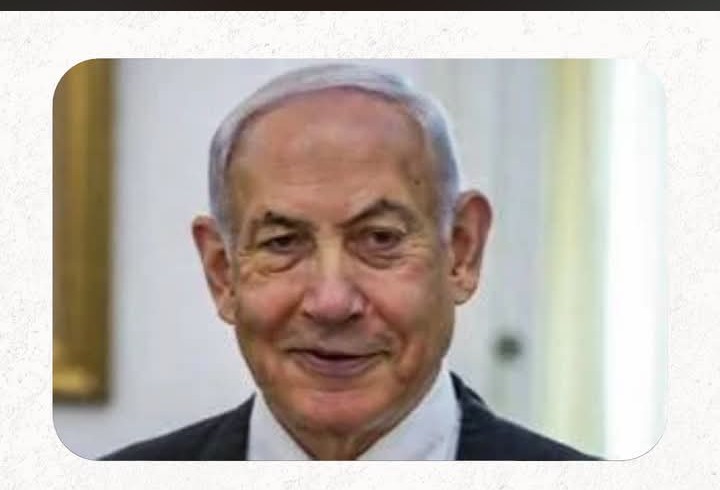
Israeli Prime Minister Benjamin Netanyahu and his major challenger, former military chief Gadi Eisenkot, have failed to secure an outright majority in Israel’s latest parliamentary election, according to exit polls.
The election, the first since the October 7 attacks, is projected to produce a divided parliament, with neither of the leading political blocs securing the 61 seats required to form a majority government.
According to projections by Israel’s Channel 12 News, Netanyahu’s bloc is expected to win 50 seats in the 120-member Knesset, marking a significant decline from the 68 seats held by the bloc in the previous parliament.
Eisenkot’s bloc is projected to secure 52 seats, while Arab political parties are expected to win a record 18 seats.
The projections indicate that neither of the two leading political camps has sufficient seats to govern independently, raising the prospect of prolonged negotiations to form a coalition government.
Under Israel’s parliamentary system, a party or coalition must secure at least 61 of the 120 seats in the Knesset to command a majority.
Despite the uncertainty surrounding the outcome, the election recorded the highest voter turnout since at least 1999, according to the exit polls.
Election officials are expected to begin counting the votes, with the final results anticipated within 48 hours.
However, the formation of a new government could take considerably longer, as political parties may need several days or weeks to negotiate alliances and reach agreements on a governing coalition.
The final composition of the Knesset and the ability of the competing political blocs to attract support from smaller parties are expected to play a decisive role in determining Israel’s next government.
Source: Sahara Reporters