





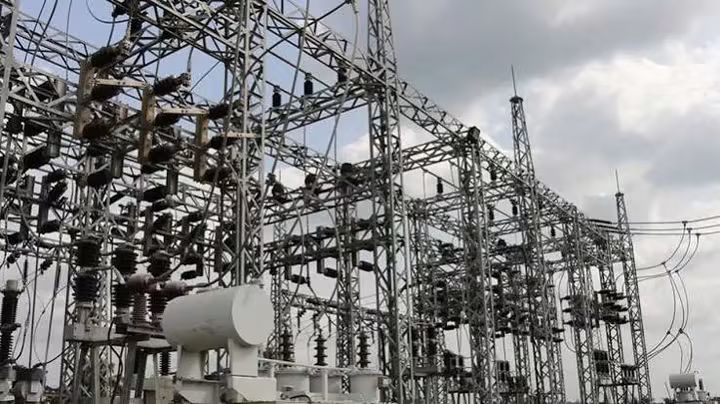
Power sector advocacy organisation PowerUp Nigeria has urged the Federal Government to immediately overhaul the country’s national electricity grid, warning that recurring blackouts are hurting economic growth, driving manufacturers away from the public power network, and weakening Nigeria’s industrial competitiveness.
In a statement released on Wednesday, the Executive Director of PowerUp Nigeria, Adetayo Adegbemle, described the nation’s electricity crisis as a major economic threat, blaming repeated grid collapses and deteriorating infrastructure for the country’s unreliable power supply.
Adegbemle argued that Nigeria’s electricity challenges go beyond insufficient power generation, noting that the national grid has suffered at least 222 collapses between 2010 and 2022, with several additional failures recorded in 2024 and 2025.
He said the continued neglect of the transmission network by successive administrations had turned the grid into a weak link in the country’s economic development, rather than treating it as a strategic national asset.
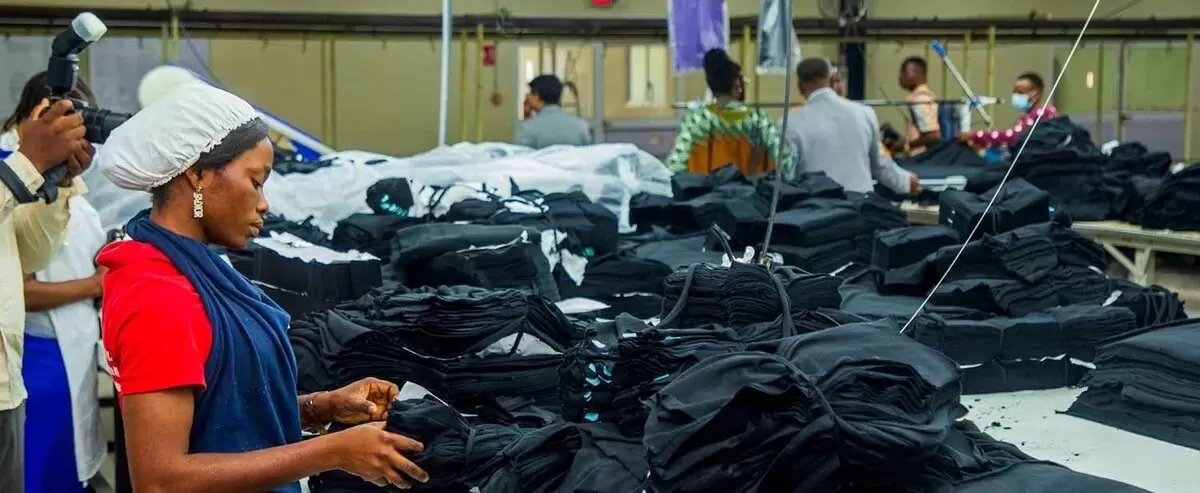
According to him, unreliable electricity has forced many manufacturers to abandon the national grid in favour of generating their own power, significantly increasing production costs.
He revealed that more than 60 per cent of manufacturing companies now rely on captive power generation, spending an estimated ₦45 trillion annually on diesel, petrol and gas-powered electricity. Adegbemle argued that such funds could have been invested in strengthening the national transmission network if the grid had been more reliable.
He warned that the migration of industries from the public electricity network is weakening the financial sustainability of the power sector and reducing the competitiveness of Nigerian businesses.
While acknowledging reforms introduced through the Electricity Act 2023, Adegbemle maintained that they have yet to deliver a stable and dependable national grid.
He also questioned the effectiveness of the proposed Grid Asset Management Company, saying that creating another agency would not address deeper issues affecting the sector, including weak power purchase agreements, inadequate gas supply, and persistent liquidity challenges across the electricity value chain.
Adegbemle further cautioned against aggressively pursuing renewable energy targets without first modernising the country’s transmission infrastructure.
Drawing comparisons with South Africa and Egypt, he said both countries have demonstrated that reliable electricity supply is achievable through consistent reforms, transparency, and effective governance rather than resource availability alone.
He called on the Federal Government to introduce incentives that would encourage industries to reconnect to the national grid, increase investment in transmission infrastructure, and ensure the operational independence of the Nigerian Independent System Operator.
According to him, attractive tariff structures, guaranteed power offtake arrangements, and improved transmission capacity are essential to restoring confidence in the grid and reducing dependence on self-generated electricity.
Adegbemle concluded that Nigeria’s electricity sector is not lacking in installed capacity or policy reforms but has continued to struggle with poor implementation and weak accountability.
He stressed that the country’s biggest challenge is the political commitment needed to consistently implement reforms capable of delivering reliable electricity to households and businesses.