






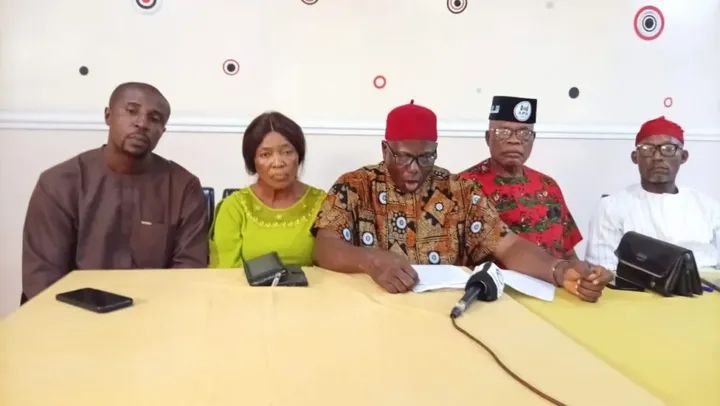

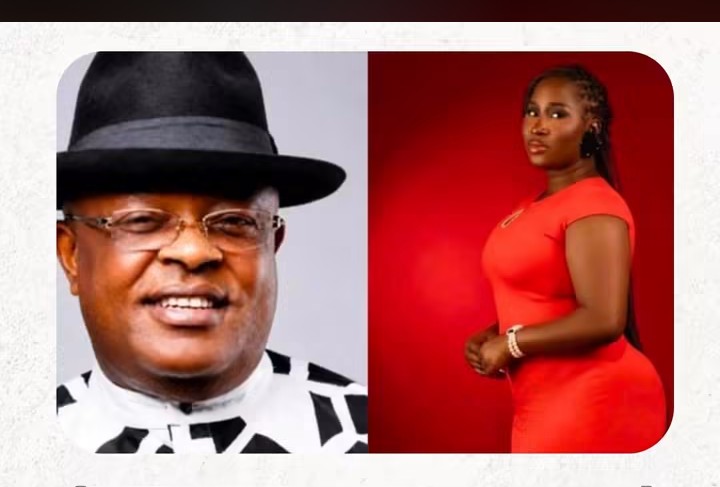
Human rights activist Agena R. Ande has called for a comprehensive criminal investigation into the death of physiotherapist Mary Habila, who was found dead at the residence of Nigeria’s Minister of Works, David Umahi.
In a statement issued on Saturday titled “A Press Conference of Excuses Is an Insult to the Dead – Justice Must Not Be Buried With the Body,” Ande argued that the explanations provided so far by the minister cannot replace a lawful and transparent investigation.
He insisted that authorities should conduct an independent autopsy, a coroner’s inquest, and other forensic examinations before Habila’s burial, saying the circumstances surrounding her death warrant a thorough criminal probe.
According to the activist, the handling of the case has raised concerns about whether politically exposed persons receive preferential treatment under the law. He argued that if the roles had been reversed and a senior public official had been found dead in another person’s home, law enforcement agencies would likely have acted more swiftly.
Ande maintained that every suspicious death deserves the same level of scrutiny regardless of the status of those involved. He described any delay in conducting forensic investigations as undermining public confidence in the justice system.
Citing Sections 33 and 34 of the 1999 Constitution, he said Nigerian authorities have a constitutional obligation to investigate suspicious deaths. He also referenced international human rights instruments, including the Universal Declaration of Human Rights, the African Charter on Human and Peoples’ Rights, and United Nations principles on investigating potentially unlawful deaths.
The activist called for a homicide investigation by the Nigeria Police Force under independent oversight from the National Human Rights Commission. He also demanded an independent autopsy involving both government and private pathologists, preservation of forensic evidence, retrieval of CCTV footage and phone records, DNA and toxicology analysis, formal questioning of everyone present at the residence during the incident, and the opening of a coroner’s inquest.
He warned against any attempt to bury Habila before the completion of essential forensic procedures, alleging that such action could compromise the investigation.
Ande further urged international bodies, including the United Nations Human Rights Council, Amnesty International, Human Rights Watch, the ECOWAS Court of Justice, the African Commission on Human and Peoples’ Rights, and UN Women, to closely monitor the handling of the case.
He concluded by calling on the Nigeria Police Force, the judiciary, and the Federal Government to ensure due process is followed, insisting that public statements alone cannot answer the forensic and legal questions surrounding Habila’s death.