

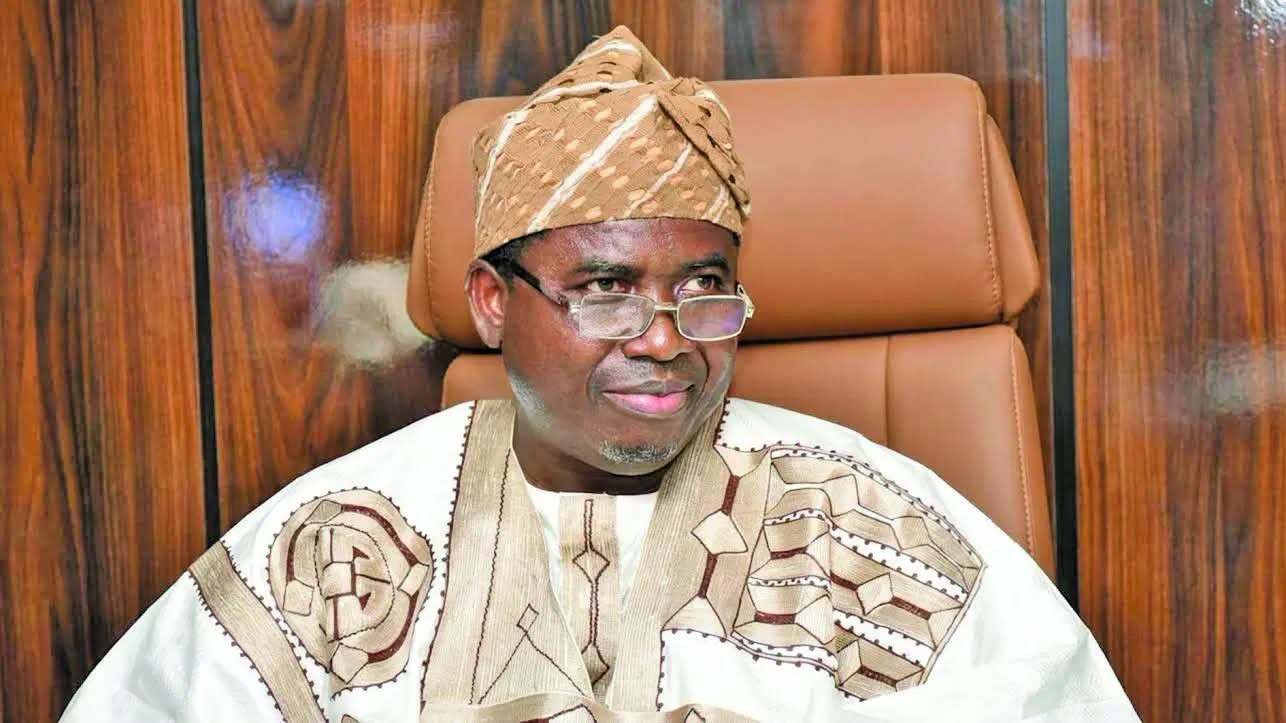

President Bola Tinubu on Monday declined to meet a special delegation sent by South African President Cyril Ramaphosa over the recent wave of xenophobic attacks against Nigerians in South Africa, directing the team to hold talks instead with the Minister of State for Foreign Affairs, Ambassador Sola Enikanolaiye.
According to Presidency sources, the South African delegation, led by the country’s Minister of International Relations and Cooperation, Ronald Lamola, arrived in Abuja on July 24 and sought an audience with Tinubu. While the President initially asked the delegation to return on Monday after arriving without prior notice, he later instructed them to engage with the Foreign Affairs Ministry instead.
Officials familiar with the matter said the President was not scheduled to meet the delegation and preferred to receive a briefing from Enikanolaiye after the discussions.
The diplomatic move comes as tensions between Nigeria and South Africa continue to rise following renewed attacks on Nigerians and other African migrants, which have forced the evacuation of hundreds of Nigerians from South Africa.
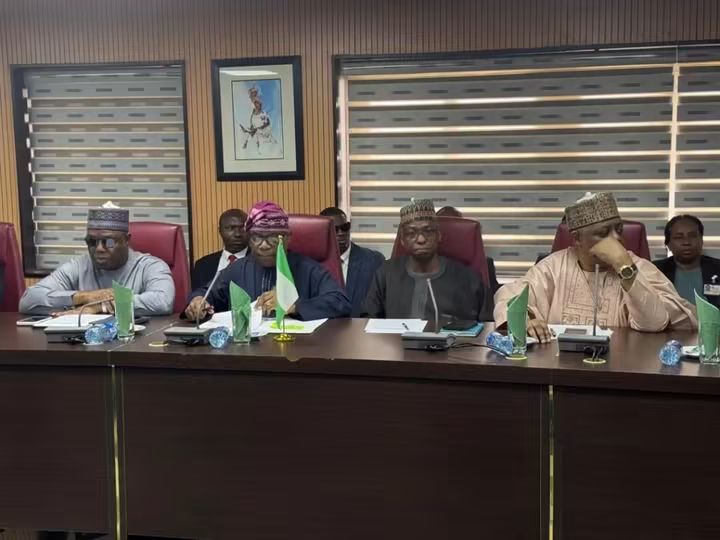
During the meeting in Abuja, Enikanolaiye said Tinubu directed him to discuss practical ways to address the crisis and preserve the longstanding relationship between both countries.
He described the attacks as part of a recurring pattern dating back to the mid-1990s, noting that Nigerians have repeatedly been victims of Afrophobic violence. According to him, at least 98 Nigerians have reportedly died in mob-related attacks since 2022.
The minister recalled Nigeria’s support for South Africa during the anti-apartheid struggle and said the continued violence against African migrants undermines the strong ties between the two nations.
While stressing that Nigeria does not defend criminal activities, Enikanolaiye said anyone accused of crimes should face lawful prosecution rather than mob justice. He also expressed concern over reports suggesting that security agencies sometimes failed to intervene during attacks, raising questions about state responsibility.
He described the humanitarian consequences as devastating, recalling previous evacuations of Nigerians who returned home after losing their homes, businesses and belongings.
Responding on behalf of the South African government, Lamola said President Ramaphosa sent him to deliver a message reaffirming South Africa’s opposition to xenophobia, racism and other forms of discrimination.
He, however, maintained that South Africa would continue enforcing its immigration laws and tackling criminal activities involving undocumented migrants, while emphasizing that migration remains a shared African challenge requiring cooperation between countries.
Lamola expressed optimism that continued diplomatic engagement between Abuja and Pretoria would help ease tensions and strengthen bilateral relations.
Relations between Nigeria and South Africa have deteriorated in recent months following widespread xenophobic violence that erupted in several South African provinces. The crisis prompted the Nigerian government to organize evacuation flights for affected citizens, while lawmakers have also proposed diplomatic and economic measures against South African interests in Nigeria.
The South African delegation’s visit is seen as part of efforts by President Ramaphosa to ease tensions ahead of the African Union Extraordinary Summit on conflict prevention and resolution scheduled to hold in Angola later in August 2026.