



1. 🚨 Sokoto Boat Disaster: Dozens Dead, Many of Them Children
A major tragedy has struck Goronyo Local Government Area of Sokoto State, where an overloaded boat capsized while carrying residents travelling to their farms.
The accident occurred around the Gorau community on Thursday. Reports from authorities and residents differ slightly on the final death toll: the National Inland Waterways Authority put the confirmed figure at 47, while Reuters reported that witnesses had counted at least 50 deaths, with one local source later giving a figure of 53. Rescue and recovery operations were still ongoing.
The boat was reportedly carrying more than 70 passengers, including women and children. Some reports said a significant proportion of the victims were children between approximately 10 and 15 years old.
According to reports, 16 people were rescued, while bodies were recovered from the water and taken to the community for burial. The tragedy has left several families mourning, with residents describing the incident as one of the worst boat disasters in the area.
The incident has once again raised questions about safety on Nigeria’s inland waterways, particularly during the rainy season. Overcrowding, inadequate safety enforcement and the absence or inadequate use of life jackets have frequently been identified as contributing factors in boat accidents.
2. 😢 100 Days in Captivity: Borno Parents Protest, Demand Rescue of Abducted Children
Parents and relatives of children abducted in Borno State have taken to the streets to demand urgent government action, nearly 100 days after their children were kidnapped.
The children were abducted on May 15 from classrooms in Mussa, a community close to the Sambisa Forest, an area long associated with Boko Haram and other insurgent groups.
Families gathered in Uba town on Thursday, carrying placards and calling on the Federal Government and security agencies to intensify efforts to secure the children’s freedom.
According to Reuters, approximately 45 children are still unaccounted for. The prolonged captivity has generated increasing anxiety among parents, relatives and residents.
The situation has also highlighted the continuing security challenges facing schools and communities in northeastern Nigeria. Another abduction occurred on June 29 in nearby Lassa, where 36 students and a teacher reportedly remain in captivity.
The families say they want concrete action and information about the condition and whereabouts of their loved ones.
3. 🗳️ 2027: Tinubu, Atiku and Obi Face Intensifying Political Battle
Nigeria’s political landscape is rapidly heating up as preparations for the 2027 presidential election gather momentum.
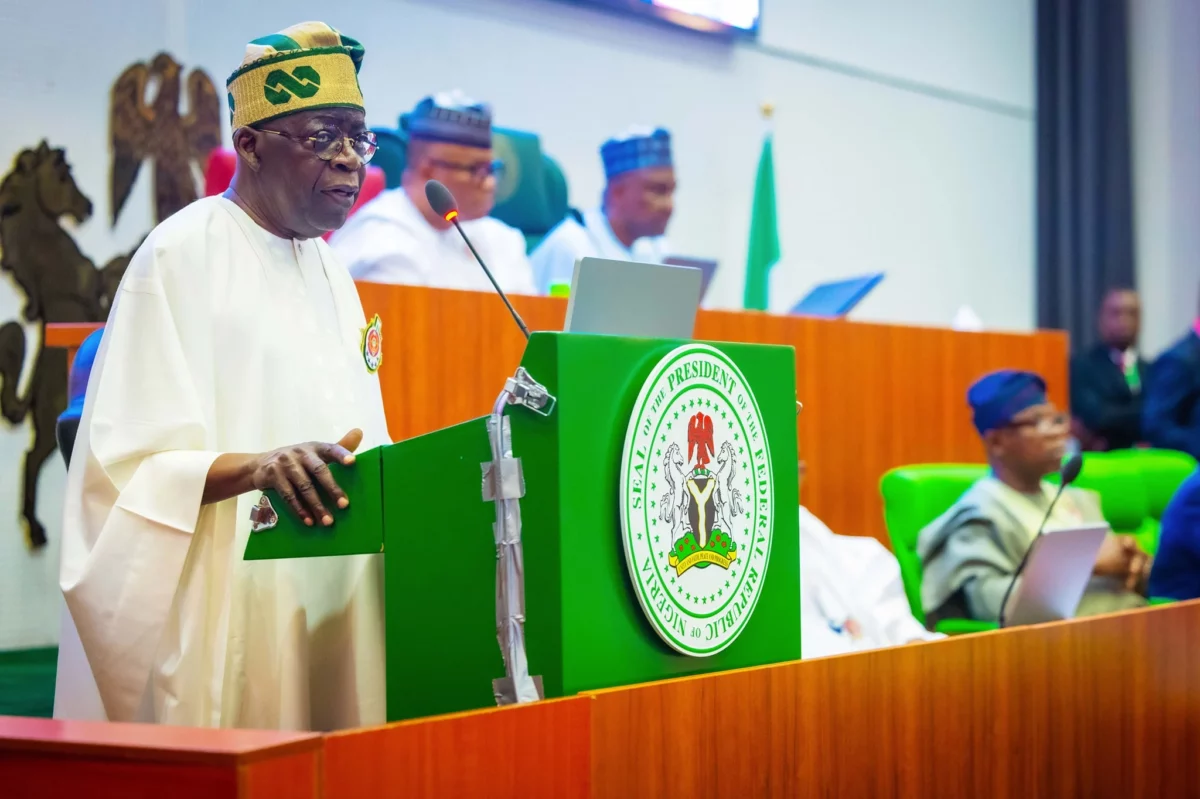
President Bola Tinubu is seeking a second term under the All Progressives Congress, while opposition figures including Atiku Abubakar and Peter Obi are seeking to challenge the ruling party.
Reuters reports that the APC’s long period in power is increasingly being tested by concerns over economic hardship, insecurity and the impact of the government’s reforms.
Tinubu’s administration has defended its economic policies, particularly the removal of the petrol subsidy and currency reforms, arguing that they were necessary to stabilise government finances and attract investment.
However, the reforms have also contributed to significant increases in living costs, leaving many Nigerians struggling with reduced purchasing power.
The opposition is seeking to turn public dissatisfaction into electoral support, but one of its major challenges remains unity.
The 2027 election is therefore shaping up as a contest not only between political personalities but also over competing visions for Nigeria’s economy, security and governance.
4. ⛽ Atiku’s Petrol Subsidy Proposal Sparks Fresh Debate
Former Vice-President and African Democratic Congress presidential candidate Atiku Abubakar’s proposal to restore petrol subsidy has triggered a fresh political and economic debate.
The proposal has been opposed by the Presidency and sections of the organised private sector, while labour voices have expressed differing positions.
Atiku’s argument centres on the impact of current petrol prices and the broader cost-of-living crisis confronting Nigerians.
The Tinubu administration, however, maintains that restoring the subsidy would undermine the fiscal gains achieved since its removal in 2023.
The controversy is likely to become one of the major economic issues of the 2027 presidential campaign, particularly because petrol prices affect transportation, food distribution, manufacturing and household expenses.
5. 💰 States Receive N435bn for Security and Infrastructure
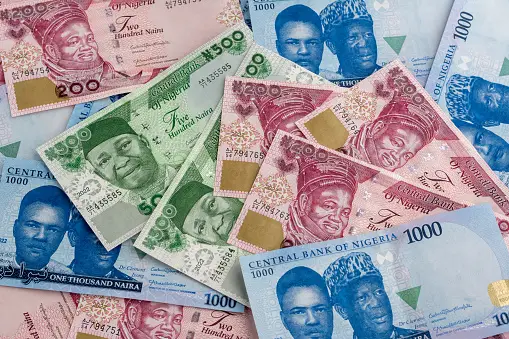
State governments reportedly received at least ₦435 billion through a special Federation Account Allocation Committee intervention for infrastructure and security between January and June 2026.
The figure was drawn from half-year budget implementation reports from 29 states.
The funding comes at a time when state governments are under increasing pressure to address insecurity, damaged infrastructure and other developmental challenges.
The intervention has also generated questions about how effectively states are using increased federal allocations to address security and infrastructure problems.
With insecurity remaining a major national concern, pressure is likely to grow on governors to demonstrate measurable results from the additional resources.
6. 🚘 Nigeria’s Auto Industry Has Capacity to Produce 600,000 Vehicles
Nigeria’s automotive industry has an installed capacity of more than 600,000 vehicles annually, according to the National Automotive Design and Development Council.
However, actual production remains far below that capacity because of financing difficulties, limited local content and other structural challenges.
The development highlights the gap between Nigeria’s industrial potential and actual production.